Milk
Also called whole milk, skim milk
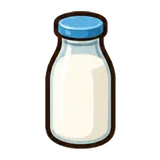
Milk is a creamy staple loaded with lactose and casein, giving body and carrying flavors in cooking.
Milk is the quiet workhorse of the kitchen: a mix of water, fat, lactose sugar and casein proteins that gives body to sauces, softness to doughs and a gentle sweetness to almost everything it touches. On its own it tastes fresh, creamy and lightly sweet, with no sharp edges at all.
Cooks love it because it carries flavour so well. Fat in milk dissolves aroma compounds from vanilla, cardamom, saffron and nutmeg, then spreads them across your tongue. Heat it gently and it turns into custards, white sauces and puddings; treat it roughly and it curdles, which is exactly why a little science goes a long way.
Flavor profile
Aroma: creamy, fresh
Good to know
Origin: Multiple regions worldwide
Forms: fresh, pasteurized, UHT
Season: Available year-round; some cooks find spring and summer milk from grass-fed herds tastes a little richer.
Nutrition: Provides protein and calcium; contains lactose and is a dairy allergen.
Storage: Keep milk in the main body of the fridge at 4°C (39°F) or below, not in the door where the temperature swings. Unopened pasteurised milk lasts until its date; once opened, use it within about 5–7 days. Sour smell, lumps or a thick texture mean it has gone off. You can freeze milk for up to 3 months, but the fat separates, so thaw it in the fridge, shake well and use it for cooking rather than drinking. UHT milk keeps unopened in the pantry for months but needs the fridge once opened.
How to use milk
Prevent Curdling
Heat milk slowly to stabilize its casein proteins, avoiding curdles from heat or acidity.
Create Creamy Sauces
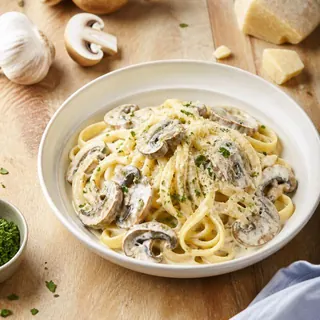
Thicken milk-based sauces with a roux or reduce them through evaporation for smoothness.
The science of milk
- Casein proteins float in milk as tiny clusters called micelles. Acid or long boiling makes them clump together, which is why lemon juice or a hard boil can split milk into curds and whey.
- Lactose is a sugar that browns in the Maillard reaction, so milk-glazed breads and milk-based doughs colour faster and more deeply than water-based ones.
- When you heat milk, whey proteins unfold at the surface and trap fat, forming that skin on hot milk. Stirring or covering the pan stops it forming.
- Milk fat dissolves fat-soluble aroma molecules, such as those in vanilla and saffron, which is why spices infused into milk taste rounder than spices steeped in water.
- In a béchamel, flour's starch granules swell and gelatinise in hot milk at around 80–90°C (176–194°F), thickening the sauce smoothly if you whisk as it heats.
How to choose milk
Pick whole milk for sauces, custards and puddings, since the fat gives a richer texture and resists curdling better than skim. Check the date and choose the carton from the back of the fridge, which is usually the coldest. Opaque containers protect milk from light, which can give it a stale, cardboard-like taste.

Substitutes for milk
| Swap | Amount | What changes |
|---|---|---|
| Unsweetened oat milk | 1:1 | Creamy and neutral, works well in baking and white sauces. |
| Half water, half cream | 1:1 (mixed) | Rebuilds milk's fat level closely for custards and sauces. |
| Evaporated milk + water | 1 part evaporated to 1 part water | Slightly caramel taste; handy from the pantry. |
| Unsweetened soy milk | 1:1 | Higher protein, so it behaves well in baking; can curdle with acid like dairy milk. |
What goes with milk
- Vanilla. Vanilla deepens milk's creamy profile into a comforting, classic taste.
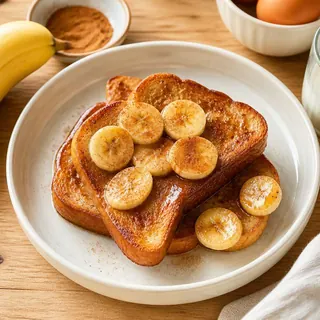
- Egg. Milk loosens egg into a soft custard or scramble.
- Cocoa. Milk's fat and sugars soften cocoa's bitterness.
- Coffee. Milk's fat and sugar soften coffee's bitterness.
- Rice. Rice swells in milk to make creamy puddings.
- Cardamom. Milk's fat carries cardamom's essential oils, enriching its taste.
- Saffron. Saffron's aroma is enriched by milk's fat content.
- Cinnamon. Cinnamon adds spice and warmth to milk's mild, creamy character.
- Honey. Honey provides a natural sweetness that lifts milk's creamy texture.
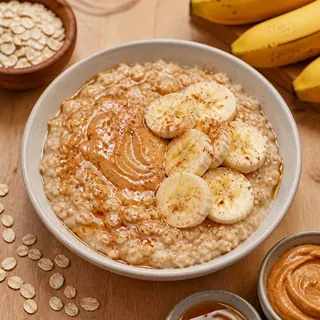
- Oats. Milk softens oats, creating a creamy texture and mellow taste.
Mistakes to avoid
- Boiling denatures casein, causing curdling and a bad taste.
- Light exposure degrades riboflavin and its flavor.
Ideas for tonight
- Use in béchamel sauce for lasagna.
- Whisk into mashed potatoes for creaminess.
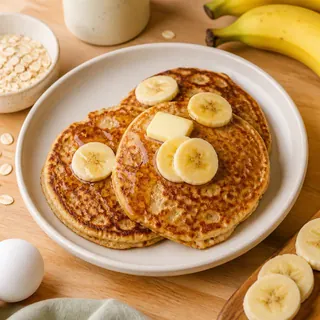
- Add to pancake batter.
Milk: questions
Why does milk curdle when cooking?
Acid, salt or high heat makes the casein proteins clump together. Heat milk gently, avoid a rolling boil and add acidic ingredients slowly, off the heat, to keep it smooth.
Can you freeze milk?
Yes, for up to about 3 months. Leave space in the container for expansion, thaw it in the fridge and shake it well, since the fat separates. Thawed milk is best for cooking and baking.
What can I use instead of milk in baking?
Oat, soy or almond milk swap in 1:1 in most recipes. Water works in a pinch but gives a less tender, paler result because you lose the fat and lactose.
Does whole or skim milk matter in recipes?
For drinking, not much. For sauces, custards and puddings, whole milk gives a creamier texture and is less likely to curdle, so it is the safer choice.
How do you stop milk from boiling over?
Heat it over medium-low heat and watch it closely. Proteins form a foam that traps steam, so once bubbles appear at the edge, turn the heat down or take the pan off.
What is scalded milk?
Milk heated to just below boiling, about 82°C (180°F), until steam rises and small bubbles form at the edge. Old recipes used it to kill bacteria; today it mostly helps infuse flavours and dissolve sugar.
What does milk taste like?
Milk is a creamy staple loaded with lactose and casein, giving body and carrying flavors in cooking., with an aroma that is creamy, fresh.
What goes well with milk?
Milk pairs best with vanilla, egg, cocoa, coffee, rice. Vanilla deepens milk's creamy profile into a comforting, classic taste.
How do you use milk in cooking?
Prevent Curdling: heat milk slowly to stabilize its casein proteins, avoiding curdles from heat or acidity.
How should you store milk?
Refrigerate milk and consume by the sell-by date for freshness.
What is the most common mistake with milk?
Boiling denatures casein, causing curdling and a bad taste.
 Cream
 Butter
 Yogurt
 Egg
 Vanilla
 Flour
 Rice
 Nutmeg