
Cardamom
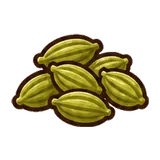
Cardamom has sweet, pungent, floral aromas used widely.
Cardamom comes from the seed pods of a ginger-family plant grown in India, Sri Lanka and Guatemala. Green cardamom, the most common kind, tastes sweet, floral and citrusy, with a cool, almost eucalyptus-like lift and a warm, resinous finish.
Cooks love it because a little goes a long way. It perfumes masala chai and Scandinavian cardamom buns, scents biryani and kheer, and pairs beautifully with coffee, pistachio, orange and saffron.
Flavor profile
Aroma: sweet, floral, citrus
Good to know
Origin: India
Forms: whole pods, seeds, ground
Season: Available year-round as a dried spice; it shines in winter baking, warm drinks and festive rice dishes.
Nutrition: Used in small amounts, so it adds flavour more than nutrition.
Storage: Store pods in an airtight jar in a cool, dark cupboard, where they stay fragrant for 1–2 years. Ground cardamom fades fast, often within a few months, so grind seeds as you need them. To check, crack a pod and sniff the black seeds inside: they should smell bright and sweet. If they are grey and odourless, replace them. Freezing is unnecessary.
How to use cardamom
Bruising for Infusion
Bruising releases cineole and limonene oils for flavorful infusions.
Use in Desserts
Ground cardamom adds cineole and limonene for a layered, sweet fragrance.
The science of cardamom
- Cardamom's cool, fresh note comes from 1,8-cineole, the same compound found in eucalyptus and bay. Too much of it tips the flavour towards medicinal, which is why recipes call for just a few pods.
- Alpha-terpinyl acetate gives the sweet, floral, slightly fruity character that makes cardamom so good in desserts, while limonene and linalool add citrus and floral highlights.
- The aromatic oils sit inside the seeds, protected by the papery pod. Bruising the pods or crushing the seeds breaks the cells open and lets the oils escape into liquid or fat.
- These compounds are highly volatile, so ground cardamom loses most of its aroma within weeks to months. Whole pods hold their fragrance for much longer.
How to choose cardamom
Choose plump, bright green pods that feel firm and smell sweet and floral when squeezed. Pale or yellowed pods are older or bleached, and split pods lose aroma faster. Black cardamom is a different spice: larger, dark brown and dried over fire, with a smoky, camphor-like taste for savoury dishes.

Substitutes for cardamom
| Swap | Amount | What changes |
|---|---|---|
| Cinnamon + nutmeg | half cinnamon, half nutmeg, 1:1 overall | Gives warmth and sweetness, though not the floral citrus note. |
| Ginger | use half as much | A botanical cousin with a similar warm, zesty bite. |
| Allspice | use half as much | Warm and sweet; best in bakes rather than chai. |
| Orange zest + a pinch of cinnamon | 1 tsp zest per 1 tsp cardamom | Brings back the citrus brightness in cakes and drinks. |
What goes with cardamom
- Pistachio. Cardamom's floral, eucalyptus notes meet pistachio's sweet, buttery flavor in many sweets.
- Milk. Milk's fat carries cardamom's essential oils, enriching its taste.
- Orange. Orange's acidity highlights the floral quality of cardamom.
- Rice. Cardamom’s aroma infuses rice, lifting its neutral flavor.
- Coffee. Cardamom’s floral spice layers onto coffee's roasted profile.
- Almond. Cardamom's floral, eucalyptus lift brightens almond's sweet, rounded flavor.
- Ginger. Cardamom's cool floral notes complement ginger's hot, sharp bite.
- Saffron. Both bring floral, honeyed aromas, as in Persian and Indian sweet rice.
- Vanilla. Cardamom's floral lift brightens vanilla's creamy sweetness.
- Yogurt. Cool, tangy yogurt calms cardamom's strong aroma in drinks and desserts.
Mistakes to avoid
- Too much cardamom makes it taste medicinal.
- Uncrushed pods block cineole oil release.
Ideas for tonight
- Fragrant basmati rice with cardamom pods.
- Cream infused for cardamom-flavored whip.
- Spike curries with a twist.
Cardamom: questions
What does cardamom taste like?
Green cardamom tastes sweet, floral and citrusy, with a cool, minty-eucalyptus lift and a warm finish. Black cardamom is smoky and camphor-like instead.
What is the difference between green and black cardamom?
They come from related plants. Green cardamom is delicate and floral, used in sweet and savoury dishes. Black cardamom is bigger, dried over flames and smoky, best in curries, dal and braises.
How do I use cardamom pods?
Bruise them with the flat of a knife so they split slightly, then simmer them in milk, rice or curry. Remove them before serving, or warn your guests.
How many pods equal a teaspoon of ground cardamom?
Roughly 10–12 green pods give about 1 teaspoon of ground seeds. Crack the pods, tip out the seeds and grind them.
Why does my dish taste soapy or medicinal?
Too much cardamom. Its cineole turns medicinal in large amounts, so start with 2–3 pods and add more only if needed.
Can I eat the cardamom pod?
It is safe but fibrous and unpleasant to chew. Most cooks fish out whole pods or use only the seeds.
What goes well with cardamom?
Cardamom pairs best with pistachio, milk, orange, rice, coffee. Cardamom's floral, eucalyptus notes meet pistachio's sweet, buttery flavor in many sweets.
How do you use cardamom in cooking?
Bruising for Infusion: bruising releases cineole and limonene oils for flavorful infusions.
How should you store cardamom?
Keep in a cool, dry place in an airtight container to preserve freshness.
What is the most common mistake with cardamom?
Too much cardamom makes it taste medicinal.
 Pistachio
 Saffron
 Coffee
 Orange
 Milk
 Rice
 Cinnamon
 Ginger
