
Vanilla
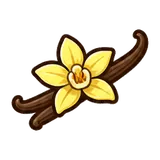
Vanilla comes from orchids and adds sweet, floral notes to desserts.
Vanilla comes from the long, slender seed pods of a tropical orchid. The green pods taste of nothing at first; months of careful curing turn them dark, oily and wonderfully fragrant. The flavour is sweet, warm and floral, with creamy, woody and slightly smoky depths.
Bakers treat it as the quiet hero of desserts. It rounds out milk, cream, chocolate and fruit, makes sweet things taste sweeter and fuller, and gives custards and ice cream their classic comfort. Real vanilla is pricey, so using it well matters.
Flavor profile
Aroma: sweet, floral
Good to know
Origin: Mesoamerica
Forms: extract, bean, powder
Season: Available year-round; vanilla pods are harvested in tropical winter and then cured for several months.
Nutrition: Used in tiny amounts, so it adds aroma rather than nutrition; extract contains alcohol, most of which bakes off.
Storage: Pure vanilla extract keeps almost indefinitely in a cool, dark cupboard with the cap tight, thanks to its alcohol. Do not refrigerate it. Store whole beans wrapped tightly in cling film inside an airtight jar at room temperature; they stay supple for 6–12 months, and the fridge can dry them out or cause mould. Dried-out beans can be revived by soaking in warm milk or tucked into a jar of sugar to make vanilla sugar. Paste keeps for about a year once opened.
How to use vanilla
The Baker's Trick
Mix vanilla into batters; heat boosts its aroma, making flavors richer.
Custard's Best Friend
Simmer vanilla in custards; the seeds release their aroma, adding sweetness and depth.
The science of vanilla
- The main aroma compound is vanillin, but real vanilla contains hundreds of others that add floral, fruity, woody and creamy notes. Imitation vanilla is mostly vanillin alone, which is why it tastes simpler.
- Fresh pods hold vanillin bound to a sugar as glucovanillin, which has no smell. Curing (repeated sweating in the sun and slow drying) lets enzymes split off the sugar and free the vanillin, while browning reactions build darker, deeper notes.
- Vanillin and its partner aromas dissolve far better in fat and alcohol than in water. That is why extract is made with alcohol, and why vanilla shines so brightly in cream, butter, egg yolks and chocolate.
- Many of vanilla's lighter aroma compounds are volatile and evaporate with long, hot cooking. For sauces and custards, stir extract in off the heat; in baked goods, the batter protects most of it.
- Vanilla reads as sweet to the brain even though it adds no sugar. This aroma-taste link means a little vanilla can make desserts taste sweeter and rounder without more sugar.
How to choose vanilla
For extract, choose bottles labelled pure vanilla extract; imitation is fine for big batches of cookies but flatter in custards. Good vanilla beans are plump, glossy, flexible and very fragrant, not dry and brittle. Vanilla bean paste is a handy middle ground, giving visible seeds with the ease of a spoon.

Substitutes for vanilla
| Swap | Amount | What changes |
|---|---|---|
| Vanilla bean paste (for extract) | 1:1 | Gives the same flavour plus pretty seeds. |
| Vanilla bean (for extract) | seeds of 1 bean per 1 tbsp extract | Most intense and fragrant; best for custards, ice cream and panna cotta. |
| Maple syrup | 1:1 | Adds a caramel-vanilla warmth; slightly reduce other sugar and liquid. |
| Bourbon or dark rum | 1:1 | Barrel-aged spirits carry natural vanilla-like notes from the oak; good in baking. |
What goes with vanilla
- Milk. Vanilla deepens milk's creamy profile into a comforting, classic taste.
- Cream. Vanilla's aromatic compounds dissolve in cream's fat, boosting its sweet aroma.
- Cocoa. Vanillin smooths cocoa's bitterness, adding complexity.
- Banana. Vanilla's creamy sweetness rounds banana's fruity esters.
- Cinnamon. Cinnamon and vanilla both read as warm and sweet, and together make a rounded dessert base.
- Orange. Vanilla's sweet perfume rounds out orange's citrus oils.
- Peach. Vanilla's sweet perfume enhances peach's floral aroma.
- Coffee. Vanillin provides aromatic sweetness, rounding coffee’s edge.
- Almond. Vanillin in vanilla and benzaldehyde in almonds create a sweet, nutty aroma.
- Cardamom. Cardamom's floral lift brightens vanilla's creamy sweetness.
Mistakes to avoid
- Add too early and it loses potency.
- Artificial vanilla can alter flavor in refined recipes.
Ideas for tonight
- Blend into ice cream bases.
- Infuse a panna cotta's milk base.
- Steep into custard for pies.
Vanilla: questions
What is the difference between pure and imitation vanilla?
Pure vanilla extract is made by soaking real vanilla beans in alcohol, so it carries hundreds of aroma compounds. Imitation vanilla is mostly synthetic vanillin. In heavily baked cookies the difference is small, but in custards and ice cream real vanilla tastes noticeably richer.
How do I use a vanilla bean?
Split the pod lengthways with a sharp knife and scrape out the tiny black seeds with the back of the blade. Add the seeds to your recipe, and drop the empty pod into warm milk or cream to infuse, then remove it before serving.
Does vanilla extract go bad?
Pure vanilla extract does not really spoil because it is mostly alcohol. Over many years its aroma can soften, but it remains safe; just keep it tightly capped and out of the light.
When should I add vanilla to a recipe?
For baked goods, add it with the wet ingredients. For custards, sauces and caramel, stir extract in after taking the pan off the heat so the delicate aromas do not cook away.
How much vanilla bean equals 1 teaspoon of extract?
About one third of a bean's seeds equals 1 teaspoon of extract. One whole bean is roughly 1 tablespoon of extract or vanilla paste.
Can you use vanilla in savoury cooking?
Yes, in small amounts. A touch of vanilla works with butter sauces for scallops or lobster, roasted squash or carrots, and duck with fruit. Keep it away from strong flavours like garlic, onion and fish sauce, which drown it out.
What does vanilla taste like?
Vanilla comes from orchids and adds sweet, floral notes to desserts. Its strongest notes are sweet, warm, floral, with an aroma that is sweet, floral.
What goes well with vanilla?
Vanilla pairs best with milk, cream, cocoa, banana, cinnamon. Vanilla deepens milk's creamy profile into a comforting, classic taste.
How do you use vanilla in cooking?
The Baker's Trick: mix vanilla into batters; heat boosts its aroma, making flavors richer.
How should you store vanilla?
Store in a cool, dark place; keep extract sealed tightly.
What is the most common mistake with vanilla?
Add too early and it loses potency.
 Milk
 Cream
 Cocoa
 Cinnamon
 Banana
 Peach
 Maple Syrup
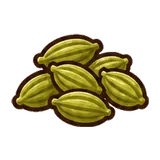 Cardamom
