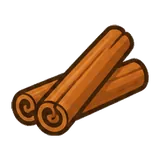
Cinnamon
Also called cassia, canela
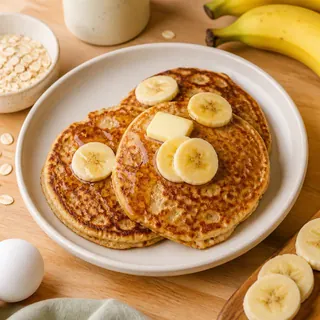
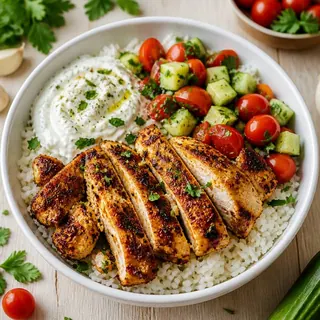
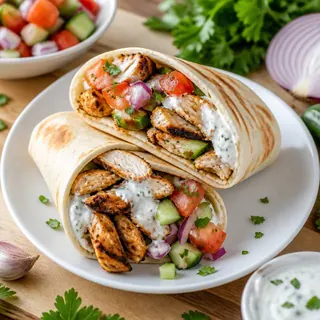
Cinnamon adds sweetness to desserts and depth to savory stews, tagines, and rice dishes.
Cinnamon is the dried inner bark of trees in the Cinnamomum family, rolled into quills or ground into powder. It smells sweet, woody and warm, and although it has no sugar of its own, it makes food taste sweeter and richer.
Cooks love it because it swings both ways. It is the soul of apple pie, cinnamon buns and rice pudding, but it also adds quiet depth to Moroccan tagines, Greek stifado, Persian rice and Mexican mole.
Flavor profile
Aroma: sweet, woody, warm
Good to know
Origin: Sri Lanka, Southeast Asia
Forms: stick, ground
Season: Available year-round; it feels most at home in autumn and winter baking, mulled drinks and slow braises.
Nutrition: Used in small amounts, so it adds flavour more than nutrition.
Storage: Keep cinnamon in a sealed jar away from light, heat and steam. Sticks stay good for about 2 years, while ground cinnamon starts to fade within a year. If ground cinnamon smells weak or looks dull and greyish, replace it. You can grate an old stick on a Microplane for a quick fresh hit. There is no need to freeze it.
How to use cinnamon
Simmer a stick
Drop a stick into braises or rice, allowing it to infuse slowly, then remove it before serving.
Bloom lightly
A pinch of ground cinnamon in hot oil for 10 seconds adds warmth, avoiding a dessert-like taste.
The science of cinnamon
- Cinnamaldehyde is the main aroma compound, giving cinnamon its hot, sweet scent. It is volatile, so ground cinnamon fades much faster than whole sticks.
- Cassia cinnamon, the common supermarket type, is bolder and spicier and contains far more coumarin than Ceylon cinnamon. Coumarin is fine in normal culinary amounts, but it is one reason to use cassia by the pinch rather than the spoonful.
- Our brains link cinnamon's aroma with sweet baked goods, so it boosts perceived sweetness. That is why a dash can make a dessert taste sweeter without extra sugar.
- Simmering a stick in liquid extracts flavour slowly and keeps extracting, so a stick left in a stew gets stronger over time. Ground cinnamon releases flavour almost instantly but can turn bitter if scorched in very hot oil.
How to choose cinnamon
Ceylon sticks are pale tan, thin and layered like a cigar, with a delicate, floral flavour. Cassia sticks are darker, thicker and hard, with a single curled layer and a punchier taste. Whichever you buy, it should smell strongly sweet as soon as you open it.

Substitutes for cinnamon
| Swap | Amount | What changes |
|---|---|---|
| Allspice | use a quarter as much | Warm and sweet with clove-like notes; much stronger, so start small. |
| Nutmeg | use a quarter as much | Sweet and woody, great in custards and pumpkin, though less spicy. |
| Pumpkin pie spice | 1:1 | Mostly cinnamon already, with ginger, nutmeg and clove. |
| Cardamom | use half as much | Brings a floral, citrusy warmth instead; lovely in buns and rice. |
What goes with cinnamon
- Nutmeg. Nutmeg and cinnamon both provide a warm, comforting aroma.
- Sugar. Cinnamon's warm spice contrasts with sugar's sweetness.
- Apple. Cinnamon amplifies apple's innate sweetness, a timeless comforting duo.
- Honey. Cinnamon's cinnamaldehyde shares aroma compounds with honey's floral notes.
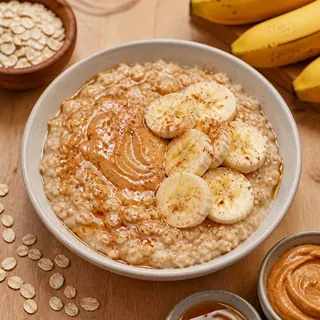
- Oats. Cinnamon provides a warm, spicy contrast to oats' earthiness.
- Pumpkin. Cinnamon's warmth accentuates pumpkin's natural sweetness.
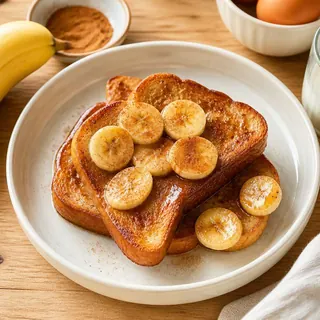
- Banana. Cinnamon's warm spice complements banana's sweet, estery aroma.
- Pear. Cinnamon's sweet spice complements pear's mild, floral sweetness.
- Sweet Potato. Cinnamon's warmth complements sweet potato's earthy sweetness.
- Vanilla. Cinnamon and vanilla both read as warm and sweet, and together make a rounded dessert base.
Mistakes to avoid
- Using too much in savory food, which overwhelms other spices.
- Leaving a stick in the dish, where it keeps getting stronger.
Ideas for tonight
- Add a stick to a pot of rice.
- Pinch into a beef or lamb stew.
- Dust over roasted sweet potato with salt.
Cinnamon: questions
What is the difference between Ceylon and cassia cinnamon?
Ceylon is lighter, sweeter and more floral, with thin papery layers. Cassia is darker, stronger and spicier, and it is what most supermarkets sell as plain cinnamon. Cassia also has more coumarin, so it is best used in normal culinary amounts.
Can you use cinnamon in savoury food?
Yes. A stick in a lamb tagine, beef ragù or pot of rice adds warmth without tasting like dessert. Keep amounts small and pair it with cumin, garlic, tomato or chilli.
How do I swap a cinnamon stick for ground cinnamon?
About half a teaspoon of ground cinnamon equals one 7–8 cm stick. Add ground cinnamon later in the cooking so it does not turn bitter.
Should I remove the cinnamon stick before serving?
Yes. It keeps infusing the longer it sits, and the woody bark is not pleasant to bite. Fish it out when the dish tastes right.
Does cinnamon go off?
It does not spoil in a food-safety sense, but it loses aroma. Ground cinnamon fades within a year and sticks last about two.
Why does my cinnamon taste bitter?
It was probably scorched in hot oil or used too heavily. Bloom ground cinnamon for no more than 10 seconds, or add it with liquid.
What does cinnamon taste like?
Cinnamon adds sweetness to desserts and depth to savory stews, tagines, and rice dishes. Its strongest notes are warm, sweet, with an aroma that is sweet, woody, warm.
What goes well with cinnamon?
Cinnamon pairs best with nutmeg, sugar, apple, honey, oats. Nutmeg and cinnamon both provide a warm, comforting aroma.
How do you use cinnamon in cooking?
Simmer a stick: drop a stick into braises or rice, allowing it to infuse slowly, then remove it before serving.
How should you store cinnamon?
Sticks keep about 2 years in a sealed jar; ground cinnamon fades within a year.
What is the most common mistake with cinnamon?
Using too much in savory food, which overwhelms other spices.
 Nutmeg
 Apple
 Honey
 Star Anise
 Vanilla
 Clove
 Cardamom
 Lamb Shoulder