
Sugar
Also called granulated sugar, sucrose
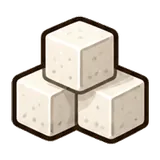
Sugar sweetens and caramelizes, adding complex flavors and colors.
Sugar, or sucrose, is the white crystals refined from sugar cane or sugar beet. It comes as granulated, fine caster, powdered icing sugar and brown sugar, which is simply sugar with molasses left in or added back.
It tastes purely sweet, with no aroma of its own until you heat it, when it transforms into caramel's buttery, toasty, slightly bitter depth. Cooks love it because it does so much more than sweeten: it balances sour and bitter flavours, keeps cakes moist, helps them rise and brown, and becomes caramel, toffee and meringue.
Flavor profile
Aroma: sweet
Good to know
Origin: India
Forms: granulated, brown, powdered
Season: Available year-round; it is a shelf-stable pantry staple.
Nutrition: Pure carbohydrate with nothing else to speak of, so it is about taste and texture rather than nutrition.
Storage: White sugar keeps indefinitely in an airtight container in a dry cupboard; it doesn't spoil, but it does absorb moisture and smells, so keep it sealed and away from spices. Brown sugar dries out and turns rock-hard when exposed to air, so store it tightly sealed. To soften hard brown sugar, put a slice of bread or a damp paper towel in the container overnight, or microwave it briefly under a damp towel. Icing sugar can clump; sift it before using. Discard any sugar that shows insects, mould or damp spots.
How to use sugar
Caramelizing Sugar
Heating sugar creates caramel with a distinct aroma and color.
Creaming with Butter
Sucrose forms air pockets in butter, ensuring light, fluffy texture.
The science of sugar
- Sucrose is a pair of simpler sugars, glucose and fructose, joined together. Heating it with a little acid splits the pair into invert sugar (honey is naturally full of it), which resists crystallising and keeps candies and syrups smooth.
- Caramelisation starts at around 160°C (320°F), when sucrose breaks down into hundreds of new aroma and colour compounds. Push past about 190°C (375°F) and bitter flavours take over, so pull caramel off the heat once it is deep amber.
- Sugar is hygroscopic: it attracts and holds water. That keeps cakes moist, slows staling and helps soft cookies stay soft, which is why cutting sugar can make bakes dry.
- When you cream butter and sugar, the sharp sugar crystals cut tiny air pockets into the fat. Those bubbles expand in the oven, giving cakes a light texture.
- Sugar raises the temperature at which egg and flour proteins set, so custards stay tender and cakes don't toughen. Boiled sugar syrups move through candy stages, from soft ball at 112–116°C (234–240°F) to hard crack at 149–154°C (300–310°F).
How to choose sugar
Use granulated sugar for everyday baking, caster sugar for meringues and delicate sponges because it dissolves faster, and icing sugar for frostings and dusting. Light brown sugar gives a gentle caramel note; dark brown has more molasses and moisture for chewy cookies and sticky glazes.

Substitutes for sugar
| Swap | Amount | What changes |
|---|---|---|
| Honey | ¾ cup per 1 cup sugar, minus ¼ cup liquid | Adds floral flavour and moisture. Bake about 15°C (25°F) lower because honey browns faster. |
| Maple syrup | ¾ cup per 1 cup sugar, minus 3 tbsp liquid | Brings a woody caramel note; great in muffins, granola and glazes. |
| Coconut sugar | 1:1 | Swaps directly for granulated or brown sugar with a darker, toffee-like flavour. |
| Brown sugar for white sugar | 1:1 | Makes bakes a little moister, darker and chewier, with a caramel taste. |
What goes with sugar
- Cinnamon. Cinnamon's warm spice contrasts with sugar's sweetness.
- Lemon. Lemon's acidity contrasts with sugar's sweetness.
- Vinegar. Vinegar's acidity contrasts with sugar's sweetness for balance.
- Flour. Sugar tenderizes flour's gluten, softening baked goods.
- Cocoa. Cocoa's bitterness is offset by sugar's sweetness.
- Coffee. Sugar offsets coffee's bitterness, smoothing the taste.
- Rice Vinegar. Sugar reduces vinegar's harshness, creating a balanced-sweet flavor.
- Fish Sauce. Sugar softens fish sauce's saltiness, adding subtle sweetness.
- Tamarind. Sugar balances tamarind's intense sourness with sweetness.
- Butter. Creamed butter and sugar trap air, giving cakes and cookies lift.
Mistakes to avoid
- Wrong measurements disrupt sugar's hygroscopic properties, affecting texture.
- Over-caramelized sugar turns bitter due to melanoidins.
Ideas for tonight
- Sugar cookies
- Caramel sauce
- Vanilla ice cream topping
Sugar: questions
What is the difference between brown sugar and white sugar?
Brown sugar is white sugar with molasses, which adds moisture, acidity and a caramel flavour. In baking it makes cookies chewier and darker, while white sugar makes them crisper and spread more.
Why did my caramel crystallise?
A stray sugar crystal, stirring too early, or splashes on the pan sides can seed crystals that spread through the syrup. Add a squeeze of lemon juice or a spoon of glucose syrup, brush the pan sides with water, and swirl rather than stir.
How do you soften hard brown sugar?
Seal it in a container with a slice of bread or a damp paper towel overnight. In a hurry, microwave it in short bursts under a damp paper towel, then use it straight away.
Does sugar expire?
White sugar doesn't spoil, so it keeps indefinitely if kept dry and sealed. Brown sugar is best within a couple of years before it dries out and loses flavour.
Can I reduce the sugar in a recipe?
Usually by up to a quarter without big problems, though bakes may be a little drier, paler and less tender. In meringues, jams and candies sugar is structural, so cutting it can stop them working.
How do you make powdered sugar at home?
Blitz granulated sugar in a blender or spice grinder until fine and fluffy, about a minute. Add a teaspoon of cornflour per cup if you want it to resist clumping like shop-bought icing sugar.
What can I use instead of caster sugar?
Pulse granulated sugar in a food processor for a few seconds to make it finer, or use regular granulated sugar and cream or whisk it for a little longer.
What does sugar taste like?
Sugar sweetens and caramelizes, adding complex flavors and colors. Its strongest notes are sweet, with an aroma that is sweet.
What goes well with sugar?
Sugar pairs best with cinnamon, lemon, vinegar, flour, cocoa. Cinnamon's warm spice contrasts with sugar's sweetness.
How do you use sugar in cooking?
Caramelizing Sugar: heating sugar creates caramel with a distinct aroma and color.
How should you store sugar?
Keep in an airtight container to prevent clumping.
What is the most common mistake with sugar?
Wrong measurements disrupt sugar's hygroscopic properties, affecting texture.
 Butter
 Cinnamon
 Lemon
 Flour
 Vanilla
 Cocoa
 Honey
 Maple Syrup
