Lemon
Also called limon

Lemon juice adds sourness that balances fat and salt; the zest has fragrant oils.
Lemons are the most-used citrus in the kitchen: sunny yellow, fragrant and sharply sour. The juice is bright and clean with a floral edge, while the zest is pure aroma, sweet-smelling and perfumed, with almost no sourness.
Cooks love lemon because it balances. A squeeze cuts through butter and oil, lifts salty food, makes greens taste greener and stops a rich dish from feeling heavy. It works everywhere, from roast chicken and grilled fish to hummus, pasta, cakes and curds.
Flavor profile
Aroma: bright, sharp, floral zest
Good to know
Origin: South Asia
Forms: juice, zest, preserved
Season: Available year-round; winter is peak season, which is also when Meyer lemons appear.
Nutrition: A source of vitamin C, though usually used in small amounts for flavour.
Storage: Lemons keep about a week on the counter, but sealed in a bag in the fridge they stay juicy for 3–4 weeks. Once cut, wrap the lemon and use it within a few days. Juice and zest both freeze well for up to 6 months: use ice-cube trays for juice and a small bag for zest. Toss lemons that are mouldy, mushy or very hard and dry.
How to use lemon
Season with acid
A squeeze at the end wakes up a flat dish by increasing contrast.
Zest first
Zest before juicing; avoid the white pith as it's bitter.
The science of lemon
- Lemon juice is sour mainly from citric acid. Acid brightens our perception of other flavours and balances salt, fat and sweetness, which is why a squeeze can rescue a flat dish.
- The zest's perfume comes from essential oils, mainly limonene with smaller amounts of citral, held in tiny glands in the yellow skin. Rubbing zest into sugar or fat pulls those oils out.
- Acid slows enzymatic browning: polyphenol oxidase needs a near-neutral pH to work, so a little lemon juice keeps cut apples, avocado and artichokes from going brown.
- Acid also turns green vegetables olive-drab over time by converting chlorophyll into pheophytin, so dress cooked greens with lemon just before serving.
- Lemon juice curdles milk by lowering its pH so casein proteins clump, which is handy for making ricotta or quick buttermilk, and a hazard in creamy sauces.
How to choose lemon
Pick lemons that are heavy for their size with fine-grained, glossy skin; they hold the most juice. Thick, bumpy skin usually means more pith and less juice. Avoid any with soft spots, dull patches or green mould, and choose unwaxed lemons if you plan to use lots of zest.

Substitutes for lemon
| Swap | Amount | What changes |
|---|---|---|
| Lime juice | 1:1 | Sharper and more floral, but works almost anywhere. |
| White wine vinegar | use half as much | Gives acidity in dressings and sauces, without citrus aroma. |
| Preserved lemon | 1 tsp chopped rind per 1 tsp zest | Salty and intense; reduce other salt. |
| Sumac | 1 tsp per 1 tbsp juice | A tangy, lemony spice for finishing salads, meat and dips. |
What goes with lemon
- Chicken thigh. Acid cuts through rich chicken fat and brightens the browned skin.
- Tahini. Lemon's acidity brightens tahini's nutty, creamy flavors.
- Capers. Lemon's acidity brightens the briny sharpness of capers.
- Halibut. Lemon's high acidity brightens halibut's flavor, contrasting its buttery texture.
- Ginger. Ginger's warm heat and lemon's sour brightness balance each other in tea and marinades.
- Butter. Lemon cuts through butter's richness with its sharp acidity.
- Olive oil. Olive oil smooths lemon's sharp acidity in dressings.
- Dill. Lemon highlights dill's bright, anise-like flavors in dishes.
- Salmon. Lemon's acidity cuts through salmon's richness, refreshing the palate.
- Chickpea. Lemon acidity lightens chickpea's dense texture.
Mistakes to avoid
- Cooking the juice for a long time, which dulls its freshness.
- Adding acid to milk-based sauces over high heat, which can curdle them.
Ideas for tonight
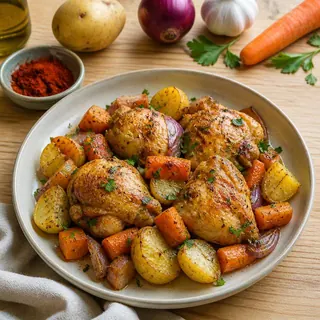
- Squeeze over roast chicken thighs.
- Zest into yogurt with salt as a dip.
- Finish a pan sauce with a splash.
Lemon: questions
What can I use instead of lemon juice?
Lime juice is the closest match, swapped 1:1. White wine vinegar or rice vinegar work in savoury dishes at about half the amount. For baking, a pinch of citric acid with water does the job.
How do you zest a lemon without the bitter pith?
Use a fine rasp grater and press lightly, turning the lemon as soon as the yellow is gone. The white pith underneath is bitter, so stop at the colour.
Should lemons be kept in the fridge?
Yes, if you want them to last. In a sealed bag in the fridge they stay juicy for 3–4 weeks, compared with about a week on the counter.
Can you freeze lemons?
Yes. Freeze whole lemons, slices, juice in ice-cube trays or zest in a bag. Whole frozen lemons are soft once thawed but juice well and can be grated straight from frozen.
Why does lemon turn my green beans brown?
Acid changes chlorophyll into a dull olive-coloured pigment. Add lemon to cooked greens right before serving to keep them bright.
How much juice is in one lemon?
A medium lemon gives about 2–3 tablespoons (30–45 ml) of juice and around 1 tablespoon of zest.
Is a Meyer lemon different from a regular lemon?
Yes. Meyer lemons are a lemon-mandarin cross with thinner skin, sweeter, less acidic juice and a floral aroma. Use a little less sugar when baking with regular lemons in a Meyer recipe, and vice versa.
What does lemon taste like?
Lemon juice adds sourness that balances fat and salt; the zest has fragrant oils. Its strongest notes are citrus, with an aroma that is bright, sharp, floral zest.
What goes well with lemon?
Lemon pairs best with chicken thigh, tahini, capers, halibut, ginger. Acid cuts through rich chicken fat and brightens the browned skin.
How do you use lemon in cooking?
Season with acid: a squeeze at the end wakes up a flat dish by increasing contrast.
How should you store lemon?
Keep whole lemons in the fridge for several weeks; roll before juicing for more yield.
What is the most common mistake with lemon?
Cooking the juice for a long time, which dulls its freshness.
 LimePreserved Lemon
 Capers
 Dill
 Olive oil
 Butter
 Garlic
 Chicken thigh