
Capers
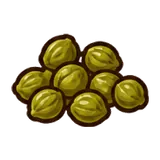
Capers are pickled buds adding a tangy, salty twist to dishes.
Capers are the small, unopened flower buds of the caper bush, a scrubby Mediterranean plant. They are picked by hand, then cured in brine, vinegar or salt. The result is a tiny burst of salty, tangy, lemony flavour with a faint mustardy bite.
Cooks love them as a shortcut to brightness. A spoonful cuts through rich sauces, oily fish and creamy dressings, and fried capers turn into crunchy little flavour bombs. They are the backbone of puttanesca, piccata and tartar sauce.
Flavor profile
Aroma: pickled, lemony
Good to know
Origin: Mediterranean
Forms: pickled, brined
Season: Available year-round in jars; fresh buds are picked through the Mediterranean summer.
Nutrition: Eaten by the spoonful, so they add flavour more than nutrition, but they are high in salt.
Storage: Unopened jars keep for a year or more in the cupboard. Once open, refrigerate capers and keep them fully covered in their brine; they last 6–12 months this way. If any poke above the liquid they dry out, so top up with a splash of vinegar and water if needed. Salt-packed capers keep for months in the fridge in a sealed jar. Throw them out if you see mould, the brine turns cloudy and slimy, or they smell off; freezing is not recommended because they turn mushy.
How to use capers
Tart Garnish
Sprinkle capers on dishes for briny sharpness that balances rich sauces.
Cooking with Meats
Add capers to braised meats near the end to brighten heavy flavors with acidity.
The science of capers
- Raw caper buds are very bitter and hardly edible. Curing in salt or brine lets enzymes and microbes break down the bitter compounds and draws out water, which concentrates the bud's flavour.
- Capers are rich in glucosinolates, the same family of compounds found in mustard and cabbage. When the buds are cured and crushed, these release sharp, mustard-like notes that give capers their gentle bite.
- Their acidity and salt work as contrast. Sour and salty tastes cut through fat in your mouth, so a few capers make butter sauces, mayonnaise and rich fish taste lighter.
- Capers are also high in flavonoids such as rutin and quercetin, which you can sometimes see as tiny white crystals on the surface of brined capers. They are harmless.
- Fried in hot oil, a caper's moisture flashes to steam and the bud bursts open like a little flower. Its surface then browns and crisps in seconds, turning it crunchy and nutty.
How to choose capers
Smaller capers (labelled nonpareil) are the most delicate and prized; larger ones are meatier and stronger. Salt-packed capers have the purest flavour but need soaking, while brined capers are ready to use. Caper berries, the larger fruit with a stem, are milder and best served whole like olives.

Substitutes for capers
| Swap | Amount | What changes |
|---|---|---|
| Chopped green olives | 1:1 | Similar brininess with a meatier texture and less tang; add a squeeze of lemon. |
| Chopped dill pickles or cornichons | 1:1 | Brings sour crunch; great in tartar sauce and potato salad. |
| Caper berries, sliced | 1:1 | Milder and seedier, but very close in flavour. |
| Preserved lemon rind, chopped | use half as much | Salty and lemony without the bite; lovely with fish and chicken. |
What goes with capers
- Lemon. Lemon's acidity brightens the briny sharpness of capers.
- Anchovy. Salty, savory anchovy and briny, pungent capers are the backbone of puttanesca.
- Salmon. Capers' briny tang adds contrast to rich salmon.
- Mayonnaise. Capers' tang cuts mayonnaise's richness, as in tartar sauce.
- Olive. Capers and olives share a salty, briny punch in tapenade and sauces.
- Parsley. Parsley's fresh notes lighten capers' salty punch.
- Olive oil. Olive oil's fat mellows capers' sharpness.
- Garlic. Garlic intensifies capers' pungent and savory character.
- Onion. Onion sugars temper capers' salty sharpness.
- Cauliflower. Briny, pungent capers cut through cauliflower's mild, sweet flavor, as in roasted Sicilian-style dishes.
Mistakes to avoid
- Rinsing brine away reduces flavor.
- Overuse can overwhelm delicate dishes.
Ideas for tonight
- Use in a lemon-caper sauce for fish.
- Sprinkle over smoked salmon.
- Add to pasta for tangy contrast.
Capers: questions
What do capers taste like?
Capers taste salty, tangy and a bit lemony, with a slight mustard-like bite and a gently floral finish. Salt-packed capers are more floral, and brined ones are more vinegary.
Should you rinse capers before using them?
Rinse salt-packed capers well, or soak them for 10–15 minutes, or they will be far too salty. Brined capers only need a quick drain; rinse them lightly if you want less salt and vinegar.
Are capers the same as caper berries?
No. Capers are the unopened flower buds, while caper berries are the grape-sized fruit that forms after the flower blooms. Caper berries are milder, seedy and usually served whole with a stem.
How do you make crispy fried capers?
Drain and pat the capers very dry, then fry them in about 1 cm of oil heated to around 180°C (350°F) for 30–60 seconds until they open and stop sizzling. Drain on paper towel; they crisp further as they cool.
When should I add capers to a dish?
Add them near the end so they keep their texture and tang. Long cooking softens them and spreads their salt through the whole dish, which is fine in a puttanesca but too much in a delicate sauce.
Are capers a type of olive?
No. Capers come from the caper bush, while olives come from olive trees. They are often used together because both are briny and Mediterranean.
What does capers taste like?
Capers are pickled buds adding a tangy, salty twist to dishes., with an aroma that is pickled, lemony.
What goes well with capers?
Capers pairs best with lemon, anchovy, salmon, mayonnaise, olive. Lemon's acidity brightens the briny sharpness of capers.
How do you use capers in cooking?
Tart Garnish: sprinkle capers on dishes for briny sharpness that balances rich sauces.
How should you store capers?
Store in brine in the refrigerator after opening.
What is the most common mistake with capers?
Rinsing brine away reduces flavor.
 Anchovy
 Lemon
 Olive
 Salmon
 Mayonnaise
 Parsley
 Dill
