
Olive

Olives, from the olive tree, offer salty, savory flavors whole or as oil.
Olives are the small, oily fruit of the Mediterranean olive tree, eaten cured or pressed into oil. On the tongue they are salty and savoury with gentle bitterness, an earthy fruitiness and sometimes a smoky or winey edge, depending on the variety and cure.
Cooks love olives as instant flavour boosters. A handful seasons a pasta sauce, a tray of roast chicken or a simple tomato salad, and blitzed with capers and anchovy they become tapenade. They bring salt, fat and depth in one bite.
Flavor profile
Aroma: fruity, savory
Good to know
Origin: Mediterranean
Forms: whole, oil, paste
Season: Fresh olives are harvested in autumn and winter, but cured olives are a pantry item available year-round.
Nutrition: Olives contain mostly monounsaturated fat and are high in salt from curing, so a few go a long way.
Storage: Unopened jars and cans keep in the pantry for a year or more. Once opened, refrigerate olives covered in their brine or oil, where they last 2–3 weeks or longer. If the brine gets cloudy and slimy, or the olives smell rancid or mouldy, throw them out. You can top up brine with a little salted water to keep them submerged. Olives can be frozen, but they soften, so use thawed ones in cooking.
How to use olive
Sauteing
Saute with olive oil for a fruity richness.
Salads and Tapenades
Add olives to salads or blend into tapenade for a complex salty-savory depth.
The science of olive
- Fresh olives are inedibly bitter because of a compound called oleuropein. Curing in brine, lye or dry salt breaks it down or leaches it out over weeks to months.
- Green and black olives are often the same fruit at different ripeness. Green ones are picked unripe and taste firmer and sharper; naturally black ones ripen on the tree and taste softer and fruitier.
- Some canned black olives are darkened by exposing green olives to air in an alkaline solution, which oxidises their phenolic compounds. They taste much milder than naturally ripened ones.
- Olive flesh is rich in oleic acid, a monounsaturated fat. That fat carries aromatic compounds from garlic, herbs and citrus, which is why marinated olives soak up flavour so well.
How to choose olive
Choose olives sold in brine or oil, with plump, unwrinkled flesh unless they are a dry-cured style. Unpitted olives usually have better texture and flavour than pitted ones. At an olive bar, look for clean brine and avoid any with a sour, off smell.

Substitutes for olive
| Swap | Amount | What changes |
|---|---|---|
| Capers | use half as much | Brings the same salty, briny punch in sauces; smaller and sharper. |
| Caper berries | 1:1 | Similar size and brininess on a board or in a salad. |
| Sun-dried tomatoes | 1:1 | Adds savoury depth and chew, though sweeter and less salty. |
What goes with olive
- Feta. Salty feta and briny olives are a Greek classic, both sharp and fatty.
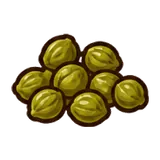
- Capers. Capers and olives share a salty, briny punch in tapenade and sauces.
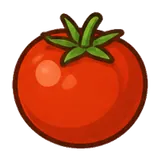
- Tomato. Olive's briny salt contrasts with tomato's sweet acid.
- Lemon. Lemon's acidity sharpens olive's natural brininess.
- Rosemary. Rosemary's piney notes contrast olive's rich flavor.
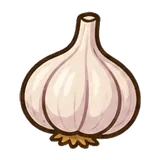
- Garlic. Garlic adds pungency to olive's bold flavors.
- Anchovy. Anchovy's umami deepens the complex flavors of olives.
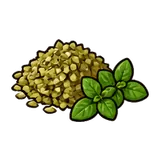
- Oregano. Oregano's pungent oils complement olive's salty bitterness in Greek dishes.
- Orange. Orange's sweet citrus balances olive's salty bitterness.
- Pasta. Olive's briny salt seasons pasta in puttanesca-style sauces.
Mistakes to avoid
- High heat makes olive oil smoke and acrid.
- Stale olives taste rancid.
Ideas for tonight
- Make a tapenade for bread.
- Toss olives into a garden salad.
- Top pizza with mixed olives.
Olive: questions
Why are raw olives so bitter?
They are full of oleuropein, a very bitter compound. Curing in brine, lye or salt breaks it down over time. That is why olives are always cured before eating.
What is the difference between green and black olives?
Green olives are picked before they ripen and taste firmer, sharper and more bitter. Black olives are riper, softer and fruitier, unless they are an artificially darkened canned type.
How long do olives last once opened?
Kept in the fridge and covered in their brine or oil, they last about 2–3 weeks, often longer. Discard them if they smell off or the brine turns slimy.
Can you cook with olives?
Yes. Add them to braises, pasta sauces, pizza and roasts. Stir them in towards the end, as long cooking can make them extra salty and soft.
What are Kalamata olives?
They are a dark purple Greek olive with a rich, winey, fruity flavour. They are usually cured in brine and red wine vinegar.
Do olives need to be rinsed?
Not usually, but a quick rinse removes excess salt if you find them too briny. It is helpful when using lots in a dish that also has cheese or anchovy.
What does olive taste like?
Olives, from the olive tree, offer salty, savory flavors whole or as oil., with an aroma that is fruity, savory.
What goes well with olive?
Olive pairs best with feta, capers, tomato, lemon, rosemary. Salty feta and briny olives are a Greek classic, both sharp and fatty.
How do you use olive in cooking?
Sauteing: saute with olive oil for a fruity richness.
How should you store olive?
Store in brine or oil; refrigerate after opening.
What is the most common mistake with olive?
High heat makes olive oil smoke and acrid.
 Feta
 Capers
 Tomato
 Oregano
 Olive oil
 Anchovy
 Garlic
