
Anchovy

Anchovies are small fish known for their intense umami flavor in dishes and sauces.
Anchovies are small, silvery fish from the Mediterranean and other warm seas, most often salt-cured and packed in oil as fillets or blended into paste. On their own they taste intensely salty, briny and pungent, with a warm, savoury depth and a hint of smoke.
Cooks love anchovies as a secret weapon. Melted into hot oil, they vanish into a deep, rounded savouriness rather than a fishy taste, which is why they quietly power Caesar dressing, puttanesca, bagna càuda, salsa verde and roast lamb.
Flavor profile
Aroma: briny, fishy
Good to know
Origin: Mediterranean
Forms: filets, paste
Season: Available year-round as a cured pantry staple; fresh anchovies are a spring and summer treat in the Mediterranean.
Nutrition: Very salty and used in small amounts, so it adds flavour more than nutrition. Fish is a common allergen.
Storage: Unopened tins and jars keep in a cool cupboard for a year or more. Once opened, transfer leftover fillets to a small jar, cover them completely with olive oil and refrigerate for up to 2 months. Anchovy paste keeps about 6 months in the fridge after opening. Throw anchovies out if they smell rancid or sour rather than briny, or if the oil turns cloudy and off.
How to use anchovy
Boosting Sauces
Melt anchovy fillets in hot oil; they dissolve and offer a subtle umami punch to sauces.
Flavoring Dressings
Mix anchovy paste into dressings, like Caesar, to enrich and deepen flavors.
The science of anchovy
- During salt-curing, enzymes in the fish break proteins down into free amino acids, especially glutamate. Cured anchovies are also rich in inosinate, and the two together give an intense umami boost.
- Anchovy flesh is delicate and its connective tissue is weak. Gently heated in oil, fillets break apart and dissolve completely, spreading their flavour evenly through a sauce.
- Cooking in fat helps anchovy's savoury compounds disperse, while heat drives off some of the sharper, fishier volatiles. That is why melted anchovy tastes rounder and less fishy than straight from the tin.
- Salt and glutamate both suppress the perception of bitterness, so a little anchovy makes bitter greens like kale, broccoli and radicchio taste sweeter and milder.
- Acid from lemon, capers or tomato lifts anchovy's heavy saltiness and balances it, which is why so many classic anchovy dishes include a sharp, bright ingredient.
How to choose anchovy
Oil-packed fillets in glass jars let you see their quality; look for plump, rosy-brown fillets that are intact rather than mushy. Salt-packed whole anchovies have the best flavour but need rinsing and filleting. Anchovy paste in a tube is handy for small amounts, though it is often saltier and less nuanced.

Substitutes for anchovy
| Swap | Amount | What changes |
|---|---|---|
| Anchovy paste | ½ tsp per fillet | The easiest swap; dissolves instantly into sauces and dressings. |
| Fish sauce | ½ tsp per fillet | Similar salty umami from fermented anchovies; add it at the end. |
| White miso | 1 tsp per fillet | A vegetarian option with salty, savoury depth; great in Caesar-style dressings. |
| Capers + soy sauce | 1 tsp chopped capers + a few drops soy per fillet | Brings briny tang and umami for vegetarian puttanesca. |
What goes with anchovy
- Olive oil. Olive oil carries anchovy's umami punch through the dish.
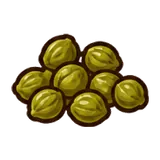
- Capers. Salty, savory anchovy and briny, pungent capers are the backbone of puttanesca.
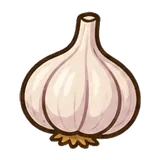
- Garlic. Garlic and anchovy add strong umami and pungency.
- Lemon. Lemon's acidity cuts through anchovy's salty richness.
- Mayonnaise. Anchovy adds umami to mayonnaise's creamy base.
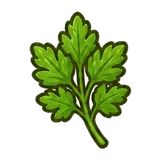
- Parsley. Parsley's fresh notes balance anchovy's intense savoriness.
- Tomato. Tomato's acidity and moisture soften anchovy's intensity.
- Olive. Anchovy's umami deepens the complex flavors of olives.
- Broccoli. Anchovy's salt and umami tame the faint bitterness of broccoli.
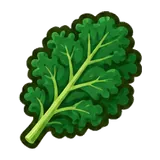
- Kale. Anchovy's salt and umami tame kale's bitterness, as in Caesar-style kale salads.
Mistakes to avoid
- Using whole without dissolving can overpower dishes.
- Adding to non-savory foods is undesirable.
Ideas for tonight
- Mash into butter for umami.
- Use in pasta puttanesca for depth.
- Blend into tapenade for a salty touch.
Anchovy: questions
What do anchovies taste like?
Straight from the tin they are very salty, briny and intense. Cooked into sauces or dressings they lose that sharpness and add a rich, savoury depth that most people don't recognise as fish.
Do anchovies make food taste fishy?
Not when used well. Melted slowly into warm oil and balanced with garlic, lemon or tomato, a few fillets give savoury depth without a fishy taste.
How do you store anchovies after opening?
Move the fillets into a small, clean jar, cover them fully with olive oil and refrigerate. They keep well for up to 2 months this way.
Are anchovies and sardines the same?
No. Both are small, oily fish, but anchovies are smaller and usually salt-cured, giving them an intense flavour. Sardines are larger, milder and typically canned without the long cure.
What can I use instead of anchovies?
Anchovy paste and fish sauce are the closest swaps. For a vegetarian option, white miso, capers or a few drops of soy sauce bring similar salty, savoury depth.
Do you need to rinse anchovies?
Oil-packed fillets can be used straight from the tin. Salt-packed anchovies should be rinsed, soaked briefly and filleted to remove excess salt and bones.
What does anchovy taste like?
Anchovies are small fish known for their intense umami flavor in dishes and sauces. Its strongest notes are pungent, with an aroma that is briny, fishy.
What goes well with anchovy?
Anchovy pairs best with olive oil, capers, garlic, lemon, mayonnaise. Olive oil carries anchovy's umami punch through the dish.
How do you use anchovy in cooking?
Boosting Sauces: melt anchovy fillets in hot oil; they dissolve and offer a subtle umami punch to sauces.
How should you store anchovy?
Store in a cool place; use within days once opened or refrigerate.
What is the most common mistake with anchovy?
Using whole without dissolving can overpower dishes.
 Capers
 Olive oil
 Garlic
 Lemon
 Olive
 Parsley
 Kale
 Lamb Shoulder
