Tomato
Tomatoes offer sweet acidity and umami, especially when cooked down.
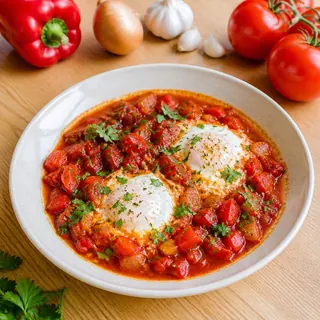
The tomato is a juicy fruit from the nightshade family that cooks use as a vegetable everywhere from Italy to India to Mexico. A ripe one balances sweetness and bright acidity with a fresh, grassy aroma and a surprising amount of savoury umami, especially in the jelly around the seeds. Cooking concentrates all of this into something richer and deeper.
Cooks love tomatoes because they do almost everything: sliced with salt and olive oil in summer, simmered into pasta sauce, roasted until they burst, cooked down into curries and stews, blended into salsas and soups. Canned tomatoes and paste make it possible to cook with great tomato flavour all year.
Flavor profile
Aroma: fresh, grassy, umami
Good to know
Origin: South America
Forms: fresh, canned, roasted
Season: Fresh tomatoes are at their best from mid-summer to early autumn; canned tomatoes are the better choice the rest of the year.
Nutrition: A juicy, low-calorie fruit that adds vitamins and colourful carotenoids such as lycopene to a meal.
Storage: Keep ripe tomatoes at room temperature, stem side down, out of direct sunlight, and eat them within 2–3 days. Unripe tomatoes ripen faster in a paper bag with a banana or apple, which release ethylene. Only refrigerate tomatoes that are fully ripe and about to go over, and let them warm up before eating to bring back some flavour. Throw out tomatoes that are leaking, mouldy or smell fermented. Whole tomatoes freeze well for up to 6 months for sauces; the skins slip off as they thaw.
How to use tomato
Salt ahead
Salt draws out juice and concentrates flavor; let slices sit for 10 minutes before serving.
Cook paste first
Fry tomato paste in oil until brick red to deepen its savory flavor before adding liquid.
The science of tomato
- Tomatoes are rich in free glutamate, the same savoury compound behind umami, with the highest levels in the seeds and surrounding jelly. Cooking and concentrating them, as in tomato paste, intensifies this savoury depth.
- Chilling ripe tomatoes below about 12°C (54°F) damages the enzymes that make their fresh, grassy aroma compounds and breaks down cell membranes, so fridge-stored tomatoes taste flat and turn mealy. Keep them at room temperature.
- Tomato's red colour comes from lycopene, a fat-soluble carotenoid. Cooking tomatoes in olive oil releases more of it from the cell walls and helps carry fat-soluble aroma compounds, which is why tomato sauces taste fuller with oil.
- Frying tomato paste in oil until it turns brick red caramelises its sugars and drives Maillard browning, turning a raw, tinny edge into a deep, sweet, savoury base.
- Salting sliced tomatoes draws out juice by osmosis and concentrates their flavour on the surface. Ten minutes of salt before serving makes even average tomatoes taste sweeter and more intense.
How to choose tomato
Choose tomatoes that feel heavy for their size, give slightly when pressed and smell sweet and green at the stem end. Deep, even colour is a good sign, but heirloom varieties come in yellow, green, purple and striped too. Out of season, cherry tomatoes and good canned plum tomatoes almost always taste better than pale supermarket slicers.

Substitutes for tomato
| Swap | Amount | What changes |
|---|---|---|
| Canned whole plum tomatoes | 1 can (400 g) per about 6 fresh tomatoes | Often better than out-of-season fresh tomatoes for sauces, soups and stews. |
| Tomato paste + water | 1 tbsp paste + 1/4 cup water per tomato | Gives deep tomato flavour in cooked dishes, without the freshness. |
| Roasted red pepper | 1:1 | Sweet and soft, with less acid; add a splash of vinegar or lemon to balance. |
| Sun-dried tomatoes | use about a quarter as much | Intensely sweet and savoury; great chopped into pasta, salads and spreads. |
What goes with tomato
- Basil. Basil's sweet, anise-like oils echo the fruity notes in tomato and soften its acid.
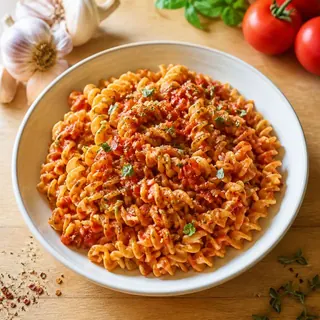
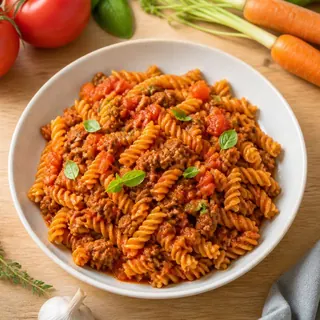
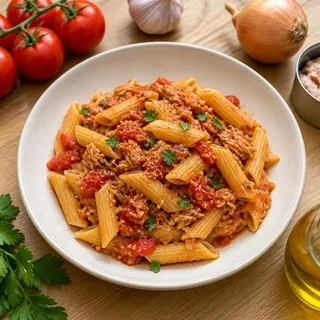
- Pasta. Tomato's acidity breaks through pasta's starchiness, a foundational pairing.
- Zucchini. Tomato's acidity contrasts zucchini’s mild sweetness perfectly.
- Feta. Tomato's acid and sweetness offset feta's salty tang perfectly.
- Bacon. Salty, smoky bacon pairs with tomato's acid and sweetness, as in a BLT.
- Cucumber. Cucumber's cool juice balances tomato's acid in fresh salads.
- Garlic. Garlic's savory pungency deepens the sweetness and acidity of tomato sauce.
- Olive oil. Tomato's flavor compounds are fat-soluble, so oil carries and rounds out its acidity.
- Mozzarella. Tomato's acidity cuts through mozzarella's mild creaminess, adding brightness.
- Bread. Tomato's acidity contrasts with bread's carb heaviness, adding freshness.
Mistakes to avoid
- Refrigerating ripe tomatoes.
- Using out-of-season tomatoes raw, when canned will taste better.
Ideas for tonight
- Slice with salt, olive oil and basil.
- Simmer canned tomatoes with garlic for a sauce.
- Roast cherry tomatoes until they burst.
Tomato: questions
Should you refrigerate tomatoes?
Not if you want flavour. Cold temperatures switch off the enzymes that make fresh tomato aroma and give the flesh a mealy texture. Keep them on the counter, and only chill very ripe ones you cannot eat in time.
Is tomato a fruit or a vegetable?
Botanically, a tomato is a fruit, because it develops from the flower and contains seeds. In the kitchen it is treated as a vegetable because it is used mainly in savoury dishes.
Are canned tomatoes better than fresh?
For sauces and stews, often yes. Canned tomatoes are picked ripe and processed quickly, so out of season they usually taste better than fresh ones that were picked green and shipped.
How do you peel tomatoes?
Score a small cross in the base, drop them into boiling water for 20–30 seconds, then plunge into iced water. The skins will slip off easily from the cut.
Why is my tomato sauce too acidic?
Under-ripe tomatoes or short cooking can leave sauce sharp. Simmer it longer, cook the paste well, and balance with a pinch of sugar, a knob of butter, or sweet vegetables like onion and carrot.
Can you freeze fresh tomatoes?
Yes. Freeze them whole on a tray, then bag them for up to 6 months. They go soft when thawed, so use them for sauces, soups and stews, and the skins rub off easily.
What can I use instead of fresh tomatoes?
Canned plum tomatoes are the best swap for cooking. Tomato paste diluted with water works in small amounts, and roasted red peppers can stand in where you want sweetness and colour.
What does tomato taste like?
Tomatoes offer sweet acidity and umami, especially when cooked down. Its strongest notes are sweet, citrus, with an aroma that is fresh, grassy, umami.
What goes well with tomato?
Tomato pairs best with basil, pasta, zucchini, feta, bacon. Basil's sweet, anise-like oils echo the fruity notes in tomato and soften its acid.
How do you use tomato in cooking?
Salt ahead: salt draws out juice and concentrates flavor; let slices sit for 10 minutes before serving.
How should you store tomato?
Keep ripe tomatoes at room temperature; the fridge dulls flavor and makes them mealy.
What is the most common mistake with tomato?
Refrigerating ripe tomatoes.
 Basil
 Garlic
 Olive oil
 Mozzarella
 Tomato Paste
 Onion
 Feta
 Pasta