Bacon
Also called pork bacon
Cured, smoked pork belly that crisps in its own fat and perfumes the whole house.
Bacon is pork, usually belly in North America and loin or belly in the UK and Europe, cured with salt and often smoked. It tastes salty, smoky and deeply savoury, with a little sweetness, a pungent edge and an earthy, roasted depth once it crisps.
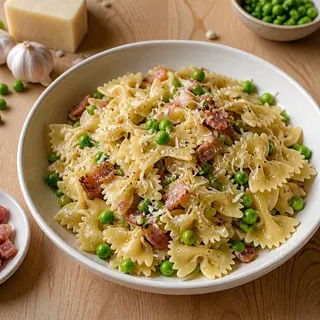
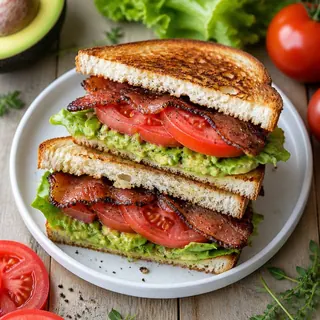
Cooks love bacon because a few slices flavour a whole dish. It crisps into a crunchy topping, renders fat that seasons vegetables and beans, and brings smoke to soups, pastas and sandwiches like the BLT.
Flavor profile
Aroma: umami, smoky
Good to know
Origin: Europe
Forms: smoked, unsmoked, cured
Season: Available year-round.
Nutrition: High in salt and fat, so it is usually used in small amounts to flavour a dish.
Storage: Keep bacon in the fridge in its sealed pack until the use-by date; once opened, wrap it tightly and use within a week. It freezes well for 1–2 months, after which the salt can make the fat taste stale. Freeze slices flat between parchment so you can pull out just what you need. Cooked bacon keeps 4–5 days chilled. Throw it out if it smells sour, feels slimy or has turned grey or green.
How to use bacon
Cold Start Crisp
Begin bacon in a cold pan to slowly render fat, ensuring even crisping.
Smoky Vegetables
Use bacon fat, which carries umami compounds, to impart a smoky depth to vegetables.
The science of bacon
- Curing salt draws moisture out of the pork and makes it inhospitable to spoilage bacteria. Many cures also include sodium nitrite, which keeps the meat pink and gives bacon its distinctive cured flavour.
- Smoke deposits aromatic compounds such as phenols on the surface of the meat. They give bacon its campfire flavour and help slow the fat from going rancid.
- Starting bacon in a cold pan lets the fat render gently before the meat tightens. The slices cook more evenly and end up crisp all over rather than burnt at the edges and chewy in the middle.
- As bacon browns, its sugars and proteins react through the Maillard reaction, creating roasted aroma compounds like pyrazines. Push it too far and those turn bitter and burnt.
- Bacon fat is a carrier for flavour. Fat-soluble aroma compounds from the smoke dissolve into the rendered fat, so cooking vegetables or eggs in it spreads bacon's flavour through the whole dish.
How to choose bacon
Look for slices with a good balance of pink meat and white fat and no grey or slimy patches. Thick-cut bacon stays meatier and is easier to cook evenly, while thin slices crisp faster. Check the label for smoked or unsmoked (green) bacon, and choose dry-cured bacon if you want less spitting in the pan.

Substitutes for bacon
| Swap | Amount | What changes |
|---|---|---|
| Pancetta | 1:1 | Italian cured pork belly, usually unsmoked; add a pinch of smoked paprika for the smoky note. |
| Prosciutto | 1:1 | Thin cured ham that crisps quickly in a pan; leaner and less smoky. |
| Smoked paprika + olive oil | ½ tsp paprika per 2 slices | A vegetarian way to get smoke into beans, soups and greens. |
| Smoked tofu or tempeh strips | 1:1 | Fry until crisp with soy sauce and maple for a plant-based swap. |
What goes with bacon
- Corn. Bacon's fat and smoky notes pair perfectly with corn's sweetness.
- Tomato. Salty, smoky bacon pairs with tomato's acid and sweetness, as in a BLT.
- Maple Syrup. Maple syrup's sweetness balances bacon's saltiness and adds contrasting texture.
- Avocado. Bacon's smoky saltiness contrasts the creamy richness of avocado.
- Green Bean. Rendered bacon fat coats green beans and adds smoky depth.
- Scallop. Smoky salt from bacon contrasts with scallop's sweet, tender flesh.
- Potato. Bacon adds crispy texture to soft potatoes.
- Leek. Bacon's fat and smoke amplify leek's sweet, oniony flavor.
- Brie. Bacon's fat dissolves brie's aroma compounds, boosting its savory profile.
- Kale. Bacon's fat and smoke soften kale's bitterness as it wilts.
Mistakes to avoid
- High heat from the start burns bacon, rendering fats unevenly.
- Overcooking results in pyrazines that overshadow flavor.
Ideas for tonight
- Crumble over salads for a smoky crunch.
- Wrap around vegetables or meats before roasting.
- Layer in sandwiches for a savory bite.
Bacon: questions
How do you cook bacon in the oven?
Lay the slices on a lined baking tray, or on a rack set over a tray, and bake at 200°C (400°F) for 15–20 minutes. There is no need to flip, and it cooks evenly with no spatter.
Should you start bacon in a cold pan?
Yes, for most bacon. A cold pan lets the fat render slowly before the meat tightens, so you get crisper, more evenly cooked slices.
How long does bacon last in the fridge?
Unopened bacon keeps until its use-by date. Once opened, use it within about a week, and cooked bacon within 4–5 days.
Can you freeze bacon?
Yes. Raw bacon freezes well for 1–2 months, and cooked crumbled bacon for longer. Freeze slices flat or rolled so they separate easily.
Is bacon already cooked?
Most bacon is cured and sometimes smoked, but not cooked, so it needs to be cooked before eating. Only bacon labelled precooked is ready to eat.
What can you do with bacon fat?
Strain it and keep it in the fridge for a few weeks to fry eggs, roast potatoes or sauté greens. It adds smoky depth to cornbread and beans too.
What does bacon taste like?
Cured, smoked pork belly that crisps in its own fat and perfumes the whole house. Its strongest notes are smoky, with an aroma that is umami, smoky.
What goes well with bacon?
Bacon pairs best with corn, tomato, maple syrup, avocado, green bean. Bacon's fat and smoky notes pair perfectly with corn's sweetness.
How do you use bacon in cooking?
Cold Start Crisp: begin bacon in a cold pan to slowly render fat, ensuring even crisping.
How should you store bacon?
Refrigerate bacon in its packaging, or freeze if not using soon.
What is the most common mistake with bacon?
High heat from the start burns bacon, rendering fats unevenly.
 Tomato
 Corn
 Maple Syrup
 Egg
 Green Bean
 Pork Belly
 Lentil
 Potato