Avocado
Also called alligator pear
Avocado's creamy texture comes from its rich oleic acid content, perfect for varied dishes.
Avocado is a fruit from Central America, sometimes called alligator pear for its bumpy green skin. Unlike most fruit it is barely sweet. The flesh tastes mild, buttery and gently nutty, with a soft grassy note, and its texture is almost like cold butter.
Cooks love avocado because it adds richness without dairy. Mashed, it becomes guacamole or a spread for toast; sliced, it cools spicy tacos, softens sharp salads and balances salty bacon or shrimp. It needs salt and acid to shine, and it rewards a little patience waiting for perfect ripeness.
Flavor profile
Aroma: nutty, buttery
Good to know
Origin: Central America
Forms: fresh, mashed, sliced
Season: Available year-round thanks to different growing regions; Hass avocados are most plentiful from spring through summer.
Nutrition: Avocado is high in fat, mostly the monounsaturated kind, and provides fibre.
Storage: Keep unripe avocados at room temperature for 2–5 days until they give slightly. Once ripe, move them to the fridge, where they hold for another 2–3 days. Store a cut half with the stone in, brushed with lime juice and wrapped tightly, and use within a day. Grey-brown streaks, a sour smell or stringy, dark flesh mean it is past its best. Mashed avocado with a little lime juice freezes for a few months; use it thawed in dips and smoothies rather than slices.
How to use avocado
Hold Back Browning
Citrus juice slows avocado browning by inhibiting oxidation with citric acid.
Creamy Dreams
Avocado's oils enhance its creaminess when mashed for spreads and dips.
The science of avocado
- Avocado flesh is high in fat, mostly oleic acid, the same monounsaturated fat that dominates olive oil. That fat is what makes it taste creamy and carry flavours like garlic and chilli so well.
- Cut avocado browns because the enzyme polyphenol oxidase reacts with oxygen. Lime or lemon juice lowers the pH and slows it, and pressing plastic wrap onto the surface keeps oxygen out.
- Avocados only ripen after they are picked. They release ethylene gas as they soften, so a paper bag with a banana or apple traps the gas and speeds things up.
- Heat brings out bitter compounds in avocado, which is why it is almost always eaten raw or just warmed. Add it at the end of hot dishes, not during cooking.
How to choose avocado
A ripe avocado yields to gentle pressure in your palm without feeling mushy. Flick off the little stem cap: green underneath means ready, brown means it may be overripe. Buy rock-hard ones if you need them in a few days and let them ripen at home.

Substitutes for avocado
| Swap | Amount | What changes |
|---|---|---|
| Hummus | 1:1 | Gives a creamy spread for toast and wraps with a nuttier flavour. |
| Greek yogurt + a little olive oil | 1:1 | Creamy and tangy in dips and dressings; not dairy-free. |
| Mashed edamame or peas | 1:1 | Bright green and smooth for a guacamole-style dip, though less rich. |
What goes with avocado
- Lime. Lime balances avocado's rich fat with bright acidity and prevents browning.
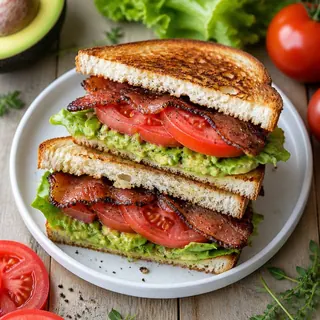
- Bread. Creamy avocado fat contrasts with crisp toast, and salt and acid finish it.
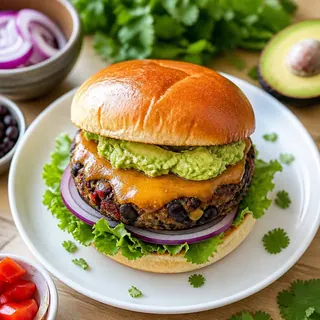
- Black Bean. Creamy avocado and black beans cool and round out spicy dishes.
- Tortilla. Creamy avocado rounds out a tortilla's toasty corn flavor.
- Cilantro. Avocado's creaminess offsets cilantro's grassy pungency.
- Bacon. Bacon's smoky saltiness contrasts the creamy richness of avocado.
- Jalapeño. Avocado mellows jalapeño's hot punch with its creamy texture.
- Lemon. Lemon's acid cuts avocado's fat and slows the browning of its cut flesh.
- Shrimp. Cool, buttery avocado softens the sweet snap of shrimp.
- Soy Sauce. Soy sauce's umami and saltiness contrast with avocado's creaminess.
Mistakes to avoid
- Cutting early means the avocado hasn't developed its full flavor.
- Leaving a cut avocado exposed leads to quick browning from polyphenol oxidase.
Ideas for tonight
- Mash into guacamole with lime and garlic.
- Slice into salads for richness.
- Blend into smoothies for a creamy texture.
Avocado: questions
How do you know when an avocado is ripe?
It should give slightly when pressed gently in your palm. Check under the stem cap: bright green means ripe. If it is hard, wait; if it feels hollow or very soft, it is likely overripe.
How can I ripen an avocado quickly?
Put it in a paper bag with a banana or apple at room temperature. The trapped ethylene gas speeds ripening, often to a day or two. Microwaving or baking only softens it without real ripening.
How do you keep guacamole from turning brown?
Add plenty of lime juice, then press plastic wrap right onto the surface so no air touches it. Browning is only on the surface and can be scraped off.
Can you freeze avocado?
Yes, mashed or puréed with a little lime juice. It keeps for a few months but thaws soft, so use it in dips, spreads and smoothies rather than slices.
Can you cook avocado?
You can warm it briefly, as in baked eggs in avocado, but long cooking makes it bitter. It is best added at the end of a dish or served raw.
Is avocado a fruit or a vegetable?
Botanically it is a fruit, a large berry with a single seed. In the kitchen it is used more like a vegetable because it is not sweet.
What does avocado taste like?
Avocado's creamy texture comes from its rich oleic acid content, perfect for varied dishes., with an aroma that is nutty, buttery.
What goes well with avocado?
Avocado pairs best with lime, bread, black bean, tortilla, cilantro. Lime balances avocado's rich fat with bright acidity and prevents browning.
How do you use avocado in cooking?
Hold Back Browning: citrus juice slows avocado browning by inhibiting oxidation with citric acid.
How should you store avocado?
Store unripe avocados at room temperature, and refrigerate once ripe to slow over-ripening.
What is the most common mistake with avocado?
Cutting early means the avocado hasn't developed its full flavor.
 Lime
 Lemon
 Cilantro
 Jalapeño
 Shrimp
 Tomato