Cilantro
Also called coriander leaf, fresh coriander
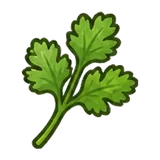
Cilantro is fresh and citrusy unless your genes say it’s soap, thanks to smell receptors.
Cilantro is the fresh leaf and stem of the coriander plant, known simply as coriander in the UK. For most people it tastes bright, green and citrusy, with a sharp, peppery freshness that wakes up rich and spicy food.
Cooks love cilantro because it is everywhere: on tacos, in salsa and guacamole, blended into chutneys, scattered over curries, pho and Thai salads. For a minority, though, it tastes like soap, and that comes down to genes rather than fussiness.
Flavor profile
Aroma: bright, citrusy, green
Good to know
Origin: Mediterranean and Central Asia
Forms: fresh leaf, stems
Season: Available year-round in shops; it grows fastest in cool spring and autumn weather, and bolts to seed in summer heat.
Nutrition: Used in small amounts, so it adds flavour more than nutrition.
Storage: Trim the stems, stand the bunch in a jar with a little water, cover loosely with a bag and refrigerate; change the water every few days and it keeps for up to 2 weeks. Don't wash it until just before use, because wet leaves turn slimy fast. To freeze, chop it and freeze in ice-cube trays with a little oil or water for up to 6 months, ready for sauces and curries. Throw it away once the leaves are slimy or black.
How to use cilantro
Use the stems too
Stems carry more flavor than leaves and survive heat; chop them into the base of a dish.
Finish with leaves
Add leaves at the end; heat dulls their fresh, green oils.
The science of cilantro
- Cilantro's aroma is dominated by aldehydes such as (E)-2-decenal and (E)-2-dodecenal. Similar aldehydes are found in soaps and lotions, which is why some people pick up a soapy note.
- People who find it soapy are more likely to carry a variant near the OR6A2 gene, which codes for a smell receptor that is very sensitive to those aldehydes. It is a real difference in perception, not imagination.
- Crushing the leaves into a paste or pesto may soften the soapy edge for some people, because bruising releases enzymes that break down some of the aldehydes.
- The leaves' aroma is very volatile and fades fast in heat, so add leaves at the end. Stems and roots have a deeper, sturdier flavour that survives cooking, which is why Thai curry pastes pound in the roots.
- Coriander seed comes from the same plant but tastes completely different: warm, floral and orange-like, led by linalool. The seed and the leaf are not interchangeable.
How to choose cilantro
Pick bunches with bright green, perky leaves and firm stems; avoid any that are yellowing, wilted or slimy at the base. Bunches with roots still attached last longer and give you the roots for curry pastes. Smell it: it should be fresh and strongly citrusy.

Substitutes for cilantro
| Swap | Amount | What changes |
|---|---|---|
| Flat-leaf parsley + lime zest | 1:1, plus a pinch of zest | Gives a green, fresh lift without any soapy note; ideal for people who dislike cilantro. |
| Thai basil | 1:1 | Brings fresh, sweet anise notes to Southeast Asian dishes. |
| Mint | use half as much | Cooling and fresh; works in chutneys, salads and with chilli. |
| Mixed parsley and mint | 1:1 total | A balanced green blend for salsas and herb sauces. |
What goes with cilantro
- Lime. Both are bright and citrusy; lime keeps cilantro tasting fresh and sharp.
- Tomatillo. Cilantro's citrusy notes brighten tomatillo's tangy, tart profile.
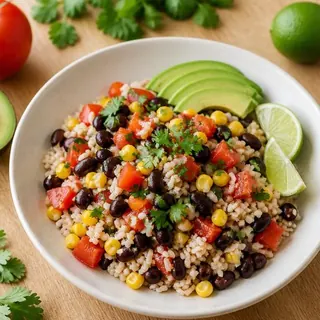
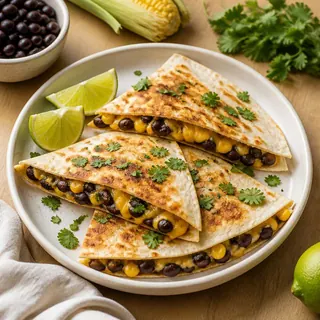
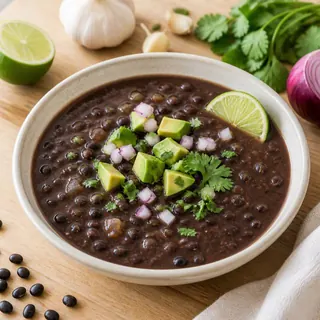
- Black Bean. Fresh cilantro lifts black bean dishes with a bright, citrusy note.
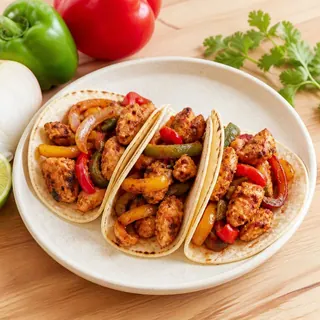
- Tortilla. Fresh cilantro is the classic taco topping.
- Avocado. Avocado's creaminess offsets cilantro's grassy pungency.
- Onion. Onion's sulfurous bite contrasts with cilantro's vivid freshness.
- Mango. Cilantro's fresh, citrusy aroma contrasts with mango's ripe sweetness.
- Tomato. Tomato's natural sweetness softens cilantro's intensity.
- Shrimp. Cilantro's fresh notes add contrast to shrimp.
- Quinoa. Cilantro's aldehydes, like E-2-decenal, give citrusy notes to quinoa's blandness.
Mistakes to avoid
- Cooking the leaves for a long time, which turns them dull.
- Washing it wet and storing it, which makes it slimy.
Ideas for tonight
- Blend into a quick green sauce with lime.
- Stir through rice just before serving.
- Top tacos with chopped stems and leaves.
Cilantro: questions
Why does cilantro taste like soap?
Cilantro contains aldehydes that are also found in soap. Some people have a variant near the OR6A2 smell-receptor gene that makes them very sensitive to those compounds, so the soapy note dominates. Crushing it into a paste can sometimes make it more pleasant.
Is cilantro the same as coriander?
It's the same plant. In North America, cilantro means the fresh leaves and stems, and coriander means the dried seeds. In the UK and many other places, the fresh leaves are also called coriander. The seeds taste quite different from the leaves.
Can you eat cilantro stems?
Yes, and you should. Tender stems have even more flavour than the leaves and hold up to heat, so chop them into salsas or fry them at the start of a curry.
How do you keep cilantro fresh?
Stand the stems in a glass of water, cover loosely with a bag and keep it in the fridge. Don't wash it until you use it. Stored this way, it can last up to 2 weeks.
Can you freeze cilantro?
Yes, though it loses its crispness. Chop it and freeze in ice-cube trays topped with oil or water, then drop cubes into curries, soups and sauces.
What can I use instead of cilantro?
Flat-leaf parsley with a little lime zest is the closest fresh swap. Thai basil or mint also work, depending on the dish. For people who dislike cilantro, parsley is the safest choice.
What does cilantro taste like?
Cilantro is fresh and citrusy unless your genes say it’s soap, thanks to smell receptors. Its strongest notes are citrus, with an aroma that is bright, citrusy, green.
What goes well with cilantro?
Cilantro pairs best with lime, tomatillo, black bean, tortilla, avocado. Both are bright and citrusy; lime keeps cilantro tasting fresh and sharp.
How do you use cilantro in cooking?
Use the stems too: stems carry more flavor than leaves and survive heat; chop them into the base of a dish.
How should you store cilantro?
Stand stems in water, cover loosely with a bag, and refrigerate for up to 2 weeks.
What is the most common mistake with cilantro?
Cooking the leaves for a long time, which turns them dull.
 Lime
 Tomatillo
 Avocado
 Coriander Seed
 Mint
 Parsley
 Jalapeño