
Coriander Seed
Also called cilantro seed
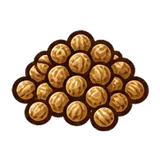
Coriander seeds add warm, earthy notes with a hint of citrus.
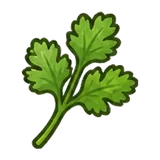
Coriander seeds are the dried, round fruits of the same plant that gives us fresh coriander leaves, also called cilantro. The seeds taste nothing like the leaves: they are warm, mildly earthy and floral, with a bright orange-peel citrus note that blooms when toasted.
Cooks love them as a gentle team player. Coriander rounds out cumin in curries, chilli and taco seasoning, perfumes pickles and sausages, and gives Belgian wheat beer its signature orangey lift.
Flavor profile
Aroma: citrusy, earthy
Good to know
Origin: Mediterranean
Forms: whole, ground
Season: Available year-round as a dried spice; if you grow coriander, green seeds in late summer are a fresh, zingy treat.
Nutrition: Used in small amounts, so it adds flavour more than nutrition.
Storage: Keep coriander seed in an airtight jar in a cool, dark, dry cupboard. Whole seeds stay fragrant for 2–3 years, while ground coriander fades within about 6 months because its linalool evaporates quickly. Grind only what you need, ideally in a spice grinder or pestle and mortar. If crushed seeds smell faint, toast them to revive them a little, or replace them.
How to use coriander seed
Toasting for Aroma
Toasting brings out linalool and pinene, enhancing the citrusy aroma.
Grinding for Flavor
Grinding exposes seeds' linalool content, boosting their earthy citrus profile.
The science of coriander seed
- Linalool is the main aroma compound, giving a floral, citrusy scent also found in lavender and orange blossom. It makes up the majority of the seed's essential oil, which is why coriander pairs so naturally with citrus.
- Supporting terpenes such as pinene and terpinene add a resinous, slightly piney edge. Grinding breaks the seed's cells open and releases these volatiles quickly, so freshly ground coriander is far more fragrant than old powder.
- Dry-toasting drives off moisture and adds light Maillard browning, deepening the flavour from fresh-floral to warm and nutty. Because the seeds are hollow, they toast fast and burn fast.
- The seed's oils are fat-soluble, so blooming whole or crushed seeds in oil at the start of a dish carries their aroma through every bite.
How to choose coriander seed
Look for whole seeds that are pale tan to light brown, plump and round, with a clear citrus smell when crushed. Indian coriander seeds are often oval and more aromatic, while Moroccan ones are rounder and earthier. Ground coriander should smell lemony; if it smells like sawdust, skip it.

Substitutes for coriander seed
| Swap | Amount | What changes |
|---|---|---|
| Cumin | use half as much | Earthier and stronger, missing the citrus; add a little lemon zest to balance. |
| Caraway seed | use half as much | Shares the warm, seedy note with an anise twist. |
| Fennel seed | use half as much | Sweeter and liquorice-like; works in sausages and rubs. |
| Garam masala | use half as much | Usually includes coriander, but adds warmer, sweeter spices. |
What goes with coriander seed
- Turmeric. The citrusy note of coriander seeds balances turmeric's earthiness.
- Lemon. Lemon's acidity cuts through coriander seed's earthy flavor.
- Chicken thigh. Coriander seed’s citrusy notes add brightness to rich chicken thighs.
- Chili Flake. Coriander seed adds subtle warmth to balance the heat of chili flakes.
- Cumin. Both spices share linalool, giving dishes a complex, warm aroma.
- Chickpea. Coriander seed's citrus notes brighten chickpeas' earthiness.
- Peanut. Coriander seed adds a citrusy brightness to peanuts.
- Sumac. Coriander's citrusy notes align with sumac's lemony tang.
- Pork Belly. Coriander seed’s citrus notes cut through the richness of pork belly fat.
- Carrot. Coriander seed's citrusy, floral linalool lifts carrot's earthy sweetness, as in carrot soup.
Mistakes to avoid
- Whole seeds hinder linalool release, limiting flavor.
- Exposure to air leads to linalool loss and dull aroma.
Ideas for tonight
- Toss ground coriander with roasted vegetables.
- Boost tomato curries with depth.
- Add to bread dough for earthiness.
Coriander Seed: questions
Is coriander seed the same as cilantro?
They come from the same plant, but they taste completely different. The leaves are grassy and bright, while the seeds are warm, floral and citrusy. People who dislike cilantro usually enjoy the seeds.
What does coriander seed taste like?
It tastes warm and gently earthy with a strong citrus, orange-peel note and a floral finish. Toasting makes it nuttier and rounder.
How do I toast coriander seeds?
Shake them in a dry pan over medium heat for 1–2 minutes, until they smell fragrant and turn a shade darker. Tip them onto a plate to cool, then crush or grind.
Should I use whole or ground coriander?
Whole seeds suit pickles, brines and tempering in hot oil. Ground coriander blends into curries, rubs and baking. Grinding your own gives the brightest flavour.
What can I use instead of coriander seed?
Cumin, caraway or fennel seed all work at about half the amount. A little lemon or orange zest helps bring back the citrus note.
Why do recipes use coriander and cumin together?
They balance each other. Cumin is deep and earthy, coriander is bright and citrusy, so together they make a fuller, rounder base.
What goes well with coriander seed?
Coriander Seed pairs best with turmeric, lemon, chicken thigh, chili flake, cumin. The citrusy note of coriander seeds balances turmeric's earthiness.
How do you use coriander seed in cooking?
Toasting for Aroma: toasting brings out linalool and pinene, enhancing the citrusy aroma.
How should you store coriander seed?
Store in a cool, dry place in an airtight container.
What is the most common mistake with coriander seed?
Whole seeds hinder linalool release, limiting flavor.
 Cumin
 Cilantro
 Fennel Seed
 Orange
 Lemon
 Turmeric
 Chickpea
 Lamb Shoulder
