Cumin
Also called jeera, comino
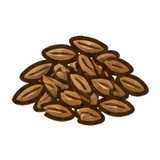
Cumin is the earthy, slightly bitter base of chili, curries, and taco seasoning.
Cumin is the dried seed of a small plant in the parsley family, sold whole or ground and known as jeera in Indian kitchens and comino in Spanish ones. It is warm, deeply earthy and a little bitter, with a nutty, faintly citrusy aroma and a hint of smokiness once it hits hot oil.
Cooks love it because it makes food taste grounded and complete. A spoonful turns plain beans into chilli, lentils into dal and minced meat into taco filling, and it is the backbone of garam masala, ras el hanout and most chilli powders.
Flavor profile
Aroma: earthy, nutty, slightly citrusy
Good to know
Origin: Eastern Mediterranean and South Asia
Forms: whole seed, ground
Season: Available year-round as a dried spice; the freshest seeds come from the spring harvest in India and the Middle East.
Nutrition: Used in small amounts, so it adds flavour more than nutrition.
Storage: Keep cumin in an airtight jar in a cool, dark cupboard, away from the hob and the oven. Whole seeds stay lively for about 2 years, while ground cumin loses most of its punch in around 6 months. The test is simple: crush a pinch and sniff, and if the aroma is faint, use more or replace it. Freezing is not needed and can let moisture in when you open the jar, so the pantry is best.
How to use cumin
Toast whole
Warm seeds in a dry pan for 30–60 seconds until fragrant, then grind. Heat releases aroma that raw cumin keeps locked in.
Bloom in fat
Fry in oil or ghee for 20 seconds at the start of a dish to spread its flavor through the whole pot.
The science of cumin
- Cumin's signature smell comes mostly from cuminaldehyde, an aromatic aldehyde that gives that musky, almost savoury warmth. It is volatile, so grinding and heating release it quickly, and long storage after grinding lets it drift away.
- Many of cumin's aroma compounds are fat-soluble, which is why blooming seeds in hot oil or ghee for 20–30 seconds spreads their flavour through a whole pot far better than stirring powder into water.
- Dry-toasting triggers light Maillard browning on the seed surface and drives off moisture, adding roasted, nutty notes. Push it too far and the oils scorch into acrid, bitter compounds within seconds.
- Cumin also carries terpenes such as cymene and terpinene, which give the faint citrus lift that makes it pair so naturally with lime and lemon.
How to choose cumin
Buy whole seeds when you can: they should be greenish-brown, slender and smell strongly earthy when rubbed between your fingers. Ground cumin should be fragrant the moment you open the jar; if it smells of dust or nothing at all, it is past its best. Shops with high turnover, like South Asian or Middle Eastern grocers, usually have fresher stock at lower prices.

Substitutes for cumin
| Swap | Amount | What changes |
|---|---|---|
| Ground coriander | 1:1 | Shares the warm, citrusy side but is lighter and sweeter; add a pinch of smoked paprika for depth. |
| Caraway seed | use half as much | A close botanical cousin with a similar earthy note, though more anise-like. |
| Chilli powder blend | 1:1 | Most chilli powders contain cumin already, but they also bring heat and garlic. |
| Garam masala | use half as much | Contains cumin plus warm sweet spices; best in curries rather than Mexican dishes. |
What goes with cumin
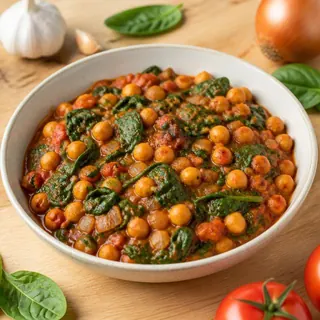
- Chickpea. Cumin's earthy warmth is the classic seasoning for chickpea's mild, nutty flavor.
- Lentil. Cumin's earthy warmth is the classic seasoning for lentil's mild, earthy flavor.
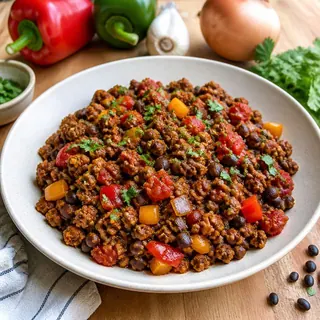
- Black Bean. Cumin's warm earthiness matches black bean's own earthy flavor.
- Carrot. Cumin's earthiness meets carrot's sweetness, and roasting deepens both.
- Lime. Sharp citrus cuts through cumin's earthy weight and lifts its aroma.
- Chicken thigh. Cumin's warm oils dissolve into chicken fat and season it deeply.
- Yogurt. Cool, tangy yogurt balances cumin's earthiness and mellows its bitterness.
- Turmeric. Both turmeric and cumin share earthy and warm aroma compounds.
- Rice. Cumin's oil-solubilized flavors seep into rice.
- Chili Flake. Cumin and chili flakes share earthy, warm aromas great in stews.
Mistakes to avoid
- Burning it: cumin goes bitter fast once it smokes.
- Adding ground cumin at the very end, where it tastes raw and dusty.
Ideas for tonight
- Toast and grind it over roasted carrots.
- Stir into yogurt with lime and salt for a quick sauce.
- Bloom in oil before adding lentils.
Cumin: questions
What does cumin taste like?
Cumin tastes warm, earthy and slightly bitter, with a nutty, musky aroma and a faint citrus edge. Toasted or bloomed in oil, it turns rounder and almost smoky.
Is cumin the same as coriander?
No. They are relatives in the same plant family and often used together, but coriander seed is lighter, sweeter and citrusy while cumin is deeper and earthier.
Should I use whole or ground cumin?
Whole seeds give a nutty pop when fried at the start of a dish, like in a tadka. Ground cumin blends into sauces and rubs. For the best of both, toast whole seeds and grind them yourself.
How do I toast cumin seeds?
Shake them in a dry pan over medium heat for 30–60 seconds, until they darken slightly and smell fragrant. Tip them out straight away, because the hot pan keeps cooking them and they burn fast.
Why does my cumin taste bitter?
It was most likely burnt, or you used too much. Cumin goes bitter once it smokes, so keep the heat moderate and add the next ingredient quickly to cool the pan.
What can I use instead of cumin?
Ground coriander, caraway or a chilli powder blend all work. None is identical, so taste as you go and add a little smoked paprika if you miss the depth.
Is cumin spicy?
Not in the chilli-heat sense. It is warm and pungent but contains no capsaicin, so it adds depth rather than burn.
What goes well with cumin?
Cumin pairs best with chickpea, lentil, black bean, carrot, lime. Cumin's earthy warmth is the classic seasoning for chickpea's mild, nutty flavor.
How do you use cumin in cooking?
Toast whole: warm seeds in a dry pan for 30–60 seconds until fragrant, then grind. Heat releases aroma that raw cumin keeps locked in.
How should you store cumin?
Keep whole seeds in a sealed jar away from light for up to 2 years; ground loses punch in about 6 months.
What is the most common mistake with cumin?
Burning it: cumin goes bitter fast once it smokes.
 Coriander Seed
 Chickpea
 LentilBlack Bean
 Smoked Paprika
 Turmeric
 Lime
 Chili Flake