Rice
Also called white rice
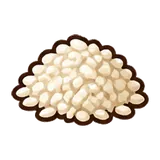
Rice is mostly starch; rinse to remove surface starch for separate grains.
Rice is the seed of a grass and feeds more people than almost any other food. Plain white rice tastes clean, mildly sweet and a little nutty, while basmati and jasmine add a soft floral, popcorn-like perfume.
Cooks love rice because it is the ultimate canvas. It soaks up coconut milk, stock, saffron and soy sauce, calms the heat of gochujang and kimchi, and can be fluffy, sticky, creamy or crisp depending on the grain and how you cook it.
Flavor profile
Aroma: neutral, nutty, floral (basmati)
Good to know
Origin: Asia
Forms: long grain, short grain, basmati
Season: Available year-round; new-crop rice in autumn can cook up softer and needs a little less water.
Nutrition: Mainly a source of starchy carbohydrate; brown rice also keeps its bran and some fibre. Naturally gluten-free.
Storage: Keep uncooked white rice in an airtight container in a cool, dry cupboard, where it lasts for years. Brown rice keeps about 6 months, or longer in the fridge. Cooked rice must be cooled quickly and refrigerated within an hour, then eaten within 1–2 days, because spores of Bacillus cereus can survive cooking and make toxins at room temperature. Cooked rice freezes well for up to 1 month; reheat it once only, until steaming hot all the way through.
How to use rice
Rinse then rest
Rinse until water is clearer, then let the cooked pot rest covered for 10 minutes so steam evens out the grains.
Toast first
Fry dry grains in a little fat before adding water to give a nutty flavor and keep them separate.
The science of rice
- Rice is mostly starch, made of amylose and amylopectin. Long grains like basmati are higher in amylose and cook up fluffy and separate; short grains like sushi and risotto rice are rich in amylopectin and turn sticky or creamy.
- When rice simmers, its starch granules absorb water and swell in a process called gelatinisation, softening the grain. Resting the pot covered for 10 minutes lets steam even out the moisture.
- Rinsing washes off loose surface starch, which would otherwise thicken the cooking water and glue grains together. Skip rinsing for risotto, where you want that starch.
- As cooked rice cools, starch molecules realign and firm up, called retrogradation. That is why day-old rice makes the best fried rice: the drier grains stay separate in the wok.
- The aroma of basmati and jasmine comes largely from 2-acetyl-1-pyrroline, the same compound that smells like fresh popcorn.
How to choose rice
Match the grain to the dish: basmati for pilaf and biryani, jasmine for Thai and Southeast Asian meals, short-grain for sushi, Arborio or Carnaroli for risotto and long-grain for everyday sides. Look for whole, unbroken grains with little dust in the bag. Brown rice has more flavour but its oily bran layer goes rancid faster, so buy smaller bags.

Substitutes for rice
| Swap | Amount | What changes |
|---|---|---|
| Quinoa | 1:1 by volume | Nuttier and quicker to cook; great in bowls and salads. |
| Couscous | 1:1 by volume | Cooks in 5 minutes with boiling water; lighter and fluffier. |
| Pearl barley | 1:1 by volume | Chewy and nutty; a good swap in risotto-style dishes, but longer cooking. |
| Cauliflower rice | 1 cup per 1 cup cooked rice | Low-carb and quick, but very mild and watery; stir-fry it briefly. |
What goes with rice
- Saffron. Saffron’s aroma compounds infuse rice with a distinctive, vivid flavor.
- Coconut Milk. Rice cooked in coconut milk takes on its fat and sweetness, as in coconut rice.
- Rice Vinegar. Rice vinegar's mild acid seasons sushi rice and keeps it glossy.
- Gochujang. Plain rice calms gochujang's heat and carries its sauce, as in bibimbap.
- Kimchi. Plain rice balances kimchi's sour, spicy punch.
- Black Bean. Rice and black beans together make a complete, classic combination across Latin America.
- Mango. Sweet mango with sticky rice is a classic Thai dessert of fruit and starch.
- Milk. Rice swells in milk to make creamy puddings.
- Parmesan. Parmesan's salty umami finishes risotto with creamy richness.
- Cinnamon. A cinnamon stick simmered in rice adds warm sweetness without sugar.
Mistakes to avoid
- Lifting the lid while it cooks, which lets steam escape.
- Leaving cooked rice at room temperature for hours.
Ideas for tonight
- Cook with a cinnamon stick and cumin.
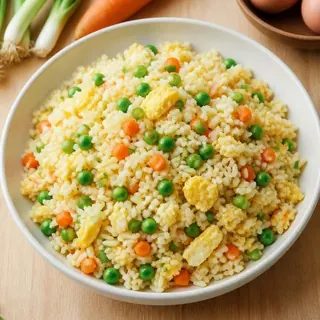
- Fry leftover rice with garlic and egg.
- Finish with lime and chopped cilantro.
Rice: questions
Should you rinse rice before cooking?
For fluffy, separate grains, yes: rinse until the water runs mostly clear. For risotto or rice pudding, skip it, since the surface starch makes the dish creamy.
What is the rice to water ratio?
About 1 part long-grain white rice to 1.5 parts water by volume with the absorption method. Basmati often needs a little less and brown rice needs around 2 parts water and a longer cook.
Is it safe to reheat rice?
Yes, if it was cooled quickly and refrigerated within an hour. Reheat it only once, until steaming hot throughout, and eat it within 1–2 days of cooking.
Can you freeze cooked rice?
Yes. Cool it quickly, freeze it flat in bags for up to 1 month, then reheat from frozen in the microwave or a pan with a splash of water until piping hot.
Why is my rice mushy?
Too much water, too long a cook or lots of stirring. Measure the water, keep the lid on, and let it rest off the heat so the steam can finish the job.
What is the difference between basmati and jasmine rice?
Basmati grains are long and slim and cook dry and separate with a nutty perfume. Jasmine is slightly shorter, softer and a little sticky, with a sweeter floral scent.
What does rice taste like?
Rice is mostly starch; rinse to remove surface starch for separate grains., with an aroma that is neutral, nutty, floral (basmati).
What goes well with rice?
Rice pairs best with saffron, coconut milk, rice vinegar, gochujang, kimchi. Saffron’s aroma compounds infuse rice with a distinctive, vivid flavor.
How do you use rice in cooking?
Rinse then rest: rinse until water is clearer, then let the cooked pot rest covered for 10 minutes so steam evens out the grains.
How should you store rice?
Keep dry rice in an airtight container; refrigerate cooked rice within an hour and use in 1 to 2 days.
What is the most common mistake with rice?
Lifting the lid while it cooks, which lets steam escape.
 Coconut Milk
 Saffron
 Soy Sauce
 Quinoa
 Couscous
 Pasta