Soy Sauce

Soy sauce adds deep umami and savory tones via fermentation.
Soy sauce is a dark, salty liquid brewed from soybeans, usually wheat, salt and a special mould called koji, then left to ferment for months. It tastes deeply earthy and savoury, with a gentle sweetness, a hint of roasty smoke and a long umami finish.
It is one of the most useful bottles in any kitchen. A splash seasons stir-fries, marinades, dressings and glazes, and even a few drops in a stew or gravy add depth that plain salt cannot. Knowing light from dark soy makes it even better.
Flavor profile
Aroma: umami, salty
Good to know
Origin: China
Forms: regular, light, dark, low-sodium
Season: Available year-round; a brewed pantry staple with no season.
Nutrition: Very high in sodium, so a little goes a long way; it contains soy and usually wheat (gluten).
Storage: An unopened bottle keeps for years in a cool, dark cupboard. Once opened it is safe at room temperature thanks to its high salt, but it stays fresher in the fridge, where it keeps its best taste for 6–12 months versus a few months in the pantry. Over time it darkens and tastes flatter and saltier; a white film or off, musty smell means it is time to replace it. There is no need to freeze it, although you can freeze leftover soy-based marinades in ice-cube trays.
How to use soy sauce
Marinating Meats
Amino acids and peptides from fermentation tenderize and flavor meat.
Flavor Balancing
Creates umami and adds complexity through fermentation.
The science of soy sauce
- During fermentation, enzymes from the koji mould break soy and wheat proteins down into free amino acids, especially glutamate. Glutamate is what your tongue reads as umami, so soy sauce makes food taste fuller and meatier.
- The same breakdown frees sugars from wheat starch. These sugars and amino acids react together over months in the Maillard reaction, creating soy sauce's brown colour and its roasty, caramel-like aroma.
- Soy sauce is roughly 14–18% salt, so it seasons as well as flavours. Its salt and small peptides help a marinade penetrate meat and tofu, and the sugars help glazes brown fast under high heat.
- Dark soy sauce is aged longer and often thickened with molasses or caramel, so it is less salty, sweeter and stains food a deep mahogany. Light soy is thinner and saltier, and is the one to season with.
- Once opened, soy sauce slowly oxidises. Its colour darkens and its fresh aroma fades over months, which is why chilling an open bottle keeps it tasting brighter.
How to choose soy sauce
Check the label for 'naturally brewed' or 'traditionally brewed'; quick chemical versions made from hydrolysed protein taste harsher. Buy light (or all-purpose) soy for seasoning and a small bottle of dark soy for colour and sweetness. If you need gluten-free, look for tamari that is clearly labelled gluten-free.

Substitutes for soy sauce
| Swap | Amount | What changes |
|---|---|---|
| Tamari | 1:1 | Made with little or no wheat, so it is richer and often gluten-free; check the label. |
| Coconut aminos | use 1.5 times as much | Soy-free and gluten-free, much less salty and noticeably sweeter, so add a pinch of salt. |
| Fish sauce + water | 1 tsp fish sauce + 1 tsp water per 2 tsp soy | Brings salt and umami but a funkier, seafood note; best in Southeast Asian dishes. |
| Miso thinned with water | 1 tsp miso + 1 tbsp water per 1 tbsp soy | Gives the same fermented depth in soups and dressings, though it is cloudier. |
What goes with soy sauce
- Ginger. Ginger's heat highlights soy sauce's umami richness.
- Sesame Oil. Sesame oil's aroma compounds dissolve in soy sauce's liquid matrix, heightening aroma.
- Tofu. Soy sauce's salt and umami penetrate tofu's porous structure.
- Bok Choy. Soy sauce's salt and umami season bok choy's juicy, mild stalks.
- Rice. Soy sauce's umami infuses rice, amplifying savory flavor.
- Star Anise. Star anise’s sweetness interacts with the umami of soy sauce.
- Chili Flake. Soy sauce's umami mellows the sharp heat of chili flakes in marinades.
- Honey. Honey's sweetness tames the saltiness of soy sauce for balanced glazes.
- Mushroom. Mushrooms intensify soy sauce’s umami through their own savory compounds.
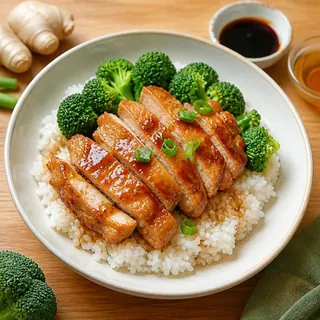
- Chicken thigh. Soy sauce marinates chicken with savory saltiness, adding moisture.
Mistakes to avoid
- Too much overwhelms umami receptors with glutamates.
- Wrong type disrupts the glutamate-sodium balance.
Ideas for tonight
- Combine with honey for a glaze.
- Mix into stir-fries for depth.
- Add to sushi dipping sauce.
Soy Sauce: questions
What is the difference between light and dark soy sauce?
Light soy sauce is thinner, paler and saltier, and is the everyday seasoning soy. Dark soy is aged longer, often has molasses or caramel added, and is thicker, sweeter and less salty. Use light for flavour and dark mainly for colour in braises and noodles.
Does soy sauce need to be refrigerated?
It is safe in the cupboard because it is so salty, but refrigerating an open bottle keeps its aroma and colour fresher for much longer. If you get through a bottle in a couple of months, the pantry is fine.
Is soy sauce gluten-free?
Most soy sauce is not, because it is brewed with wheat. Tamari is traditionally made with little or no wheat, and many brands are certified gluten-free; always check the label if you are avoiding gluten.
Is tamari the same as soy sauce?
Tamari is a type of Japanese soy sauce made mostly or entirely from soybeans. It tastes richer, rounder and a little less sharp than standard soy, and you can swap them 1:1.
How long should I marinate in soy sauce?
For fish and seafood, 15–30 minutes is plenty. Chicken and tofu do well in 1–4 hours, and tougher cuts of beef or pork can go overnight. Longer than that and the salt can make the surface firm and cured.
Does soy sauce go bad?
It rarely spoils because of its salt content, but its quality fades. If it smells musty, grows a film or tastes harsh and flat, replace it.
What does soy sauce taste like?
Soy sauce adds deep umami and savory tones via fermentation. Its strongest notes are earthy, with an aroma that is umami, salty.
What goes well with soy sauce?
Soy Sauce pairs best with ginger, sesame oil, tofu, bok choy, rice. Ginger's heat highlights soy sauce's umami richness.
How do you use soy sauce in cooking?
Marinating Meats: amino acids and peptides from fermentation tenderize and flavor meat.
How should you store soy sauce?
Store in a cool, dark place and refrigerate after opening.
What is the most common mistake with soy sauce?
Too much overwhelms umami receptors with glutamates.
 Ginger
 Sesame Oil
 Tofu
 Bok Choy
 Miso
 Fish Sauce
 Rice Vinegar
 Scallion