
Bok Choy
Also called Chinese cabbage
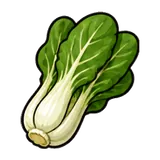
Bok choy is a crunchy, mild green that shines when stir-fried.
Bok choy, also called pak choi, is a Chinese cabbage with thick, juicy white or pale green stems and dark, spoon-shaped leaves. It tastes fresh, mild and gently sweet, with a faint peppery, mustardy note from its brassica family and a lot of crunch in the stalks. Baby bok choy is smaller, more tender and even milder.
Cooks love it because it gives two textures in one vegetable: crisp, watery stems and soft, silky leaves. It takes only a couple of minutes in a hot wok with garlic and ginger, soaks up soy, oyster and sesame flavours, and slips easily into noodle soups, braises and steamed dishes.
Flavor profile
Aroma: fresh, green, mild
Good to know
Origin: China
Forms: whole, baby bok choy, shredded
Season: Available year-round; bok choy is a cool-weather crop at its sweetest in autumn and spring.
Nutrition: A leafy green vegetable that adds vitamins, minerals and fibre to a meal with very few calories.
Storage: Store bok choy unwashed in a loosely closed plastic bag in the crisper drawer and use it within 4–6 days; the leaves wilt faster than the stems. Wash it only just before cooking, separating the stalks or soaking halved baby heads in cold water to float out grit trapped near the base. Yellowing leaves, limp stems or a sour smell mean it is past its best. It can be frozen after a 1-minute blanch for up to 6 months, but it will be soft, so use frozen bok choy in soups and braises.
How to use bok choy
Stir-Frying Bok Choy
Flash-cook on high; the sugars in the stalks caramelize, sweetening each bite while staying crisp.
Steaming Bok Choy
Steam briefly; it tightens the cell walls, so it keeps both its green color and crunch.
The science of bok choy
- Like cabbage and mustard, bok choy contains glucosinolates. When the cells are damaged, the enzyme myrosinase converts them into mildly pungent isothiocyanates, which give raw bok choy its faint peppery edge. Brief cooking keeps this note gentle and fresh.
- The stems are mostly water held in rigid cells. Fast, high-heat stir-frying heats the surface quickly so the stems stay crunchy, while long or crowded cooking lets them release water and stew into limp, soggy pieces.
- Bok choy leaves are thin and full of chlorophyll. A minute or two of heat keeps them bright green, but long cooking or adding vinegar early converts the chlorophyll into dull olive pigments.
- In a very hot wok, the cut faces of halved baby bok choy brown through the Maillard reaction, adding a nutty, toasty depth that balances the clean, sweet stems.
How to choose bok choy
Look for firm, crisp, unblemished white or pale green stems and fresh, dark green leaves with no yellowing, holes or slimy patches. The heads should feel heavy and tight. Baby bok choy is best for halving and cooking whole; larger heads are good for slicing into stir-fries and soups.

Substitutes for bok choy
| Swap | Amount | What changes |
|---|---|---|
| Choy sum | 1:1 | Similar mild flavour with thinner stems and small yellow flowers; cooks a little faster. |
| Napa cabbage | 1:1 | Crisp, sweet and mild; great in stir-fries and soups. |
| Swiss chard | 1:1 | Sturdier stems and earthier leaves; cook the stems first. |
| Spinach + celery | 1:1 combined | Spinach for the soft leaves and celery for the crunch; a handy fridge-raid swap. |
What goes with bok choy
- Garlic. Garlic mellows and sweetens in hot oil, offsetting bok choy's mild bitterness in a wok.
- Ginger. Ginger's clean heat brightens bok choy's mild, slightly peppery greens in stir-fries.
- Mushroom. Mushroom's savory umami deepens bok choy's mild flavor.
- Sesame Oil. Toasted sesame oil adds nutty aroma to bok choy's fresh green flavor.
- Soy Sauce. Soy sauce's salt and umami season bok choy's juicy, mild stalks.
- Tofu. Mild tofu soaks up the sauce while bok choy adds crisp texture.
- Chili Flake. Chili flakes bring heat that cuts through bok choy's soothing crunch.
- Doubanjiang. Bok choy's mild crunch balances doubanjiang's salty heat.
Mistakes to avoid
- Overcooked bok choy wilts as the cellulose breaks down.
- Leaves can taste gritty if not washed properly.
Ideas for tonight
- Garlic bok choy stir-fry with sesame seeds
- Bok choy and shiitake mushroom soup
- Spicy tofu and bok choy rice bowl
Bok Choy: questions
What does bok choy taste like?
Bok choy is mild, fresh and slightly sweet, with a faint peppery note. The stems are juicy and crunchy like celery without the strong flavour, and the leaves are tender like spinach.
How do you clean bok choy?
Grit hides at the base where the stalks join. Separate the stalks, or halve baby bok choy lengthways, then swish in a big bowl of cold water and lift it out so the dirt stays behind.
Can you eat bok choy raw?
Yes. Thinly sliced raw bok choy, especially baby bok choy, is crisp and mild in slaws and salads. Dress it with sesame oil, rice vinegar and a little soy sauce.
How long do you cook bok choy?
In a hot wok or pan, sliced bok choy takes 2–4 minutes; halved baby bok choy needs 3–5. Start the stems a minute before the leaves so both finish together.
Is pak choi the same as bok choy?
Yes. Pak choi and bok choy are two spellings of the same vegetable, from different ways of romanising its Cantonese name.
Can you eat the white part of bok choy?
Definitely. The white stems are the crunchiest, juiciest part. Slice them and cook them slightly longer than the leaves.
What goes well with bok choy?
Bok Choy pairs best with garlic, ginger, mushroom, sesame oil, soy sauce. Garlic mellows and sweetens in hot oil, offsetting bok choy's mild bitterness in a wok.
How do you use bok choy in cooking?
Stir-Frying Bok Choy: flash-cook on high; the sugars in the stalks caramelize, sweetening each bite while staying crisp.
How should you store bok choy?
Store unwashed in a plastic bag in the crisper drawer of the refrigerator for up to a week.
What is the most common mistake with bok choy?
Overcooked bok choy wilts as the cellulose breaks down.
 Garlic
 Ginger
 Soy Sauce
 Sesame Oil
 Mushroom
 Tofu
 Cabbage
