Garlic
Also called ajo
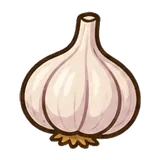
Raw garlic is sharp and spicy; cooking mellows it to a sweet, savory depth.
Garlic is the pungent bulb of a plant in the onion family, made up of papery-skinned cloves. Raw, it is fiercely sharp, spicy and sulfurous. Cooked gently, it turns sweet, nutty and mellow, and roasted whole it becomes soft and almost caramel-like.
It is probably the most loved aromatic in the world. Garlic underpins tomato sauces, stir-fries, curries, roasts and dressings, and how you cut and cook it controls how loud it gets, from a gentle hum to a full shout.
Flavor profile
Aroma: sharp, sulfurous, sweet when cooked
Good to know
Origin: Central Asia
Forms: fresh clove, powder, roasted
Season: Available year-round from stored bulbs; fresh new-season garlic arrives in late spring and summer.
Nutrition: Used in small amounts, so it adds flavour more than nutrition.
Storage: Keep whole bulbs in a cool, dry, well-ventilated spot, such as a basket or mesh bag, not in the fridge; they last 2–3 months. Once you break the bulb, individual cloves keep for about 10 days. Peeled cloves go in a sealed container in the fridge for up to a week, or freeze them whole or minced for several months. Never store raw garlic in oil at room temperature, as it can allow botulism to grow; keep garlic oil refrigerated and use within 4 days, or freeze it. Soft, shrivelled or mouldy cloves should be thrown away.
How to use garlic
Crush for strength
Chopping or crushing breaks cells and creates more pungent compounds. Whole cloves stay mild.
Cook gently
Fry over medium heat for 30–60 seconds until pale gold, then add liquid to stop it browning.
The science of garlic
- An intact clove barely smells. When you cut or crush it, an enzyme called alliinase meets a compound called alliin and turns it into allicin, the source of raw garlic's sharp bite. More damage means more allicin, so crushed and grated garlic is stronger than sliced.
- Allicin is unstable and breaks down within hours into other sulfur compounds, and heat speeds this up. That is why cooked garlic is mellower and sweeter than raw.
- Garlic contains sugars and amino acids that brown quickly in the Maillard reaction. Pale gold garlic is nutty and sweet; dark brown garlic tastes bitter, so it needs medium heat and close watching.
- Garlic's flavour compounds dissolve easily in fat, which is why gently frying it in oil or butter spreads its aroma through the whole dish.
- Garlic can sometimes turn blue-green in acidic pickles. Sulfur compounds react with amino acids to form harmless pigments similar to chlorophyll; it is safe to eat.
How to choose garlic
Choose bulbs that feel heavy and firm, with tight, dry, papery skin and no soft spots. Avoid bulbs with green shoots poking out, mould or a sprouting smell. Fresh new-season garlic, sold in late spring and summer, is juicier and milder, and its skin is soft and white.

Substitutes for garlic
| Swap | Amount | What changes |
|---|---|---|
| Garlic powder | 1/8 tsp per clove | Toasty and mellow rather than sharp; great in rubs and dry spice mixes. |
| Granulated garlic | 1/4 tsp per clove | Coarser than powder and less likely to clump in sauces. |
| Shallot, minced | 1 tbsp per clove | Sweet and oniony with a mild garlic note; good in dressings. |
| Garlic chives or wild garlic | 1 tbsp chopped per clove | Fresh and grassy; stir in at the end. |
What goes with garlic
- Chicken thigh. Garlic turns sweet in rendered chicken fat and perfumes the whole pan.
- Olive oil. Garlic's flavor compounds dissolve in oil, so gentle frying spreads them everywhere.
- Butter. Butter's milk solids brown nutty against garlic's sweetness, a classic basting pair.
- Ginger. Garlic's sulfur depth and ginger's clean heat cover savory and fresh at once.
- Beef Chuck. Garlic's bold aroma intensifies as it infuses into beef chuck.
- Shrimp. Garlic aroma intensifies quickly, matching shrimp's fast cook time.
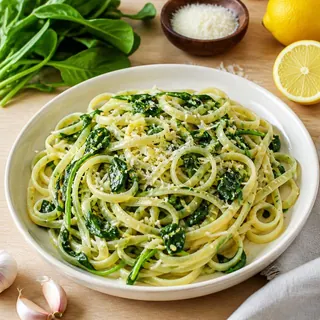
- Spinach. Garlic's sulfur tones counter spinach's earthy notes.
- Eggplant. Garlic's intense aroma seeps into eggplant's porous flesh.
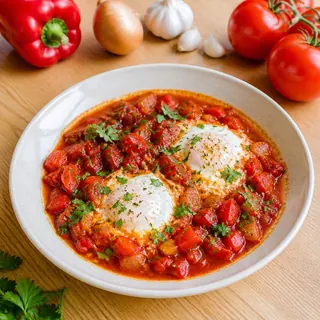
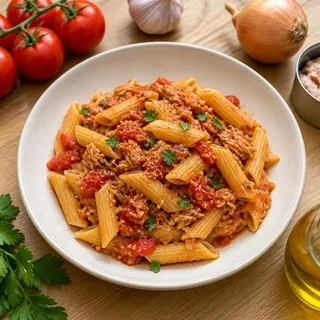
- Tomato. Garlic's savory pungency deepens the sweetness and acidity of tomato sauce.
- Rosemary. Resinous rosemary stands up to garlic's strength in roasts and fat-rich meat.
Mistakes to avoid
- Letting it brown dark, which turns it bitter.
- Adding it to a screaming-hot dry pan where it burns instantly.
Ideas for tonight
- Slow-roast a whole bulb and mash it into butter.
- Rub a cut clove on toast.
- Start a tomato sauce with garlic in cold oil.
Garlic: questions
Why does crushed garlic taste stronger than whole cloves?
Crushing breaks more cells, letting the enzyme alliinase turn alliin into allicin, the compound behind garlic's sharp bite. A whole clove roasted gently stays mild and sweet because very little allicin forms.
Should garlic be stored in the fridge?
Whole bulbs are best in a cool, dry, airy spot outside the fridge, where they keep for months. The fridge's moisture can make them sprout or go mouldy. Peeled or chopped garlic, though, should go in the fridge.
Is it safe to store garlic in oil?
Not at room temperature. Raw garlic in oil creates a low-oxygen environment where botulism bacteria can grow. Keep homemade garlic oil in the fridge and use it within 4 days, or freeze it.
How do I stop garlic from burning?
Cook it over medium heat for 30–60 seconds, until just pale gold, then add liquid or other ingredients to stop it browning further. Starting it in cold oil and heating gently also helps.
How do you roast a whole head of garlic?
Slice the top off the bulb, drizzle with olive oil, wrap in foil and roast at 200°C (400°F) for 40–50 minutes until the cloves are soft and golden. Squeeze them out and spread on bread or mash into butter.
Should I remove the green sprout from garlic?
You can. The green germ in older cloves tastes a bit bitter, especially raw. Halve the clove and flick it out if you want a milder flavour.
How much garlic powder equals one clove?
About 1/8 teaspoon of garlic powder equals one medium clove. Powder tastes toasty rather than sharp, so it works best in rubs, soups and dressings.
What does garlic taste like?
Raw garlic is sharp and spicy; cooking mellows it to a sweet, savory depth. Its strongest notes are pungent, with an aroma that is sharp, sulfurous, sweet when cooked.
What goes well with garlic?
Garlic pairs best with chicken thigh, olive oil, butter, ginger, beef chuck. Garlic turns sweet in rendered chicken fat and perfumes the whole pan.
How do you use garlic in cooking?
Crush for strength: chopping or crushing breaks cells and creates more pungent compounds. Whole cloves stay mild.
How should you store garlic?
Store whole bulbs in a cool, dry, ventilated spot for a few months.
What is the most common mistake with garlic?
Letting it brown dark, which turns it bitter.
 Ginger
 Olive oil
 Butter
 Tomato
 Onion
 Shallot
 Chili Flake
 Rosemary