
Beef Chuck
Also called chuck roast, chuck roll
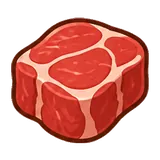
The marbling in beef chuck needs slow cooking to become tender gelatin.
Beef chuck comes from the shoulder of the cow, a hard-working area full of marbling and connective tissue. It tastes deeply beefy and warm, with an earthy richness and a hint of smoke once it is well browned.
Cooks love chuck because it is affordable and packed with flavour. Raw it is tough, but given time and gentle heat it melts into pot roast, stew, ragù, shredded taco beef and juicy burgers.
Flavor profile
Aroma: beefy, fatty, rich
Good to know
Origin: Global, common in beef-rich regions
Forms: raw, ground, stewed, roasted
Season: Available year-round; it shines in autumn and winter braises.
Nutrition: A good source of protein and iron; well-marbled chuck is also fairly high in fat.
Storage: Keep raw chuck wrapped on the bottom shelf of the fridge and cook within 3–5 days, or 1–2 days if ground. Wrapped tightly, it freezes well for 4–6 months, and ground chuck for 3–4 months. Thaw in the fridge, allowing a day per 2 kg (4 lb). Braised chuck keeps 3–4 days chilled and often tastes better the next day; it also freezes well in its sauce for up to 3 months. Throw it out if it is slimy, smells sour or has turned grey-green.
How to use beef chuck
Braised Bliss
Let the heat and moisture break down collagen. The result? Tender, flavorful beef.
Burger Brilliance
Grind the chuck, cook the patties, and watch that intramuscular fat melt into juicy goodness.
The science of beef chuck
- Chuck is rich in collagen, the tough connective tissue that binds muscle fibres. Held at a gentle simmer for a few hours, collagen breaks down into gelatin, which makes the meat tender and gives braising liquid its silky body.
- The sweet spot for braising is a liquid just below a simmer, around 85–95°C (185–203°F). A hard boil tightens the muscle fibres and squeezes out moisture faster than the collagen can soften.
- Searing chunks of chuck before braising triggers the Maillard reaction, creating hundreds of browned, roasted aroma compounds. The browned bits left in the pan dissolve into the sauce when you deglaze with wine or stock.
- Chuck's intramuscular fat bastes the meat from the inside as it melts. That is why ground chuck, usually about 20 percent fat, makes juicier burgers than leaner cuts.
- Mushrooms, tomato paste and soy sauce bring glutamate, while beef itself carries inosinate. Together they amplify umami far more than either does alone, which is why these are classic stew partners.
How to choose beef chuck
Look for a chuck roast with plenty of thin white marbling running through deep red meat; that fat and connective tissue are what turn into flavour. A well-shaped, even-thickness roast cooks more evenly. For stews, buy a whole roast and cube it yourself rather than pre-cut stew meat, which can mix in leaner cuts.

Substitutes for beef chuck
| Swap | Amount | What changes |
|---|---|---|
| Beef brisket | 1:1 | Also collagen-rich and made for slow cooking; it slices more neatly but can be leaner. |
| Beef short ribs | 1.5:1 by weight (bone-in) | Richer and more luxurious, with bones that add body to a braise. |
| Beef shin or shank | 1:1 | Very gelatinous; great for stews but needs a little longer. |
| Lamb shoulder | 1:1 | Braises the same way with a stronger, gamier flavour. |
What goes with beef chuck
- Garlic. Garlic's bold aroma intensifies as it infuses into beef chuck.
- Bay Leaf. Bay leaf's eugenol lends a warm note to beef chuck's richness.
- Red Wine. Wine tannins bind to proteins, tenderizing beef.
- Rosemary. Rosemary's volatile oils penetrate beef, adding a pine-like aroma.
- Carrot. Carrot's sweetness balances the rich, savory beef in a braise.
- Mushroom. Mushroom's glutamates deepen the savory flavor of braised beef.
- Thyme. Thyme's thymol resists long cooking and flavors beef stews.
- Tomato Paste. Browned tomato paste adds umami and acid to beef braises.
- Tortilla. Braised, shredded beef chuck fills tacos and burritos well.
- Onion. Onion’s caramelized sugars amplify beef's umami.
Mistakes to avoid
- If it's still tough, you didn't cook it long enough.
- Cut too much fat, and you're left with tasteless meat.
Ideas for tonight
- Beef stew
- Slow-cooked pot roast
- Beef chuck tacos
Beef Chuck: questions
What temperature should chuck roast be cooked to?
Beef is safe at 63°C (145°F), but chuck only turns tender once it reaches about 90–96°C (195–205°F) inside and stays there long enough for the collagen to melt. Test with a fork: it should twist and pull apart easily.
How long does it take to cook a chuck roast?
A 1.5–2 kg (3–4 lb) roast takes about 3–4 hours braised in a 150°C (300°F) oven, or 8 hours on low in a slow cooker. Thick cubes for stew need about 2–3 hours.
Why is my chuck roast still tough?
It almost always needs more time. Chuck goes through a tough stage before the collagen breaks down, so cover it and keep cooking gently until it is fork-tender.
Is chuck roast the same as pot roast?
Pot roast is the dish, and chuck is the most popular cut used to make it. Brisket and round can also be pot-roasted, but chuck gives the juiciest result.
Can you grill or pan-fry beef chuck?
Whole roasts are too tough for quick cooking, but some cuts from the chuck, such as flat iron and chuck eye steaks, are tender enough to grill. Ground chuck is also ideal for burgers.
Can you freeze cooked beef chuck?
Yes. Stews and shredded chuck freeze well in their liquid for up to 3 months, and the sauce keeps the meat from drying out as it reheats.
What does beef chuck taste like?
The marbling in beef chuck needs slow cooking to become tender gelatin. Its strongest notes are warm, with an aroma that is beefy, fatty, rich.
What goes well with beef chuck?
Beef Chuck pairs best with garlic, bay leaf, red wine, rosemary, carrot. Garlic's bold aroma intensifies as it infuses into beef chuck.
How do you use beef chuck in cooking?
Braised Bliss: let the heat and moisture break down collagen. The result? Tender, flavorful beef.
How should you store beef chuck?
Refrigerate for 3-5 days or freeze to extend shelf life.
What is the most common mistake with beef chuck?
If it's still tough, you didn't cook it long enough.
 Garlic
 Carrot
 Mushroom
 Red Wine
 Thyme
 Tomato Paste
 Bay Leaf
 Ribeye
