
Rosemary
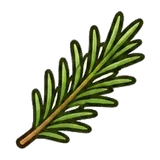
Rosemary's intense, piney taste is potent; use sparingly with meats and potatoes.
Rosemary is a woody, evergreen Mediterranean herb with stiff, needle-like leaves. It smells piney, resinous and camphor-like, with a warm, slightly bitter taste and a whisper of lemon and eucalyptus.
Cooks love rosemary because it stands up to big flavours and long cooking. It is made for roast lamb, crispy potatoes, focaccia and garlicky chicken, and a single sprig warmed in olive oil can perfume a whole dish. The trick is restraint: too much tastes like medicine.
Flavor profile
Aroma: piney, resinous, camphor
Good to know
Origin: Mediterranean
Forms: fresh sprig, dried
Season: Evergreen and available fresh year-round; it is especially welcome in autumn and winter roasts.
Nutrition: Used in small amounts, so it adds flavour more than nutrition.
Storage: Wrap fresh sprigs loosely in a damp paper towel inside a bag and refrigerate for up to 2 weeks. Rosemary freezes beautifully: freeze whole sprigs in a bag and use straight from frozen, or freeze chopped needles in oil in ice-cube trays for up to 6 months. Dried rosemary keeps about a year in an airtight jar. Throw out sprigs that turn black, slimy or smell musty.
How to use rosemary
Chop fine
The needles are tough; chopping small makes them pleasant to eat and spreads flavor.
Infuse oil
Warm a sprig in olive oil gently so its fat-soluble aroma moves into the oil, then use that oil.
The science of rosemary
- Rosemary's aroma comes mainly from 1,8-cineole (eucalyptus-like), camphor, alpha-pinene (pine) and borneol. These terpenes are what give it that resinous, cooling, piney smell.
- The narrow leaves have a thick, waxy surface and little water, so rosemary holds its aroma through roasting, grilling and slow braising far better than soft herbs. Whole needles can stay woody, though, so chop them finely for quick dishes.
- Its aroma compounds dissolve readily in fat. Gently warming a sprig in olive oil or basting meat with rosemary butter moves the flavour into the fat, which then coats everything it touches.
- Rosemary contains carnosic acid and rosmarinic acid, which slow the oxidation of fats. That is why rosemary extract is used in the food industry to keep oils and meats from tasting rancid.
- Oil infused with fresh rosemary (or garlic) should be kept in the fridge and used within a few days, because low-acid, oxygen-free oil can let botulism bacteria grow at room temperature.
How to choose rosemary
Look for sprigs with deep green, glossy, springy needles that release a strong pine scent when rubbed. Avoid bunches with dry, brittle, browning needles or black spots. If you cook with it often, a rosemary plant is hardy and easy to keep on a sunny balcony.

Substitutes for rosemary
| Swap | Amount | What changes |
|---|---|---|
| Dried rosemary | 1 tsp dried per 1 tbsp fresh | Crumble it well first; dried needles are sharp and strong, so start with less. |
| Thyme | 1:1 | Milder and earthier, but works in roasts, potatoes and stews. |
| Sage | use half as much | Also resinous and bold; excellent with pork, poultry and squash. |
| Herbes de Provence | 1:1 | Usually contains rosemary along with thyme and other herbs. |
What goes with rosemary
- Lamb Shoulder. Rosemary's pine-like aroma cuts through lamb's rich fattiness.
- Garlic. Resinous rosemary stands up to garlic's strength in roasts and fat-rich meat.
- Potato. Rosemary's piney aroma pops against potatoes' starchiness.
- Beef Chuck. Rosemary's volatile oils penetrate beef, adding a pine-like aroma.
- Chicken thigh. Resinous rosemary flavors the rich fat of roasted chicken thigh.
- Ribeye. Rosemary's piney resin stands up to ribeye's beefy fat when basted in butter.
- Thyme. Both herbs have camphor and pinene, giving them a resinous aroma.
- Olive oil. Olive oil captures rosemary's volatile oils for a fragrant experience.
- Balsamic Vinegar. Rosemary shares a woody aroma compound, camphor, with balsamic vinegar.
- Olive. Rosemary's piney notes contrast olive's rich flavor.
Mistakes to avoid
- Using whole needles in a quick dish, which stay woody.
- Overdoing it: too much rosemary tastes like medicine.
Ideas for tonight
- Toss with potatoes and olive oil before roasting.
- Rub on lamb or chicken with garlic.
- Warm in oil for dipping bread.
Rosemary: questions
What does rosemary taste like?
Rosemary tastes piney, resinous and slightly bitter, with notes of eucalyptus, camphor and a hint of lemon. It is one of the strongest culinary herbs, so a little goes a long way.
How much dried rosemary equals fresh?
Use about 1 teaspoon of dried rosemary for each tablespoon of chopped fresh, or about one 10 cm (4 inch) sprig. Crush dried rosemary between your fingers first so the needles aren't spiky in the dish.
Can you eat rosemary stems?
The woody stems are too tough to eat. Strip the needles off, or cook whole sprigs and remove them before serving. Sturdy stems make great skewers for grilling.
Can you freeze fresh rosemary?
Yes, and it freezes better than most herbs. Freeze sprigs whole in a bag and use them straight from frozen for roasts and stews, for up to about 6 months.
How do you stop rosemary from overpowering a dish?
Use less than you think and chop it finely so it spreads evenly. Whole sprigs that you remove after cooking give a gentler perfume than loose chopped needles. Lemon, garlic and fat all help balance its resin.
Is rosemary oil safe to make at home?
Yes, if you treat it like a fresh food. Warm the rosemary in oil, cool it, keep it in the fridge and use it within a few days. Never store homemade herb oil at room temperature.
What goes well with rosemary?
Rosemary pairs best with lamb shoulder, garlic, potato, beef chuck, chicken thigh. Rosemary's pine-like aroma cuts through lamb's rich fattiness.
How do you use rosemary in cooking?
Chop fine: the needles are tough; chopping small makes them pleasant to eat and spreads flavor.
How should you store rosemary?
Keep fresh sprigs wrapped in damp paper in the fridge for 2 weeks, or freeze them.
What is the most common mistake with rosemary?
Using whole needles in a quick dish, which stay woody.
 Lamb Shoulder
 Garlic
 Potato
 Thyme
 Sage
 Olive oil
 Lemon
 Chicken thigh
