Potato
Potatoes offer texture variations from amylose and amylopectin starches.
Potatoes are starchy tubers first grown in the Andes of South America, now eaten almost everywhere. They taste mild, earthy and very slightly sweet, with a clean, comforting starchiness that loves fat and salt.
Cooks love potatoes because one ingredient gives so many textures: fluffy mash, glassy-crisp roast potatoes, silky gratins, creamy potato salad and golden fries. The trick is choosing the right type for the job and treating its starch well.
Flavor profile
Aroma: earthy, starchy
Good to know
Origin: Andes Mountains, South America
Forms: russet, waxy, Yukon gold
Season: Available year-round from storage; new potatoes are a late spring and early summer treat.
Nutrition: A starchy staple that also provides some fibre, especially when eaten with the skin.
Storage: Keep potatoes in a cool, dark, airy place, ideally around 7–10°C (45–50°F), in a paper bag or basket rather than plastic. Stored like this, mature potatoes last 2–3 months; new potatoes only about a week or two. Keep them away from onions, which speed sprouting, and away from light, which turns them green. Raw potatoes don't freeze well, but blanched chips, roast potatoes and mash freeze nicely for up to 3 months. Toss any that are soft, mouldy, very sprouted or smell bad.
How to use potato
Mashed Potatoes
Heat gelatinizes starch, softening cells for mashing.
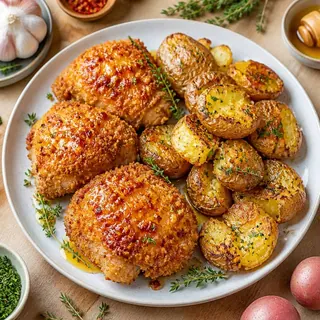
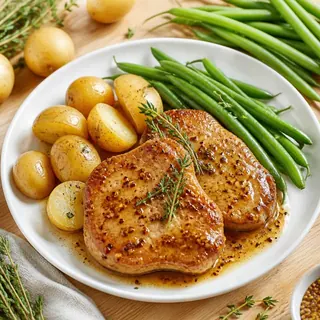
Roasting Potatoes
High heat prompts Maillard reactions for crispy, flavorful exteriors.
The science of potato
- Potato starch is made of two molecules: amylose and amylopectin. Floury potatoes like russets are high in amylose, so their cells separate into a dry, fluffy texture, which is perfect for mash, baking and fries. Waxy potatoes are lower in amylose and hold their shape, ideal for salads and gratins.
- When potatoes cook, starch granules absorb water and swell in a process called gelatinisation, which softens them. Overworking hot potatoes ruptures those swollen cells and releases sticky starch, which is why mash turns gluey in a food processor.
- Crispy roast potatoes come from parboiling, roughing up the surface, and roasting hot in fat. The roughed-up starch forms a crust that dehydrates and browns through the Maillard reaction.
- Potatoes exposed to light make green chlorophyll and, alongside it, solanine, a bitter natural toxin. Cut away green patches and sprouts generously, and throw out potatoes that are very green or taste bitter.
- Storing potatoes in the fridge turns some starch into sugar, so they taste sweeter and can brown too dark when fried or roasted at high heat.
How to choose potato
Choose firm, heavy potatoes with smooth skins and no green patches, soft spots, sprouts or wrinkles. Pick floury varieties such as russet or Maris Piper for mash, chips and baking; waxy ones such as new potatoes, fingerlings or red potatoes for salads and boiling; and all-rounders such as Yukon Gold for almost everything.

Substitutes for potato
| Swap | Amount | What changes |
|---|---|---|
| Sweet potato | 1:1 | Sweeter and softer; great roasted or mashed but less crisp as fries. |
| Celeriac | 1:1 | Earthy and celery-scented; makes a lighter mash, often mixed half and half with potato. |
| Cauliflower | 1:1 by weight | A lower-starch mash or roast; milder and wetter, so drain it well. |
| Parsnip | 1:1 | Sweet, nutty and great roasted alongside or instead of potatoes. |
What goes with potato
- Butter. Butter coats potatoes in rich fat, creating classic comfort.
- Cream. Cream softens potato in a gratin, and its fat carries the starch's mild flavor.
- Leek. Leeks and potato are the classic soup pair, sweet allium and soft starch.
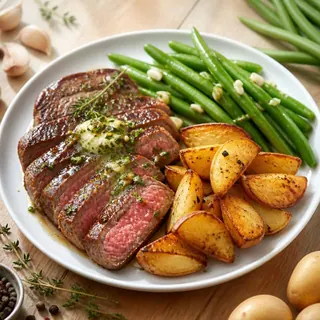
- Ribeye. Starchy potato soaks up ribeye's fat and juices, the classic steakhouse side.
- Rosemary. Rosemary's piney aroma pops against potatoes' starchiness.
- Sour Cream. Sour cream's tang cuts through potato's mild starchiness.
- Garlic. Potato soaks up garlic's flavor and softens its bite in roasts and mash.
- Gruyere. Melted gruyere adds nutty richness to starchy potato gratins.
- Mayonnaise. Mayonnaise's fat and tang coat potato's starch in potato salad.
- Vinegar. Vinegar's sharp acid cuts through fried potato's starch and oil.
Mistakes to avoid
- Overmixing mashes starch into gluey mess.
- Starch converts to sugar in cold storage, changing taste.
Ideas for tonight
- Baked potatoes
- Potato gratin
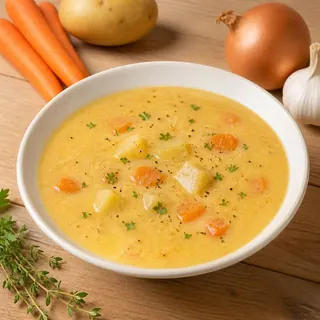
- Potato soup
Potato: questions
What is the difference between waxy and floury potatoes?
Floury potatoes, such as russets, are high in starch and fall apart into a light, fluffy texture, which suits mash, baked potatoes and fries. Waxy potatoes, such as new or red potatoes, are firmer and hold their shape, which suits salads, boiling and gratins.
Are green potatoes safe to eat?
Green patches signal that solanine, a bitter natural toxin, may have built up. Peel or cut away all the green and any sprouts. If a potato is green all over or tastes bitter, throw it out.
Should you store potatoes in the fridge?
It is best not to. Cold turns some of the starch into sugar, which makes them taste sweeter and brown too dark when roasted or fried. A cool, dark cupboard or cellar is ideal.
How do you make crispy roast potatoes?
Parboil chunks in salted water for about 8 minutes, drain, shake to rough up the edges, then roast in hot fat at 220°C (425°F) for 40–50 minutes, turning once. Duck fat or olive oil both work brilliantly.
Can you freeze potatoes?
Raw potatoes turn grainy and watery when frozen. Cook them first: blanched chips, parboiled roast potatoes and mash all freeze well for up to 3 months.
Do you need to peel potatoes?
No. Potato skin is edible and adds texture and flavour. Scrub well, and peel only for very smooth mash, or if the skin is thick, damaged or green.
Why is my mashed potato gluey?
It was overworked, often in a blender or food processor, which bursts the starch cells. Use floury potatoes, mash gently with a masher or ricer, and add warm butter and milk.
What does potato taste like?
Potatoes offer texture variations from amylose and amylopectin starches. Its strongest notes are earthy, with an aroma that is earthy, starchy.
What goes well with potato?
Potato pairs best with butter, cream, leek, ribeye, rosemary. Butter coats potatoes in rich fat, creating classic comfort.
How do you use potato in cooking?
Mashed Potatoes: heat gelatinizes starch, softening cells for mashing.
How should you store potato?
Store in a cool, dark, dry place to prevent sprouting and greening.
What is the most common mistake with potato?
Overmixing mashes starch into gluey mess.
 Butter
 Cream
 Leek
 Garlic
 Rosemary
 Sweet Potato
 Gruyere
 Ribeye