
Gruyere
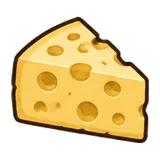
Gruyere's nutty sweetness is ideal for melting, perfect for fondue or quiche.
Gruyère is a firm Swiss cow's-milk cheese from the area around the town of Gruyères, aged for months in cool cellars. It tastes nutty, sweet and savoury, with warm, brothy, slightly caramel notes that deepen with age.
Cooks love Gruyère because it is a superb melter with real flavour. It is the star of fondue, the golden lid on French onion soup and the secret to a great croque monsieur, quiche or potato gratin.
Flavor profile
Aroma: nutty, creamy, complex
Good to know
Origin: Switzerland
Forms: block, slice, shredded
Season: Available year-round; it shines in cold-weather cooking like fondue, gratins and onion soup.
Nutrition: A source of protein and calcium, and rich in fat and salt; contains dairy.
Storage: Wrap Gruyère in wax paper, then loosely in foil or a bag, and keep it in the fridge's cheese drawer. A wedge lasts 3–4 weeks once cut. If it dries out or a small spot of mould appears, cut away at least 2.5 cm (1 inch) around it. Grated Gruyère freezes well for up to 6 months and can go straight into gratins and sauces from frozen.
How to use gruyere
Fondue Essentials
Add white wine for acidity to keep casein proteins from clumping.
Quiche Dreams
Slow-melt Gruyere for custard-like smoothness without breaking proteins.
The science of gruyere
- During ageing, enzymes break proteins into amino acids such as glutamate, giving Gruyère its deep, savoury, brothy taste and sometimes tiny crunchy crystals.
- Its balance of moisture and fat lets Gruyère melt smoothly without turning rubbery. Over high heat, though, the protein network tightens and squeezes out fat, leaving it oily.
- In fondue, the tartaric acid in white wine and a little starch help keep the casein proteins from clumping, so the cheese stays silky instead of stringy.
- Under a grill, Gruyère's proteins and small amounts of sugar brown through the Maillard reaction, creating that toasty crust on onion soup.
How to choose gruyere
Look for Swiss Gruyère AOP for the real thing; the age on the label tells you the flavour. Younger Gruyère (around 5–6 months) melts best, while cave-aged or reserve wheels (10 months or more) are bolder for cheeseboards. Buy it in a wedge and grate it yourself.

Substitutes for gruyere
| Swap | Amount | What changes |
|---|---|---|
| Comté | 1:1 | French cousin with a very similar nutty, sweet taste; the best swap. |
| Emmental | 1:1 | Milder and stretchier; good for fondue and toasties. |
| Jarlsberg | 1:1 | Sweet and mild, melts well; easy to find. |
| Aged white cheddar | 1:1 | Sharper and less nutty, but works in gratins and quiche. |
What goes with gruyere
- Onion. Onions' caramelization sweetens and contrasts with gruyere’s nuttiness.
- Potato. Melted gruyere adds nutty richness to starchy potato gratins.
- Thyme. Thyme's earthy notes match gruyere's complex, nutty flavor.
- White Wine. White wine cuts through gruyere's creaminess with its acidity.
- Mushroom. Mushrooms' umami deepens gruyere’s complex flavor.
- Cauliflower. Gruyere's nutty, savory melt suits mild cauliflower in a gratin.
- Nutmeg. Nutmeg's warm sweetness complements gruyere's nutty melted flavor in cheese sauces.
- Pear. Sweet juicy pear contrasts with gruyere's salty nuttiness.
- Walnut. Gruyere and walnut share nutty notes, with creamy and crunchy textures.
- Mustard. Sharp mustard cuts through gruyere's rich fat in croques and fondue.
Mistakes to avoid
- Exposure oxidizes fats, making the cheese hard and stale.
- High heat releases oil, robbing Gruyere of creaminess.
Ideas for tonight
- Gruyere and caramelized onion tart
- French onion soup with gruyere croutons
- Croque monsieur with dijon mustard
Gruyere: questions
What does Gruyère taste like?
Nutty, slightly sweet and savoury, with notes of browned butter and broth. Older Gruyère is stronger, earthier and sometimes slightly crunchy.
Is Gruyère the same as Swiss cheese?
Gruyère is a Swiss cheese, but in North America Swiss cheese usually means an Emmental-style cheese with holes. Gruyère has few or no holes and a richer, nuttier flavour.
What can I use instead of Gruyère?
Comté is the closest match. Emmental, Jarlsberg or a good aged white cheddar also work, especially in gratins and baked dishes.
Why is my Gruyère fondue stringy or oily?
The heat was too high or there was not enough acid. Keep it gentle, use dry white wine and a little cornflour, and stir in a figure-eight as the cheese melts.
Can you freeze Gruyère?
Yes. Grate it and freeze it in a bag for up to 6 months. It loses a little texture, so it is best for cooking rather than a cheeseboard.
Do you remove the rind from Gruyère?
Yes, the hard natural rind is usually trimmed off before eating or grating. You can simmer it in soups or stocks for extra savoury flavour, then fish it out.
What does gruyere taste like?
Gruyere's nutty sweetness is ideal for melting, perfect for fondue or quiche. Its strongest notes are warm, sweet, with an aroma that is nutty, creamy, complex.
What goes well with gruyere?
Gruyere pairs best with onion, potato, thyme, white wine, mushroom. Onions' caramelization sweetens and contrasts with gruyere’s nuttiness.
How do you use gruyere in cooking?
Fondue Essentials: add white wine for acidity to keep casein proteins from clumping.
How should you store gruyere?
Store in the refrigerator wrapped in wax paper and then foil to preserve moisture and flavor.
What is the most common mistake with gruyere?
Exposure oxidizes fats, making the cheese hard and stale.
 Onion
 Potato
 Mushroom
 White Wine
 Nutmeg
 Thyme
 Cheddar
 Brie
