
Cauliflower
Also called white cauliflower
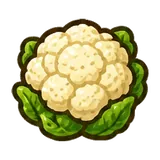
Cauliflower can be eaten raw or cooked, with a focus on nutty tones.
Cauliflower is a brassica, like broccoli and cabbage, grown for its dense white head of undeveloped flower buds (called curds). Raw, it is crunchy and mildly peppery with a faint bitterness; cooked, it turns gently sweet, nutty and earthy.
Cooks love it as a blank canvas that can play many roles. Roast it until golden, blitz it into a creamy soup, rice it, mash it, or smother it in cheese sauce. It soaks up spices like cumin, turmeric and harissa beautifully.
Flavor profile
Aroma: nutty, earthy
Good to know
Origin: Mediterranean
Forms: fresh, frozen, riced
Season: Cauliflower is at its best from late summer through winter, and available year-round.
Nutrition: A vegetable that adds fibre and vitamins, and makes a lighter alternative to starchy sides.
Storage: Store a whole head unwashed in a loose plastic bag in the fridge, stem side up so moisture does not pool on the curds, and use within a week. Pre-cut florets last about 4 days. Small brown spots can be shaved off, but a soft, mushy texture or sour smell means it is finished. To freeze, blanch florets for 3 minutes, chill, dry and freeze for up to 12 months; use them in soups, curries and mash rather than for crispy roasting.
How to use cauliflower
Get that Crunch
Roasting at high heat initiates the Maillard reaction, drying the surface for crispness.
Silky Purees
Boiling gelatinizes starches, blending results in a velvety soup base.
The science of cauliflower
- Cauliflower is low in moisture compared with leafy greens, so its surface dries quickly in a hot oven. At around 220°C (425°F) the Maillard reaction and caramelisation brown the curds and create nutty, toasty flavours.
- Like other brassicas, it contains glucosinolates that break down into sulphur compounds. Short or high-heat cooking keeps them pleasant; long boiling produces the cabbagey smell people dislike.
- White cauliflower is pale because its leaves wrap around the head and shield it from sunlight, so little chlorophyll develops. Orange and purple varieties get their colour from carotenoids and anthocyanins.
- When boiled until very tender, its cell walls soften enough that blending makes a smooth, creamy purée, which is why it works as a lighter swap for mashed potato or a cream soup base.
How to choose cauliflower
Look for a heavy, firm head with tightly packed, creamy-white curds and fresh, green leaves. Avoid heads with brown spots, a speckled grey look or loose, spreading florets. Leaves that hug the head closely are a sign of freshness.

Substitutes for cauliflower
| Swap | Amount | What changes |
|---|---|---|
| Broccoli | 1:1 | Greener and slightly more bitter, but roasts and steams in the same way. |
| Romanesco | 1:1 | A spiky cousin with a sweeter, nuttier taste; perfect for roasting. |
| Potato | 1:1 for mash or soup | Starchier and richer, giving a fluffier mash and thicker soup. |
| Parsnip | 1:1 for roasting | Sweeter and earthier, but browns beautifully at high heat. |
What goes with cauliflower
- Cheddar. Melted cheddar blankets cauliflower, creating a creamy, tangy dish.
- Parmesan. Parmesan's salt and umami season cauliflower's mild, sweet flavor.
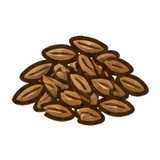
- Cumin. Cumin highlights cauliflower's nuttiness when roasted together.
- Garlic. Garlic's strong aroma overpowers cauliflower's subtle flavor.
- Butter. Butter carries cauliflower's mild aroma and helps browning.
- Lemon. Lemon's acid adds a refreshing contrast to cauliflower's subtlety.
- Capers. Briny, pungent capers cut through cauliflower's mild, sweet flavor, as in roasted Sicilian-style dishes.
- Gruyere. Gruyere's nutty, savory melt suits mild cauliflower in a gratin.
- Hazelnut. Toasted hazelnut adds crunch and nutty sweetness to roasted cauliflower.
- Olive oil. Olive oil helps cauliflower brown and carries its sweet, nutty flavor.
Mistakes to avoid
- Wet cauliflower during roasting results in sogginess instead of caramelization.
- Cooking too long releases sulfur compounds, creating strong odors.
Ideas for tonight
- Roast with olive oil and herbs for simplicity.
- Blend with broth and garlic for a smooth soup.
- Include in curry for flavor absorption.
Cauliflower: questions
How do you make roasted cauliflower crispy?
Cut it into florets, pat them very dry and toss with plenty of oil and salt. Roast on a hot tray at 220°C (425°F) in a single layer for 25–30 minutes, turning once, until deep golden.
Can you eat cauliflower leaves and stem?
Yes. The core is sweet and crunchy when sliced thinly or roasted, and the leaves crisp up like kale chips in the oven. Nothing needs to go to waste.
Can you freeze cauliflower?
Yes. Blanch the florets for about 3 minutes, cool in ice water, dry them and freeze. Thawed cauliflower is softer, so use it in soups, curries or mash.
How do you make cauliflower rice?
Pulse raw florets in a food processor until they look like rice grains, or grate them on a box grater. Cook in a hot, oiled pan for 4–5 minutes so the moisture evaporates and it stays fluffy.
Why does cauliflower smell when cooking?
Cauliflower contains sulphur compounds that break down into stronger-smelling molecules the longer it cooks, especially when boiled. Roasting or brief steaming keeps the smell mild.
What does cauliflower taste like?
Raw cauliflower is crisp, mild and a little peppery. Cooked, it becomes soft, gently sweet and nutty, especially when roasted until browned.
What goes well with cauliflower?
Cauliflower pairs best with cheddar, parmesan, cumin, garlic, butter. Melted cheddar blankets cauliflower, creating a creamy, tangy dish.
How do you use cauliflower in cooking?
Get that Crunch: roasting at high heat initiates the Maillard reaction, drying the surface for crispness.
How should you store cauliflower?
Keep in the refrigerator and use within a week for optimal freshness.
What is the most common mistake with cauliflower?
Wet cauliflower during roasting results in sogginess instead of caramelization.
 Broccoli
 Cabbage
 Cheddar
 Turmeric
 Tahini
 Cumin
 Parmesan
