Parmesan
Also called Parmigiano-Reggiano
Parmesan packs umami from concentrated flavors formed during aging.
Parmesan is a hard, granular cow's milk cheese from northern Italy. True Parmigiano-Reggiano is made in a small protected region and aged for at least 12 months, often much longer. It tastes sharp, nutty and deeply savoury, with a salty, brothy richness and a gentle fruity sweetness in older wheels.
Cooks love parmesan because a little goes a long way. Grated over pasta, risotto or roast vegetables, it adds salt and umami in one go. It is the backbone of pesto, carbonara and Caesar dressing, and the rind can be simmered in soup for extra depth.
Flavor profile
Aroma: nutty, sharp, savory
Good to know
Origin: Italy
Forms: block, grated, shreds
Season: Available year-round; it is an aged cheese, so there is no season.
Nutrition: Parmesan is rich in protein and calcium but also salty, so small amounts deliver plenty of flavour; it contains dairy.
Storage: Wrap a wedge in wax or parchment paper, then loosely in foil or a bag, and keep it in the fridge, where it lasts for 1–2 months or more. Plastic wrap pressed tightly can trap moisture and make it taste stale. Small spots of surface mould on a hard cheese can be cut away with a good margin, but if it smells sour or is mouldy throughout, discard it. Grated parmesan freezes well for several months and can be used straight from frozen. Save the rinds in the freezer for soups and stocks.
How to use parmesan
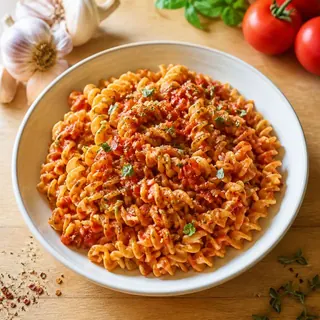
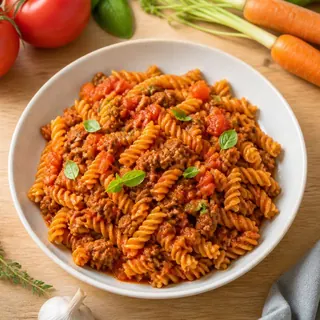
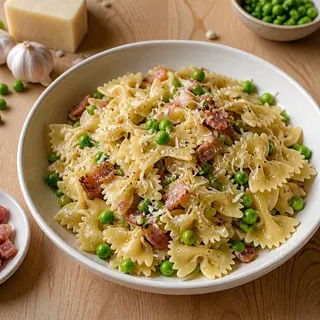
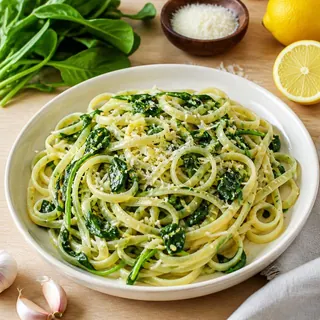
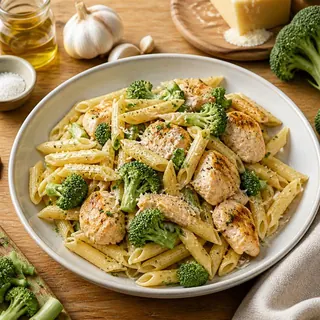
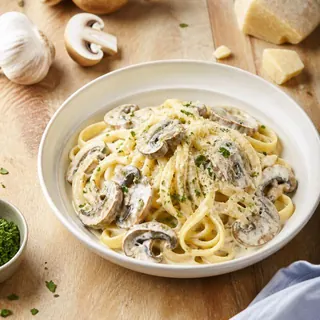
Finishing Pasta Dishes
Melting releases glutamates, giving pasta more umami and creaminess.
Making Risotto
Aged Parmesan's umami works well with the creamy starches from rice sugars.
The science of parmesan
- During long aging, enzymes break the milk protein casein down into free amino acids, especially glutamate. That glutamate is what gives parmesan its intense umami.
- The little crunchy white crystals are mostly the amino acid tyrosine, along with calcium lactate. They are a sign of a well-aged cheese, not mould or salt.
- Parmesan is low in moisture and high in salt, which is why it keeps so well and grates so finely. It also contains very little lactose, since most is lost with the whey or broken down during aging.
- Heat makes grated parmesan melt and then crisp, as its fat renders and the proteins brown. That is how frico, the lacy cheese crisp, is made.
- Adding parmesan to a hot sauce all at once can make it clump, as the proteins tighten. Toss it in off the heat with a splash of starchy pasta water to keep it smooth.
How to choose parmesan
Buy a wedge rather than pre-grated cheese; it tastes fresher and keeps much longer. For the real thing, look for Parmigiano-Reggiano stamped on the rind. Older wheels (24–36 months) are more crystalline and complex, while younger ones are milder and softer.

Substitutes for parmesan
| Swap | Amount | What changes |
|---|---|---|
| Grana Padano | 1:1 | A close cousin; slightly milder and less crystalline, often cheaper. |
| Pecorino Romano | use a little less | Sheep's milk cheese that is saltier and sharper; classic in cacio e pepe. |
| Nutritional yeast | use half as much | A dairy-free way to add cheesy, savoury flavour to pasta and popcorn. |
What goes with parmesan
- Pasta. Parmesan's glutamate provides savory umami to pasta's starch.
- Black pepper. Pepper's sharp heat contrasts with parmesan's nutty salt, as in pepper-crusted cheese and cacio e pepe variants.
- Basil. Basil and parmesan share a savory, sweet aroma that works in harmony.
- Broccoli. Parmesan's salty umami and roasted broccoli's browned edges suit each other.
- Cauliflower. Parmesan's salt and umami season cauliflower's mild, sweet flavor.
- Cream. Parmesan melts into cream and its salt and umami season the sauce, as in cream-style alfredo.
- Eggplant. Parmesan's salty umami seasons eggplant's neutral flesh and browns into a savory crust.
- Pine Nut. Parmesan's salty umami and pine nut's buttery sweetness combine in pesto.
- Rice. Parmesan's salty umami finishes risotto with creamy richness.
- Tomato. Tomato's acidity cuts through parmesan's richness, balancing the dish.
Mistakes to avoid
- Pre-grated cheese loses flavor to air.
- Too much heat makes cheese oily by breaking down casein micelles.
Ideas for tonight
- Parmesan risotto
- Caesar salad with Parmesan
- Grated Parmesan on roast vegetables
Parmesan: questions
Is parmesan the same as Parmigiano-Reggiano?
In Europe, parmesan legally means Parmigiano-Reggiano. Elsewhere, parmesan can be a similar-style cheese made anywhere. The real thing has its name stamped into the rind.
What are the white crystals in parmesan?
They are mostly tyrosine, an amino acid that forms as the cheese ages, plus some calcium lactate. They add crunch and are a sign of a good, mature cheese.
Is parmesan vegetarian?
Traditional Parmigiano-Reggiano is made with animal rennet, so it is not vegetarian. Some parmesan-style cheeses use microbial rennet, so check the label.
What can you do with parmesan rinds?
Simmer them in soups, stews, beans or tomato sauce to add savoury depth, then fish them out. They keep for months in the freezer.
Can you freeze parmesan?
Yes. Grated parmesan freezes well for several months and can be used straight from the freezer. Wedges can be frozen too, though they may crumble a little.
Why does my parmesan clump in pasta sauce?
It is usually too hot or added too fast. Take the pan off the heat, add finely grated cheese gradually, and toss with a little starchy pasta water.
What does parmesan taste like?
Parmesan packs umami from concentrated flavors formed during aging. Its strongest notes are pungent, with an aroma that is nutty, sharp, savory.
What goes well with parmesan?
Parmesan pairs best with pasta, black pepper, basil, broccoli, cauliflower. Parmesan's glutamate provides savory umami to pasta's starch.
How do you use parmesan in cooking?
Finishing Pasta Dishes: melting releases glutamates, giving pasta more umami and creaminess.
How should you store parmesan?
Keep refrigerated, ideally wrapped in wax paper to prevent drying out.
What is the most common mistake with parmesan?
Pre-grated cheese loses flavor to air.
 Pasta
 Black pepper
 Basil
 Pine Nut
 Mushroom
 Cream
 Cheddar
 Mozzarella