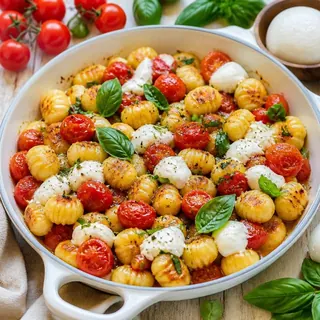
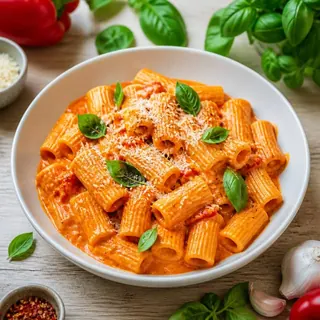
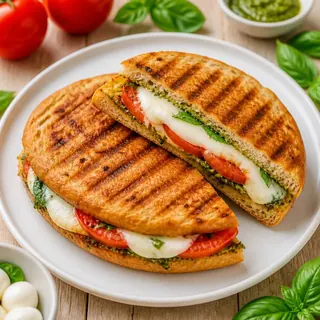
Basil
Also called sweet basil
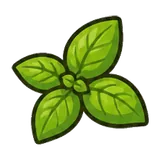
Basil's fragrant oils vanish quickly with heat, so it should be added at the end.
Basil is a soft, tender herb from the mint family, and sweet basil is the one you will find in most shops. It smells sweet and floral, with hints of anise, clove and fresh green leaves, and a gentle peppery bite when you eat it raw.
Cooks love basil because it tastes like summer. It is the soul of pesto and caprese, the perfect partner for ripe tomatoes, and a few torn leaves can lift pasta, pizza, salads and even strawberries in seconds.
Flavor profile
Aroma: anise, clove, fresh
Good to know
Origin: Tropical Asia
Forms: fresh leaf, dried
Season: At its best in summer, roughly June to September outdoors, when tomatoes are ripe too; greenhouse basil is available year-round.
Nutrition: Used in small amounts, so it adds flavour more than nutrition; traditional pesto contains pine nuts and cheese (nut and dairy allergens).
Storage: Trim the stems and stand the bunch in a glass of water at room temperature, away from direct sun, with a loose bag over the top; it keeps for 3–5 days. Avoid the fridge, which blackens the leaves. To freeze, blend leaves with olive oil and freeze in ice-cube trays for up to 6 months, or freeze pesto without the cheese and stir it in later. Throw away basil that is slimy or smells musty.
How to use basil
Add last
Tear leaves into the dish off the heat. Its aroma compounds evaporate quickly when cooked.
Tear, do not chop
A knife bruises the leaf and it blackens as enzymes react with air; tearing keeps it greener.
The science of basil
- Basil's aroma comes from volatile oils stored in tiny glands on the leaf surface: linalool for floral notes, estragole for anise and eugenol for clove. These evaporate quickly in heat, which is why basil tastes best added at the end.
- Basil is chill-sensitive. Below about 10°C (50°F) its cell membranes are damaged, and the leaves darken and go limp, which is why the fridge turns it black.
- Bruising or cutting basil breaks cells and lets the enzyme polyphenol oxidase react with oxygen, turning cut edges dark. Using a very sharp knife or tearing just before serving keeps it greener.
- For bright green pesto, blanch the leaves for a few seconds and plunge them into iced water. The heat stops the browning enzyme, and coating the leaves in oil also slows oxidation.
- Many of basil's aroma compounds dissolve in fat, so olive oil, cheese and pine nuts carry its scent around the mouth. That is part of why pesto tastes so intensely of basil.
How to choose basil
Look for bright green, perky leaves with no dark spots, slime or wilting. Smell the bunch: it should be sweet and strong. Potted basil from the supermarket lasts longer than cut bunches if you keep it on a sunny windowsill and water it from below.

Substitutes for basil
| Swap | Amount | What changes |
|---|---|---|
| Dried basil | 1 tsp dried per 1 tbsp fresh | Fine for sauces and soups, but it tastes more like hay than fresh basil, so add it early. |
| Thai basil | 1:1 | Stronger anise and liquorice notes; great in stir-fries, bolder in Italian dishes. |
| Fresh mint + parsley | half and half, 1:1 total | Gives a fresh, green lift to salads and tomatoes when you have no basil. |
| Spinach or rocket in pesto | replace up to half the basil | Keeps the pesto green and fresh; rocket adds a peppery edge. |
What goes with basil
- Tomato. Basil's sweet, anise-like oils echo the fruity notes in tomato and soften its acid.
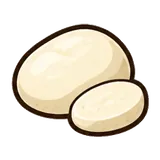
- Mozzarella. Basil adds a peppery brightness to mozzarella's mild creaminess.
- Olive oil. Olive oil's fat carries basil's volatile oils to coat your palate in flavor.
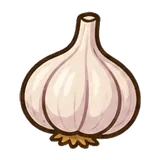
- Garlic. Garlic’s pungency and basil's anise notes create a classic aromatic profile.
- Parmesan. Basil and parmesan share a savory, sweet aroma that works in harmony.
- Pasta. Basil's aroma shares eugenol with tomato and pairs with pasta's bland base.
- Lemon. Lemon's acid highlights basil's sweet, bright aroma.
- Pine Nut. Pine nuts provide a creamy base for basil's fresh aroma.
- Eggplant. Basil's aroma lightens eggplant's deeper taste.
- Tomato Paste. Basil's sweet anise notes contrast the acidity in tomato paste.
Mistakes to avoid
- Simmering it for a long time, which leaves a flat, grassy taste.
- Storing it in the fridge, where cold turns the leaves black.
Ideas for tonight
- Tear over warm tomatoes with olive oil.
- Blend with garlic and oil into a quick sauce.
- Scatter over a margherita-style flatbread.
Basil: questions
Why does basil turn black?
Two reasons: cold and bruising. Below about 10°C (50°F) the leaves suffer chill damage, and cut or crushed leaves brown as enzymes react with air. Keep basil out of the fridge and tear or slice it just before serving.
Should you cook basil or add it at the end?
Add it at the end. Basil's aroma oils evaporate quickly in heat, so long simmering leaves only a flat, grassy taste. If you want basil in a sauce, add a few stems early and fresh leaves just before serving.
How much dried basil equals fresh?
Use about 1 teaspoon of dried basil for every tablespoon of chopped fresh. Dried basil tastes different, more like hay and less floral, so it works best in cooked sauces rather than salads.
Can you freeze basil?
Yes, but whole leaves turn black when frozen. Blend the leaves with olive oil and freeze in ice-cube trays, or freeze pesto without the cheese. Use within about 6 months.
Is Thai basil the same as regular basil?
They are related but different. Thai basil has purple stems, sturdier leaves and a strong anise flavour that holds up better to cooking. Sweet basil is softer and more floral.
Can you eat basil stems?
Yes. Tender upper stems are full of flavour and can be blended into pesto. Thicker, woody lower stems are better simmered in a sauce and removed.
What does basil taste like?
Basil's fragrant oils vanish quickly with heat, so it should be added at the end. Its strongest notes are floral, sweet, with an aroma that is anise, clove, fresh.
What goes well with basil?
Basil pairs best with tomato, mozzarella, olive oil, garlic, parmesan. Basil's sweet, anise-like oils echo the fruity notes in tomato and soften its acid.
How do you use basil in cooking?
Add last: tear leaves into the dish off the heat. Its aroma compounds evaporate quickly when cooked.
How should you store basil?
Keep stems in a glass of water at room temperature; the fridge blackens the leaves.
What is the most common mistake with basil?
Simmering it for a long time, which leaves a flat, grassy taste.
 Tomato
 Mozzarella
 Olive oil
 Garlic
 Parmesan
 Pine Nut
 Mint
 Oregano