
Mint

Mint brings a cooling sensation to sweet and savory dishes.
Mint is a fast-growing, fragrant herb with bright green leaves. Spearmint, the kind most often sold for cooking, tastes sweet, fresh and cool; peppermint is sharper and much more menthol-heavy.
Cooks love mint because it is a cooling counterpoint to rich, hot and spicy food. It lifts lamb, yogurt sauces, peas and grain salads, freshens fruit and chocolate, and is the star of mojitos and mint tea. A little goes a long way.
Flavor profile
Aroma: cool, refreshing
Good to know
Origin: Europe and Asia
Forms: fresh, dried
Season: Fresh mint is at its peak from late spring to early autumn; shop-bought mint is available year-round.
Nutrition: Used in small amounts, so it adds flavour more than nutrition.
Storage: Trim the stems and stand the bunch in a glass of water in the fridge with a loose bag over the top, or wrap it in damp paper towel; it keeps about 1 week. To freeze, chop it into ice-cube trays with water or juice for drinks, or with oil for cooking, for up to 6 months. Dried mint keeps about a year in an airtight jar. Discard fresh mint that turns black or slimy.
How to use mint
Finishing Touch
Add mint at the end; menthol oils give it its crisp, cool taste.
Minty Drinks
Steeping mint brings a refreshing aroma with menthol oils.
The science of mint
- Menthol, the main compound in peppermint, triggers the TRPM8 receptors in your mouth that normally sense cold. Nothing actually gets colder; your nerves are tricked into feeling a chill.
- Spearmint gets its sweeter, gentler aroma from carvone, the same molecule (in its mirror-image form) that gives caraway its scent. It has much less menthol, which is why it suits savoury cooking.
- Mint's aroma oils sit in tiny glands on the leaf surface. A gentle press or muddle releases them; pounding or shredding hard can bring out grassy, bitter notes along with the aroma.
- Cut and bruised mint darkens as the enzyme polyphenol oxidase reacts with air, so slice it just before serving. Long cooking also drives off its volatile oils.
- Dried mint keeps more of its character than many soft herbs and has a deeper, hay-like taste. It is prized in Turkish, Persian and Middle Eastern cooking, often sizzled in butter or oil.
How to choose mint
Choose bunches with bright, perky leaves and no dark spots, slime or wilting. Smell it: spearmint should smell sweet and fresh, peppermint sharp and cool. For cooking, spearmint is usually the better choice; save peppermint for teas and sweets.

Substitutes for mint
| Swap | Amount | What changes |
|---|---|---|
| Dried mint | 1 tsp dried per 1 tbsp fresh | Earthier and less sharp; great in yogurt sauces, soups and spice rubs. |
| Basil | 1:1 | Brings sweet, fresh notes to salads and fruit, without the cooling effect. |
| Parsley + a little lemon zest | 1:1, plus a pinch of zest | A fresh green swap in tabbouleh and grain salads. |
| Peppermint extract | 1–2 drops per handful of leaves | Only for sweets and drinks; it is very concentrated. |
What goes with mint
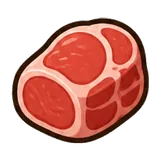
- Lamb Shoulder. Mint's menthol cuts through the fat in lamb shoulder.
- Yogurt. Mint’s coolness heightens yogurt’s tangy creaminess.
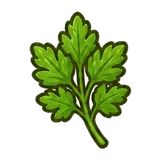
- Parsley. Parsley and mint provide a refreshing aroma contrast in salads.
- Lime. Lime's acidity uplifts mint's cooling aroma in drinks and salads.
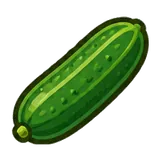
- Cucumber. Cucumber and mint share cooling notes perfect for crisp salads.
- Peas. Mint's menthol freshens the sweet earthiness of peas.
- Lentil. Mint's freshness contrasts lentils' heaviness.
- Strawberry. Mint adds refreshing contrast to strawberry's sweetness.
- Sumac. Mint's cooling menthol contrasts sumac's acidity.
- Feta. Mint's cooling effect balances feta's sharpness.
Mistakes to avoid
- Heat destroys menthol, losing freshness.
- Too much mint overpowers with menthol.
Ideas for tonight
- Incorporate into lamb dishes.
- Add to fruit salads.
- Mix into summer cocktails like mojitos.
Mint: questions
Why does mint feel cold?
Menthol in mint activates TRPM8, the receptor in your mouth that senses cold. Your brain reads it as a chill even though nothing has changed temperature. Peppermint, with more menthol, feels much colder than spearmint.
What is the difference between spearmint and peppermint?
Spearmint is sweeter and milder, flavoured mainly by carvone, so it is the usual choice for cooking. Peppermint has much more menthol and tastes sharp and icy, so it suits tea, chocolate and sweets.
How do you keep fresh mint from wilting?
Stand the stems in a glass of water, cover loosely with a bag and refrigerate. Don't wash it until you need it, and change the water every couple of days.
Can you freeze mint?
Yes. Freeze chopped leaves in ice-cube trays with water for drinks or with oil for cooking. Frozen mint loses its crispness, so use it in sauces, soups and drinks rather than as a garnish.
Does mint go with savoury food?
Absolutely. Mint is classic with lamb, peas, potatoes, yogurt, lentils, feta and grain salads. It also balances chilli heat in Indian, Thai and Vietnamese dishes.
Why does mint turn black when chopped?
Cutting breaks the leaf cells, and an enzyme reacts with oxygen to darken the edges. Use a very sharp knife, chop it just before serving, or tear the leaves gently instead.
What does mint taste like?
Mint brings a cooling sensation to sweet and savory dishes., with an aroma that is cool, refreshing.
What goes well with mint?
Mint pairs best with lamb shoulder, yogurt, parsley, lime, cucumber. Mint's menthol cuts through the fat in lamb shoulder.
How do you use mint in cooking?
Finishing Touch: add mint at the end; menthol oils give it its crisp, cool taste.
How should you store mint?
Store fresh mint refrigerated in damp paper towels; dry mint should be airtight and kept cool.
What is the most common mistake with mint?
Heat destroys menthol, losing freshness.
 Lamb Shoulder
 Yogurt
 Cucumber
 Parsley
 Cilantro
 Peas
 Feta
 Strawberry
