Yogurt
Also called plain yogurt

Yogurt is tangy from lactic acid, which tenderizes meat and cools spice.
Yogurt is milk that friendly bacteria have fermented, turning some of its sugar into lactic acid. That acid thickens the milk and gives yogurt its fresh, tangy flavour, gently sour with a creamy, slightly sweet finish. Greek and strained styles are thicker and richer because much of the watery whey has been drained away.
Cooks across Central Asia, India and the Middle East have used yogurt for centuries. It tenderises meat in marinades, cools fiery curries, becomes raita and tzatziki with cucumber and mint, and adds tang to cakes and flatbreads. It is breakfast, sauce and secret ingredient all at once.
Flavor profile
Aroma: tangy, creamy, fresh
Good to know
Origin: Central Asia and the Middle East
Forms: plain, Greek, strained
Season: Available year-round as a fridge staple.
Nutrition: Yogurt is a good source of protein and calcium; it contains dairy.
Storage: Keep yogurt sealed in the fridge and use it by the date on the pot, or within about a week to 10 days once opened. The clear liquid on top is whey, and you can stir it back in. Throw it out if you see mould, pink or fuzzy spots, or if it smells yeasty or sharply off rather than pleasantly sour. Yogurt can be frozen for about 2 months, but it thaws grainy, so use it in baking, smoothies or cooked sauces.
How to use yogurt
Marinate
Mild acid and calcium in yogurt soften meat in a few hours without turning it mushy like strong acids do.
Stir in off heat
Warm gradually or add off heat so proteins don't split into curds.
The science of yogurt
- Yogurt cultures, usually Lactobacillus bulgaricus and Streptococcus thermophilus, ferment lactose into lactic acid. As the pH drops, the milk protein casein clumps into a soft gel, which is why yogurt is thick.
- In marinades, the mild acid and enzymes gently loosen proteins on the surface of meat, helping it stay tender and brown well without turning mushy the way stronger acids can.
- Yogurt curdles in hot sauces because heat makes the already-acid casein proteins tighten and squeeze out water. Full-fat yogurt, low heat, and stirring in a spoonful of flour or cornflour help stop it splitting.
- Its fat and proteins coat the mouth and its coolness contrasts with chilli, so yogurt makes spicy dishes feel gentler. Capsaicin dissolves in fat, which helps carry the heat away.
- Greek yogurt is strained to remove whey, concentrating protein and fat. That makes it thicker, richer and more heat-stable than regular yogurt.
How to choose yogurt
For cooking, choose plain, unsweetened yogurt; full-fat is creamier and less likely to split. Greek or strained yogurt is best for dips and thick sauces, while regular plain yogurt is good in marinades and baking. Look for live cultures on the label if you like a lively tang.

Substitutes for yogurt
| Swap | Amount | What changes |
|---|---|---|
| Sour cream | 1:1 | Richer and slightly less tangy; great in dips and baking. |
| Buttermilk | 1:1 in baking and marinades | Thinner, but brings the same acid to tenderise and lift batters. |
| Coconut yogurt | 1:1 | A dairy-free option for dips and curries, with a mild coconut flavour. |
| Crème fraîche | 1:1 | Richer and much more heat-stable in hot sauces. |
What goes with yogurt
- Cucumber. Yogurt's tanginess contrasts cucumber’s fresh crunch.
- Mint. Mint’s coolness heightens yogurt’s tangy creaminess.
- Chicken thigh. Yogurt's lactic acid gently tenderizes chicken thigh and its fat tempers spice.
- Lamb Shoulder. Yogurt's lactic acid tenderizes lamb and tames its gamey edge in marinades.
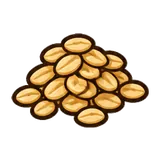
- Oats. Yogurt's tang and cream soften oats overnight.
- Cumin. Cool, tangy yogurt balances cumin's earthiness and mellows its bitterness.
- Honey. Honey’s sweetness balances yogurt’s natural tartness.
- Dill. Dill's herbal notes highlight yogurt’s tang.
- Saffron. Yogurt’s tangy creaminess softens saffron’s floral notes.
- Banana. Yogurt's tangy acidity cuts through banana's sweetness, lightening the palate.
Mistakes to avoid
- Boiling yogurt straight in a sauce, which curdles it.
- Using sweetened yogurt in savory dishes.
Ideas for tonight
- Mix with cumin, lime and salt as a sauce.
- Marinate chicken thighs overnight with garlic.
- Spoon over spicy rice to cool it down.
Yogurt: questions
What is the difference between Greek yogurt and plain yogurt?
Greek yogurt is strained to remove most of the whey, so it is thicker, higher in protein and tangier. Regular plain yogurt is runnier and milder.
How do you stop yogurt curdling in a curry?
Use full-fat yogurt at room temperature, stir in a teaspoon of flour or cornflour first, and add it off the heat or over low heat. Don't let the sauce boil afterwards.
Can you freeze yogurt?
Yes, for about 2 months, but the texture turns grainy as it thaws. Frozen yogurt is fine for smoothies, baking and cooked sauces.
Why does yogurt make meat tender?
Its mild lactic acid and enzymes gently loosen surface proteins over a few hours. Unlike strong vinegar or citrus, it doesn't turn the meat chalky.
What is the liquid on top of yogurt?
That is whey, the watery part of milk. It is safe and full of protein, so just stir it back in.
What can I use instead of yogurt?
Sour cream, crème fraîche or buttermilk work in most recipes. For a dairy-free swap, use coconut or another plant-based yogurt.
What does yogurt taste like?
Yogurt is tangy from lactic acid, which tenderizes meat and cools spice., with an aroma that is tangy, creamy, fresh.
What goes well with yogurt?
Yogurt pairs best with cucumber, mint, chicken thigh, lamb shoulder, oats. Yogurt's tanginess contrasts cucumber’s fresh crunch.
How do you use yogurt in cooking?
Marinate: mild acid and calcium in yogurt soften meat in a few hours without turning it mushy like strong acids do.
How should you store yogurt?
Refrigerate sealed and use by the date; liquid on top is whey and can be stirred in.
What is the most common mistake with yogurt?
Boiling yogurt straight in a sauce, which curdles it.
 Cucumber
 Mint
 Lamb Shoulder
 Chicken thigh
 Cumin
 Oats
 Sour Cream
 Milk