
Dill
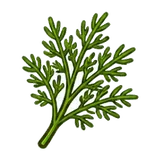
Dill offers a unique, anise-like freshness with bright, citrusy notes.
Dill is a feathery, delicate herb from the same family as parsley and fennel. Its fronds taste fresh, grassy and gently anise-like, with a bright, almost lemony edge and a hint of caraway.
Cooks love dill because it makes rich and tangy foods taste clean. It is essential in Scandinavian gravlax, Eastern European pickles and soups, Greek tzatziki and Persian rice dishes, and it is a natural partner for salmon, potatoes, cucumber and sour cream.
Flavor profile
Aroma: anise-like, fresh
Good to know
Origin: Western Asia
Forms: fresh, dried
Season: Fresh dill is at its best from early to late summer, which is also pickling season; it is available in shops year-round.
Nutrition: Used in small amounts, so it adds flavour more than nutrition.
Storage: Wrap fresh dill loosely in a damp paper towel and store it in a bag or box in the fridge for up to a week, or stand it in a jar of water with a bag over the top. Dill freezes well: freeze whole sprigs in a bag and snip them from frozen, or chop into ice-cube trays with water or oil, for up to 6 months. Dried dill keeps about a year in an airtight jar. Throw out dill that has gone slimy or black.
How to use dill
Finishing Fish
Add dill before serving; limonene oils boost fish notes.
Pickle Power
Dill's carvone oils add brightness to pickles.
The science of dill
- Dill's signature aroma comes from a mix that includes carvone (also found in caraway), limonene (citrus) and a compound often called dill ether, which gives fresh dill its distinctive green, herby smell.
- Dill seed is richer in carvone and tastes more like caraway, warm and slightly bitter. The fronds (dill weed) are lighter and fresher, so the two are used differently: seeds and flower heads for pickles, fronds for finishing.
- The fronds are thin and full of volatile oils that evaporate quickly in heat. Stir dill in at the end of cooking, or use it raw, to keep its bright aroma.
- In pickles, dill's aroma compounds dissolve into the brine over days, while vinegar or lactic fermentation provides acid. That slow infusion is why dill pickles taste so strongly of the herb.
- Fat carries dill's aroma well, so sour cream, yogurt, butter and oily fish make it taste fuller and rounder than it does on its own.
How to choose dill
Pick dill with bright green, feathery fronds that look fresh and fluffy, not limp, yellowing or slimy. It should smell strongly fresh and anise-like. For pickling, look for bunches with the yellow flower heads still attached.

Substitutes for dill
| Swap | Amount | What changes |
|---|---|---|
| Fennel fronds | 1:1 | Similar feathery look with a sweeter anise taste; good with fish and salads. |
| Dried dill | 1 tsp dried per 1 tbsp fresh | Works in dips, dressings and soups, but is less bright than fresh. |
| Parsley + a pinch of fennel seed | 1:1, plus a pinch | Gives a green freshness with a hint of anise. |
| Dill seed (for pickles) | 1 tsp seed per head of dill | Ideal in brines; it gives a warmer, caraway-like note. |
What goes with dill
- Salmon. Dill's fresh, caraway-like aroma cuts through salmon's rich, oily flesh.
- Lemon. Lemon highlights dill's bright, anise-like flavors in dishes.
- Vinegar. Dill and vinegar are the core of classic dill pickles.
- Yogurt. Dill's herbal notes highlight yogurt’s tang.
- Sour Cream. Sour cream's tangy fat base carries dill's aroma in sauces.
- Cucumber. Cucumber's mildness allows dill's anise-like notes to shine in salads.
- Potato. Dill's fragrance brightens potato's earthy starchiness.
- Beet. Dill's bright aroma contrasts beet's dense earthiness.
- Cod. Dill's aromatics bring freshness to cod's mildness.
- Halibut. Dill's aromatic oils echo halibut's delicate, mild flavor.
Mistakes to avoid
- Long cooking loses dill's aroma.
- Too much dried dill overwhelms with anise-like carvone.
Ideas for tonight
- Sprinkle over grilled salmon.
- Mix into tzatziki sauce.
- Add to chopped cucumbers for a quick pickle salad.
Dill: questions
What does dill taste like?
Fresh dill tastes grassy and gently anise-like, with a bright, lemony edge and a hint of caraway. It is lighter and fresher than fennel. Dill seed tastes warmer and more like caraway.
What is the difference between dill weed and dill seed?
Dill weed is the feathery leaf, fresh or dried, with a light, fresh taste. Dill seed is the dried fruit of the plant and tastes warmer and more like caraway. Seeds suit pickles and breads; fronds suit fish, salads and sauces.
Can you freeze fresh dill?
Yes, dill freezes very well. Freeze whole sprigs in a bag and snip off what you need while still frozen, or chop it into ice-cube trays with a little water or oil. Use within about 6 months.
How much dried dill equals fresh?
Use about 1 teaspoon of dried dill for every tablespoon of chopped fresh. Dried dill works in creamy dips and dressings, but fresh tastes much brighter.
Is dill the same as fennel?
No, though they are related and look alike. Fennel has a sweeter, stronger anise flavour and a bulb you can eat, while dill is grassier and more delicate. Fennel fronds make a decent dill substitute.
When should you add dill to a dish?
Add fresh dill at the end of cooking or use it raw, because heat quickly drives off its aroma. In pickles and soups, dill seeds or flower heads can go in early.
What goes well with dill?
Dill pairs best with salmon, lemon, vinegar, yogurt, sour cream. Dill's fresh, caraway-like aroma cuts through salmon's rich, oily flesh.
How do you use dill in cooking?
Finishing Fish: add dill before serving; limonene oils boost fish notes.
How should you store dill?
Store fresh dill wrapped in a damp paper towel in the fridge; keep dried dill airtight in a cool place.
What is the most common mistake with dill?
Long cooking loses dill's aroma.
 Salmon
 Cucumber
 Yogurt
 Sour Cream
 Lemon
 Potato
 Beet
 Vinegar
