
Halibut
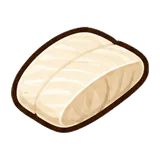
Halibut's mild taste and firm texture suit searing or baking, allowing for delicate pairings.
Halibut is a large, flat white fish from the cold waters of the North Pacific and North Atlantic. Its flesh is mild, gently sweet and clean-tasting, with a buttery, oceanic note and firm, meaty flakes.
Cooks love halibut because it holds together beautifully in the pan or on the grill, yet stays delicate enough for lemon, herbs and light sauces. It is a perfect first fish for people who say they don't like fish.
Flavor profile
Aroma: mild, butter, oceanic
Good to know
Origin: Northern Hemisphere oceans
Forms: fillets, steaks
Season: Wild Pacific halibut is typically in season from spring to autumn; frozen fillets are available year-round.
Nutrition: A lean source of protein; halibut is fish, a common allergen.
Storage: Keep fresh halibut in the coldest part of the fridge, ideally on ice, and cook within 1–2 days. It freezes well for 3–6 months when tightly wrapped or vacuum sealed; thaw overnight in the fridge on a plate. Cooked halibut keeps 2–3 days chilled but dries out on reheating, so it is best flaked into salads or tacos. A strong fishy or ammonia smell, dull grey colour or slimy surface means it has spoiled.
How to use halibut
A Kind Sear
Sear it to develop a crust via the Maillard reaction. Keep moisture that lends natural sweetness.
Baked, Not Dried
Bake with lemon to keep moisture, leading to flaky tenderness.
The science of halibut
- Halibut is very lean, with little fat between its muscle fibres. That makes it mild and firm, but also quick to dry out once the proteins pass about 60°C (140°F) and squeeze out moisture.
- Fish muscle has short fibres held together by thin sheets of connective tissue that melt at fairly low temperatures. That is why halibut flakes into big, glossy pieces when it is cooked through.
- A golden crust comes from the Maillard reaction on a dry surface. Patting fillets dry and using a hot, oiled pan gives browning before the inside overcooks.
- Gentle methods like baking in parchment (en papillote) or poaching in wine trap steam around the fish, keeping it moist while acids like lemon and white wine sharpen its subtle sweetness.
How to choose halibut
Fresh halibut should look translucent and pearly white, feel firm and spring back when pressed, and smell like clean sea water, never fishy. Choose thick, centre-cut fillets for even cooking. Frozen-at-sea halibut is excellent and often fresher than fish sold as fresh far from the coast.

Substitutes for halibut
| Swap | Amount | What changes |
|---|---|---|
| Cod | 1:1 | Softer, larger flakes and a little more delicate; cook gently. |
| Sea bass | 1:1 | Similar sweetness with slightly richer flesh; great seared skin-on. |
| Haddock or pollock | 1:1 | Budget-friendly mild white fish that suit baking and frying. |
| Turbot | 1:1 | A flatfish cousin with an even finer, more luxurious texture. |
What goes with halibut
- Lemon. Lemon's high acidity brightens halibut's flavor, contrasting its buttery texture.
- Dill. Dill's aromatic oils echo halibut's delicate, mild flavor.
- Olive oil. Olive oil helps keep halibut moist by coating it in a layer of fat.
- Tomato. Tomato acid and umami intensify halibut's savory flavors.
- Peas. Sweet peas complement halibut's delicate flavor without overpowering it.
- White Wine. Wine acid brightens halibut in steamed or poached preparations.
- Ginger. Ginger adds a spicy warmth, cutting through halibut's richness.
- Parsley. Fresh parsley lifts halibut's mild flavor with a clean green note.
- Shallot. Mild shallot sweetness suits halibut's delicate flesh.
- Thyme. Thyme's gentle herbal oils flatter halibut's delicate flavor.
Mistakes to avoid
- Overcooked above 145°F leads to dryness and toughness.
- Too much salt obliterates subtle amine flavors.
Ideas for tonight
- Pan-seared halibut with lemon butter sauce and asparagus
- Halibut en papillote with capers and tomatoes
- Grilled halibut tacos with lime crema
Halibut: questions
What does halibut taste like?
Halibut tastes mild, clean and slightly sweet, with a firm, meaty texture and large flakes. It isn't fishy, so it pairs well with lemon, butter, herbs and light sauces.
What temperature should halibut be cooked to?
Food-safety guidance for fish is 63°C (145°F), when the flesh is opaque and flakes easily. Many chefs pull halibut a little earlier, around 55°C (130°F), and let it finish as it rests, because it dries out quickly.
How long do you bake halibut?
At 200°C (400°F), allow about 10 minutes per 2.5 cm (1 inch) of thickness. Check a few minutes early; it is ready when it flakes with a fork.
Is halibut better than cod?
Halibut is firmer, meatier and slightly sweeter, and usually more expensive. Cod is softer and flakier. Both are mild white fish and can often be swapped.
Should you cook halibut with the skin on?
Halibut skin is thick and is usually removed before cooking or after searing. Leaving it on during cooking protects the flesh, but most people don't eat it.
Why is my halibut dry?
It was almost certainly overcooked. Halibut is very lean, so even a minute too long can dry it out. Use a thermometer, cook gently, and serve with a buttery or oily sauce.
What goes well with halibut?
Halibut pairs best with lemon, dill, olive oil, tomato, peas. Lemon's high acidity brightens halibut's flavor, contrasting its buttery texture.
How do you use halibut in cooking?
A Kind Sear: sear it to develop a crust via the Maillard reaction. Keep moisture that lends natural sweetness.
How should you store halibut?
Keep refrigerated at 32°F and consume within 1-2 days or freeze for longer storage.
What is the most common mistake with halibut?
Overcooked above 145°F leads to dryness and toughness.
 Lemon
 Dill
 White Wine
 Peas
 Cod
 Salmon
 Scallop
 Olive oil
