
Cod
Also called Atlantic cod
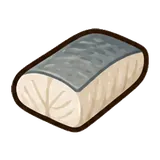
Cod is a mild white fish rich in glutamates, which boost umami and work well in many dishes.
Cod is a lean white fish from the cold North Atlantic and North Pacific, sold as fresh or frozen fillets, loins and as dried salt cod. It tastes mild, clean and gently sweet, with big, tender flakes and no strong fishy flavour.
Cooks love cod because it is a blank canvas. It fries into crisp fish and chips, bakes with lemon and herbs, poaches in milk or wine, and takes on bold glazes like miso and spicy Caribbean stews without fighting back.
Flavor profile
Aroma: mild, clean
Good to know
Origin: North Atlantic
Forms: fresh, frozen, salted
Season: Available year-round, usually frozen; fresh Atlantic cod is often at its best in winter and spring.
Nutrition: A good source of lean protein. Fish is a common allergen, so check before serving to guests.
Storage: Keep fresh cod in the coldest part of the fridge and cook it within 1–2 days. Wrapped tightly, it freezes for 4–6 months; thaw it overnight in the fridge and pat it dry before cooking. Cooked cod keeps 2–3 days chilled. Dried salt cod keeps for months in a cool, dry place. A slimy surface, dull grey colour or sharp ammonia smell means fresh cod has gone off.
How to use cod
Preserve Moisture
Steam cod to keep its proteins intact and moisture in, for tender fish.
Brighten the Dish
Use citrus or garlic to add contrast and complexity.
The science of cod
- Cod muscle is arranged in thin sheets called myotomes separated by delicate connective tissue. That tissue melts at a low temperature, so cooked cod falls apart into large, juicy flakes.
- Cod is very lean, with almost no fat in its flesh, so there is little to protect it from drying out. Pull it from the heat as soon as it turns opaque and flakes, about 60–63°C (140–145°F) inside.
- Fish like cod contain trimethylamine oxide, which bacteria break down into trimethylamine as fish ages. That is the source of fishy smells, and a squeeze of acid helps bind it and freshen the taste.
- A light coating of flour, batter or crumbs protects lean cod from direct heat. The coating browns through the Maillard reaction while steam gently cooks the fish inside.
- Salting cod draws water out by osmosis and preserves it for months. Soaking salt cod in several changes of water rehydrates the flesh and removes most of the salt before cooking.
How to choose cod
Fresh cod should look moist, translucent and pearly white, with no browning at the edges, and smell clean like the sea. Frozen-at-sea fillets are often the best choice far from the coast. Thick loin pieces cook more evenly and stay juicier than thin tail ends, and choosing sustainably certified cod helps protect fish stocks.

Substitutes for cod
| Swap | Amount | What changes |
|---|---|---|
| Haddock | 1:1 | A close cousin with a slightly sweeter taste and finer flakes; great for fish and chips. |
| Halibut | 1:1 | Firmer and meatier with a mild sweetness; holds together better on the grill. |
| Pollock | 1:1 | Mild and affordable; a little softer, so handle it gently. |
| Hake | 1:1 | Soft, mild white fish popular in Spain; cooks the same way as cod. |
What goes with cod
- Lemon. Lemon provides acidity that brightens cod's subtle sweetness.
- Miso. Miso's salty umami glaze caramelizes on lean, flaky cod.
- Tortilla. Crisp-fried or grilled cod is the classic fish taco filling.
- Potato. Potato offers a neutral canvas that highlights cod's delicate texture.
- Dill. Dill's aromatics bring freshness to cod's mildness.
- Milk. Poaching cod in milk keeps it tender and mild.
- Peas. Sweet peas contrast with mild, flaky cod, as in fish and chips.
- White Wine. White wine's acid brightens cod's mild flavor in poaching liquid.
- Scotch Bonnet. Mild cod carries scotch bonnet's fruity heat in Caribbean fish stews, as long as it is used lightly.
- Curry Leaf. Curry leaf and coconut flavor mild fish in Kerala-style curries.
Mistakes to avoid
- Overcooking contracts muscle fibers, squeezing out moisture, drying the fish.
- Heavy seasoning covers the natural glutamates, changing the taste.
Ideas for tonight
- Bake with lemon slices and herbs for a light meal.
- Fry for classic fish and chips.
- Poach in white wine and shallots for an elegant touch.
Cod: questions
How do you know when cod is cooked?
The flesh turns from translucent to opaque white and flakes easily when pressed with a fork. Food-safety guidance is 63°C (145°F) inside.
How long does it take to bake cod?
A 2–3 cm (1 inch) fillet takes about 10–15 minutes in a 200°C (400°F) oven. Thinner pieces cook in as little as 8 minutes, so check early.
What does cod taste like?
Cod is mild, clean and slightly sweet, with no strong fishy taste. Its texture is tender with large, moist flakes.
What is the difference between cod and haddock?
Both are North Atlantic white fish in the same family. Haddock is slightly smaller, a little sweeter and flakes more finely, while cod has larger, meatier flakes.
How do you prepare salt cod?
Soak it in cold water in the fridge for 24–48 hours, changing the water three or four times a day. Taste a small piece; when it is pleasantly salty rather than harsh, it is ready to cook.
Can you cook cod from frozen?
Yes. Rinse off any ice, pat it dry, and add about 50 percent to the cooking time. Baking or poaching works better than pan-frying from frozen.
What goes well with cod?
Cod pairs best with lemon, miso, tortilla, potato, dill. Lemon provides acidity that brightens cod's subtle sweetness.
How do you use cod in cooking?
Preserve Moisture: steam cod to keep its proteins intact and moisture in, for tender fish.
How should you store cod?
Keep fresh cod refrigerated and use within 1-2 days, or freeze for longer preservation.
What is the most common mistake with cod?
Overcooking contracts muscle fibers, squeezing out moisture, drying the fish.
 Miso
 Lemon
 Potato
 Peas
 Dill
 Halibut
 Salmon
