
Scallop
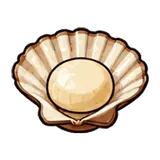
Scallops are sweet, tender, and quick to cook, ideal for searing.
Scallops are shellfish, and the part we usually eat is the round, white adductor muscle that opens and closes the shell. They taste sweet and gently briny, with a whisper of citrus and a soft, buttery texture when cooked just right.
Cooks love them because they are fast and spectacular: two minutes in a hot pan gives a caramel-brown crust and a tender, almost translucent middle. Their sweetness loves butter, lemon, bacon and fresh herbs.
Flavor profile
Aroma: sweet, briny
Good to know
Origin: Coastal Waters Worldwide
Forms: fresh, frozen
Season: Available year-round frozen; fresh sea scallops are often at their best from autumn to spring.
Nutrition: A lean source of protein; scallops are shellfish, a common allergen.
Storage: Refrigerate fresh scallops in a covered bowl set over ice, in the coldest part of the fridge, and cook them within 1–2 days. Frozen scallops keep well for about 3 months; thaw them overnight in the fridge on paper towels, never in warm water. Cooked scallops are best eaten within a day or two. A strong fishy or ammonia smell, or a slimy feel, means they should go in the bin. Allergen note: scallops are shellfish.
How to use scallop
Sear to Perfection
Quickly sear scallops on high heat for a crust that locks in sweet, briny juices.
Butter Basting
Baste scallops with butter and aromatics to keep them tender inside and seared outside.
The science of scallop
- Scallops are unusually sweet because their muscles store glycogen and are rich in free amino acids such as glycine and alanine, which taste sweet. That sugar also helps them brown fast through the Maillard reaction and caramelisation.
- Wet-packed scallops are soaked in a phosphate solution that makes them absorb water. That water leaks out in the pan, so they steam rather than sear. Dry-packed scallops brown far better.
- The adductor muscle is lean and finely structured. Its proteins firm up quickly, so even a minute too long squeezes out moisture and turns them rubbery.
- In ceviche, lime or lemon acid denatures the surface proteins, turning scallops opaque and firm without heat. It changes the texture but doesn't kill bacteria the way cooking does, so use very fresh, high-quality scallops.
How to choose scallop
Choose dry-packed (sometimes labelled diver or day-boat) scallops that are creamy ivory to slightly pink, firm, and smell sweet and of the sea. Bright white, sitting in milky liquid, usually means wet-packed. Larger sea scallops are best for searing; tiny bay scallops suit pasta, stews and quick sautés.

Substitutes for scallop
| Swap | Amount | What changes |
|---|---|---|
| Large shrimp | 1:1 by weight | Similar sweet, briny bite and quick cooking; sear or sauté the same way. |
| Monkfish medallions | 1:1 by weight | Firm, sweet white fish sometimes called poor man's lobster; takes a hard sear. |
| Halibut, cut into chunks | 1:1 by weight | Mild and firm; less sweet, so add a little extra butter and lemon. |
| King oyster mushroom stems | 1:1 by weight | A vegetarian swap sliced into rounds and seared for a scallop-like look and bite. |
What goes with scallop
- Bacon. Smoky salt from bacon contrasts with scallop's sweet, tender flesh.
- Lemon. Lemon's acidity brightens and highlights scallops' sweetness.
- Butter. Butter's fat envelops scallops’ lean, delicate texture.
- Garlic. Garlic’s sharpness contrasts with scallops' sweet oceanic notes.
- White Wine. White wine lends acidity which brightens scallops' sweet notes.
- Grapefruit. Grapefruit's tart acid brightens scallop's sweetness in raw and seared dishes.
- Lime. Lime acid cooks and brightens scallop in ceviche.
- Rice Vinegar. Rice vinegar's gentle acid lifts scallop's sweetness.
- Saffron. Saffron's honeyed floral notes match scallop's sweetness in cream sauces.
- Sage. Fried sage's earthy crunch contrasts scallop's soft sweet flesh.
Mistakes to avoid
- Overcooking turns them rubbery.
- Under-seasoning fails to enhance their sweetness.
Ideas for tonight
- Serve with lemon butter.
- Add to pasta with garlic.
- Pair with a white wine reduction.
Scallop: questions
What do scallops taste like?
Scallops taste sweet, mild and lightly briny, with a delicate, buttery texture. They are less fishy than most seafood, which makes them a good starter shellfish.
How long do you sear scallops?
Large sea scallops need about 1.5–2 minutes on the first side in a very hot, oiled pan, then 30–60 seconds on the second. They are done when the outside is golden and the middle is just turning opaque.
Should I remove the side muscle from scallops?
Yes. The small, tough rectangular tab on the side is chewy when cooked. Peel it off with your fingers before cooking.
Why are my scallops rubbery?
They are overcooked. Scallops firm up very quickly, so pull them while the centre is still slightly translucent; they keep cooking off the heat.
What is the difference between wet and dry scallops?
Wet scallops are treated with a phosphate solution that adds water weight; dry scallops are untreated. Dry scallops taste sweeter and sear much better.
Can you eat scallops raw?
Very fresh, sushi-grade scallops are eaten raw in crudo and sashimi. Only use scallops sold for raw eating, and avoid raw shellfish if you are pregnant or have a weakened immune system.
What internal temperature are scallops done?
Food-safety guidance for shellfish is 63°C (145°F), when the flesh is opaque and firm. Many chefs serve them slightly lower for a tender centre, so judge by your own comfort and the freshness of the scallops.
What does scallop taste like?
Scallops are sweet, tender, and quick to cook, ideal for searing., with an aroma that is sweet, briny.
What goes well with scallop?
Scallop pairs best with bacon, lemon, butter, garlic, white wine. Smoky salt from bacon contrasts with scallop's sweet, tender flesh.
How do you use scallop in cooking?
Sear to Perfection: quickly sear scallops on high heat for a crust that locks in sweet, briny juices.
How should you store scallop?
Keep refrigerated and consume quickly, or freeze as soon as possible.
What is the most common mistake with scallop?
Overcooking turns them rubbery.
 Butter
 Lemon
 Bacon
 Shrimp
 Crab
 Halibut
 Sage
 White Wine
