
Sage
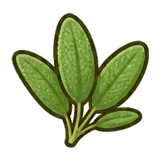
Sage provides an earthy aroma, perfect for hearty dishes and stuffings.
Sage is a soft, silvery-green herb with fuzzy, velvety leaves. It tastes earthy, piney and slightly peppery, with a warm, resinous bitterness and a hint of camphor and eucalyptus.
Cooks love sage because it is made for rich, comforting food. It is the smell of holiday stuffing, the star of sage brown butter for pumpkin ravioli and gnocchi, and a classic partner for pork, sausages and roast turkey. Fried until crisp, the leaves become an irresistible garnish.
Flavor profile
Aroma: pine-like, earthy
Good to know
Origin: Mediterranean
Forms: fresh, dried
Season: Fresh sage is at its best from late spring to autumn; it is an evergreen shrub and widely available year-round.
Nutrition: Used in small amounts, so it adds flavour more than nutrition.
Storage: Wrap fresh sage loosely in a dry paper towel and keep it in a bag or box in the fridge for 1–2 weeks; damp fuzzy leaves can turn mouldy. Sage freezes well: freeze whole leaves in a bag, or chop them into ice-cube trays with butter or oil, for up to 6 months. Dried sage keeps about a year in an airtight jar. Throw away leaves that turn black, slimy or musty.
How to use sage
Butter Infuser
Sauté sage in butter; camphor oils enhance meats or pasta.
Stuffing Enhancer
Use in stuffing; thujone oils enrich savory notes.
The science of sage
- Sage's aroma comes mainly from 1,8-cineole (eucalyptus-like), camphor, thujone and borneol. These strong terpenes are why sage tastes bold and can quickly dominate a dish.
- The compounds are fat-soluble, so sage gives its best in butter, oil, cream or fatty meat. Sizzling leaves in butter moves their aroma into the fat, which then coats pasta, gnocchi or squash.
- When sage hits hot fat, the water in the leaf evaporates fast and the leaf turns crisp and translucent. Frying also softens its raw bitterness into something nuttier and gentler.
- In brown butter, the milk solids brown through the Maillard reaction once the water has boiled off. Their toasty, nutty notes sit naturally alongside sage's earthy pine.
- Sage's fuzzy leaves dry well, and dried sage, especially fluffy rubbed sage, is stronger by weight than fresh. Use it sparingly, since too much tastes harsh and medicinal.
How to choose sage
Pick fresh sage with soft, velvety, grey-green leaves and no wilting, dark spots or mould. It should smell strongly earthy and piney when rubbed. For dried sage, rubbed sage gives a lighter texture for stuffings, while ground sage is denser and stronger.

Substitutes for sage
| Swap | Amount | What changes |
|---|---|---|
| Dried rubbed sage | 1 tsp dried per 1 tbsp fresh | Strong and earthy; best in stuffings, sausage and slow-cooked dishes. |
| Thyme | 1:1 | Milder and earthier, and works with poultry, pork and squash. |
| Rosemary | use half as much | Also resinous and bold; good in roasts, but even more potent. |
| Poultry seasoning | 1:1 | Usually sage-heavy with thyme and other herbs; ideal for stuffing. |
What goes with sage
- Butter. Sage and butter create an iconic sauce base with nutty aromas.
- Turkey. Sage has earthy oils that match turkey's mild richness for a classic pairing.
- Pumpkin. Sage's piney, earthy leaf balances pumpkin's sweetness, as in classic ravioli.
- Pork Shoulder. Sage's camphoraceous scent suits the fattiness of pork shoulder.
- Onion. Onion's sweetness and sage's herbaceous notes blend in stews.
- Cream. Cream's fat carries sage's terpenes in sauces.
- Mushroom. Mushrooms' umami and sage's aroma provide a savory base.
- Apple. Piney, peppery sage balances apple's sweetness in stuffings and pork dishes.
- Nutmeg. Nutmeg's warmth and sage's resin pair in stuffings and sausages.
- Olive oil. Olive oil crisps sage and carries its resinous oils.
Mistakes to avoid
- Too much sage overpowers with thujone oils.
- High heat changes volatile compounds, affecting flavor.
Ideas for tonight
- Use in roasted turkey stuffing.
- Crisp up in a pan for a garnish.
- Infuse in brown butter for pasta.
Sage: questions
What does sage taste like?
Sage tastes earthy, piney and slightly peppery, with a warm bitterness and hints of eucalyptus and camphor. Raw, it can be a little harsh; cooked in butter or with meat, it turns rounder and nuttier.
How do you make crispy sage leaves?
Heat a thin layer of butter or oil until it shimmers, add dry whole leaves in a single layer and fry for 20–40 seconds until they stop bubbling and turn crisp. Lift them onto paper towel and sprinkle with salt. The leftover sage-flavoured fat is great over pasta.
Can you eat raw sage?
Yes, but it is strong and slightly fuzzy, so use it sparingly and chop it finely. Most people prefer sage cooked, where its flavour mellows.
How much dried sage equals fresh?
Use about 1 teaspoon of dried rubbed sage for every tablespoon of chopped fresh. Ground sage is stronger still, so use a little less of that.
Can you freeze sage?
Yes. Freeze whole leaves in a bag, or chop them into ice-cube trays with butter or oil. Frozen sage is best for cooking rather than crisping, and keeps for about 6 months.
What is the difference between sage and rosemary?
Both are resinous Mediterranean herbs, but sage is earthier and softer, with fuzzy leaves, while rosemary is more piney and sharp, with tough needles. They often work together in roasts and stuffings.
What goes well with sage?
Sage pairs best with butter, turkey, pumpkin, pork shoulder, onion. Sage and butter create an iconic sauce base with nutty aromas.
How do you use sage in cooking?
Butter Infuser: sauté sage in butter; camphor oils enhance meats or pasta.
How should you store sage?
Store fresh sage in the refrigerator within damp paper towels or dry in cool, airtight containers.
What is the most common mistake with sage?
Too much sage overpowers with thujone oils.
 Butter
 Pumpkin
 Turkey
 Pork Shoulder
 Rosemary
 Thyme
 Walnut
 Sweet Potato
