
Apple
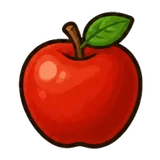
Crisp apples balance sweet and tart flavors, for varied uses.
Apples are the crisp, juicy tree fruit that started in the mountains of Central Asia and now grow in thousands of varieties. Their flavour sits on a seesaw of sugar and malic acid: some lean honey-sweet, others sharp enough to make you squint, and most carry a clean, fresh aroma with a faint earthy note.
Cooks love apples because they swing both ways. Raw, they bring crunch and brightness to salads and cheese boards. Cooked, they turn soft and jammy in pies, collapse into sauce, or hold their shape beside roast pork. Few fruits are this cheap, this available, and this flexible.
Flavor profile
Aroma: sweet, crisp
Good to know
Origin: Central Asia
Forms: fresh, sliced, sauce
Season: Harvested from late summer through autumn, but stored apples are sold year-round. Autumn is the time for the widest choice of local varieties.
Nutrition: Apples provide fibre, much of it in the skin, and are naturally low in fat.
Storage: Apples keep best cold and humid, so the fridge crisper drawer beats the fruit bowl; they can last 4–8 weeks there versus about a week at room temperature. Store them away from other produce, since their ethylene speeds ripening nearby. Soft spots, wrinkled skin and a mealy, floury bite are signs they are fading. To freeze, peel, slice, toss with a little lemon juice and freeze flat on a tray before bagging; frozen slices are best for baking or sauce, not eating raw.
How to use apple
Pie Heat
Heat softens apples, concentrates fructose in pie filling.
Smooth Applesauce
Simmer to break pectin, creating a smooth applesauce.
The science of apple
- Cut apples brown because polyphenol oxidase, an enzyme in the flesh, meets oxygen and turns phenolic compounds into brown pigments. A squeeze of lemon lowers the pH and slows the enzyme down.
- Apples are rich in pectin, a natural gelling fibre in their cell walls. Long simmering breaks pectin down so the fruit collapses into smooth sauce, while the leftover pectin helps jams and pie fillings set.
- Firm baking apples hold their shape because their cell walls are dense and their pectin is more heat-stable. Soft eating varieties turn to mush faster, which is great for sauce but not for a tall pie.
- The tang comes mostly from malic acid. Heat drives off water and concentrates both sugar and acid, which is why a baked apple tastes more intense than a raw one.
- Apples release ethylene gas as they ripen. Stored next to other produce, they speed up its ripening, so keep them apart from leafy greens and carrots unless you want that effect.
How to choose apple
Pick apples that feel heavy for their size, with firm flesh and tight, unwrinkled skin. Press gently near the stem: any give means the apple is past its best. Choose tart, firm varieties such as Granny Smith or Braeburn for baking, and sweeter, juicier ones like Gala or Honeycrisp for snacking.

Substitutes for apple
| Swap | Amount | What changes |
|---|---|---|
| Pear | 1:1 | Similar sweetness and texture in baking; choose firm pears so they don't turn to mush. |
| Unsweetened applesauce | 1 cup per 1 cup grated apple | Works in cakes and muffins where you want moisture rather than chunks. |
| Quince | 1:1, cooked | Very hard and astringent raw, but cooks down to a fragrant, apple-like filling. |
What goes with apple
- Cinnamon. Cinnamon amplifies apple's innate sweetness, a timeless comforting duo.
- Brie. Crisp, tart apple slices cut through the creamy richness of brie.
- Maple Syrup. Maple's caramel and woody notes deepen apple's bright, tart flavor.
- Oats. Soft baked apple pairs with nutty, toasty oats in crisps and crumbles.
- Pork Shoulder. Apple's acid and sweetness cut through rich, fatty pork.
- Cheddar. Cheddar's umami contrasts apple's acidity.
- Walnut. Walnut's bitterness contrasts apple's sweetness.
- Almond. Almond's sweet, marzipan-like notes soften apple's tartness, as in frangipane tarts.
- Sage. Piney, peppery sage balances apple's sweetness in stuffings and pork dishes.
Mistakes to avoid
- Too much cooking leaves pie apples too soft.
- Apple slices brown when exposed to air.
Ideas for tonight
- Baked apples with cinnamon
- Apple and cheese platter
- Apple walnut salad
Apple: questions
How do you stop apples from turning brown?
Toss cut apple in lemon or lime juice, or dip slices in lightly salted water for a few minutes. Both slow the browning enzyme. Keeping slices covered and cold also helps.
What are the best apples for apple pie?
Use firm, tart apples that hold their shape, such as Granny Smith, Braeburn or Bramley-style cooking apples. Many bakers mix a tart variety with a sweeter one for a more rounded filling.
Can you freeze apples?
Yes. Peel, slice and toss with lemon juice, then freeze in a single layer before bagging. They soften on thawing, so use them in pies, crumbles, sauce or smoothies.
Do you need to peel apples for baking?
Not always. Peels add colour, fibre and a little chew in crumbles and cakes. For smooth sauce or a delicate tart, peeling gives a softer, more even texture.
Should apples be stored in the fridge?
Yes, if you want them to stay crisp for weeks. At room temperature they soften much faster. Keep them in the crisper drawer, away from leafy vegetables.
What can I use instead of apples in a recipe?
Firm pears are the closest swap in pies and crumbles. For moisture in cakes, unsweetened applesauce or mashed banana works. Quince is a fragrant option once cooked.
What does apple taste like?
Crisp apples balance sweet and tart flavors, for varied uses. Its strongest notes are sweet, with an aroma that is sweet, crisp.
What goes well with apple?
Apple pairs best with cinnamon, brie, maple syrup, oats, pork shoulder. Cinnamon amplifies apple's innate sweetness, a timeless comforting duo.
How do you use apple in cooking?
Pie Heat: heat softens apples, concentrates fructose in pie filling.
How should you store apple?
Store in a cool, humid place or refrigerate to extend shelf life.
What is the most common mistake with apple?
Too much cooking leaves pie apples too soft.
 Cinnamon
 Pear
 Brie
 Maple Syrup
 Oats
 Pork Shoulder
 Cheddar
 Walnut
