
Brie
Also called French brie
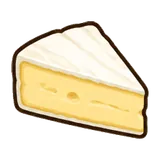
Brie provides a sweet, nutty aroma and creamy consistency, great with fruit or for baking.
Brie is a soft-ripened French cow's-milk cheese with a velvety white rind and a buttery, oozy centre. It tastes creamy, mildly sweet and nutty, with earthy, mushroomy notes from the rind that grow stronger as it ripens.
Cooks love brie because it is the friendliest cheese on the board. It loves fruit, honey and crunchy nuts, and when baked it turns into a warm, molten dip begging for bread or crisp apple slices.
Flavor profile
Aroma: earthy, nutty, creamy
Good to know
Origin: France
Forms: wheel, wedge
Season: Available year-round; a classic in autumn and winter with pears, apples and holiday baked brie.
Nutrition: Rich in fat, with some protein and calcium; contains dairy.
Storage: Wrap brie in wax paper or baking paper so it can breathe, then keep it in the fridge's vegetable drawer; plastic traps moisture and turns the rind slimy. Once cut, eat it within about 1 week. Brie keeps ripening in the fridge, so check it often: a sharp ammonia smell, pink or brown spots or a slimy rind mean it is past its best. Brie can be frozen for up to 2 months, but it loses its creamy texture, so save frozen brie for baking.
How to use brie
Molten Brie
Bake wrapped in pastry. Lactose turns creamy, ideal for dipping.
Fruit's Best Friend
Pair with apples. Malic acid contrasts with Brie's umami, balancing richness.
The science of brie
- The white rind is a living mould, Penicillium candidum (also called P. camemberti). Its enzymes break down proteins and fats from the outside in, which is why brie softens and turns runny as it ripens.
- That protein breakdown releases ammonia as brie gets older. A faint mushroom smell is normal; a strong ammonia smell means the cheese is over-ripe.
- Mould enzymes also break fats into aroma compounds, including 1-octen-3-ol, the same molecule that gives mushrooms their earthy smell.
- When baked, brie's fat and protein loosen into a molten dip. Too much heat squeezes the fat out and makes it greasy, so a moderate oven of 180°C (350°F) for 10–15 minutes works best.
How to choose brie
Press the centre gently: a ripe brie gives slightly, like a ripe peach, and should not feel chalky-firm or collapse. The rind should be white with perhaps a little cream colouring, not grey, sticky or cracked. Buy a whole small wheel for baking so it holds its shape.

Substitutes for brie
| Swap | Amount | What changes |
|---|---|---|
| Camembert | 1:1 | Smaller, stronger and earthier; perfect for baking. |
| Triple-crème cheese | 1:1 | Even richer and butterier; great on a cheeseboard. |
| Taleggio | 1:1 | Punchier washed-rind cheese that melts beautifully in sandwiches. |
| Fresh mozzarella | 1:1 | Much milder, but melts creamily in toasties when you have no brie. |
What goes with brie
- Walnut. Walnuts' buttery crunch contrasts brie's creamy softness.
- Honey. Honey's sweetness highlights brie's subtle saltiness.
- Apple. Crisp, tart apple slices cut through the creamy richness of brie.
- Pear. Pear's juicy sweetness and light acid cut through creamy brie.
- Bacon. Bacon's fat dissolves brie's aroma compounds, boosting its savory profile.
- Mushroom. Brie's earthy rind echoes mushroom's savory depth.
- Pecan. Buttery pecans match brie's creamy richness and add crunch.
- White Wine. White wine's acid cuts brie's creamy fat.
- Beet. Beet's earthy sugar and brie's creamy rind work, though neither leads.
- Harissa. Harissa's heat overpowers brie's delicate flavor.
Mistakes to avoid
- Overheating separates milk proteins, causing a greasy texture.
- Plastic encourages moisture, degrading the rind.
Ideas for tonight
- Baked brie en croûte with honey and almonds
- Brie and apple sandwich with arugula
- Brie and fig tartlets with rosemary
Brie: questions
Can you eat the rind on brie?
Yes. The white rind is edible mould and adds a mushroomy, earthy flavour. Some people trim it off if it tastes too strong, but it is perfectly safe.
How do you bake brie?
Score the top of a small wheel, add honey or jam and nuts, then bake at 180°C (350°F) for 10–15 minutes until soft in the centre. Serve straight away with bread or apple slices.
What is the difference between brie and camembert?
Both are soft-ripened cow's-milk cheeses with white rinds. Camembert comes in smaller wheels and usually tastes stronger and earthier; brie is milder and more buttery.
Can you freeze brie?
You can, for up to 2 months, but it turns crumbly and loses its creaminess. Use thawed brie for baking or melting rather than a cheeseboard.
Should brie be served at room temperature?
Yes. Take it out of the fridge 30–60 minutes before serving. Cold brie tastes muted and firm; room temperature brie is creamier and more aromatic.
How do you know if brie has gone bad?
A strong ammonia smell, pink, brown or grey patches, or a slimy rind mean it is over the hill. A light mushroom smell is normal.
What does brie taste like?
Brie provides a sweet, nutty aroma and creamy consistency, great with fruit or for baking. Its strongest notes are pungent, earthy, with an aroma that is earthy, nutty, creamy.
What goes well with brie?
Brie pairs best with walnut, honey, apple, pear, bacon. Walnuts' buttery crunch contrasts brie's creamy softness.
How do you use brie in cooking?
Molten Brie: bake wrapped in pastry. Lactose turns creamy, ideal for dipping.
How should you store brie?
Keep refrigerated and wrapped in parchment or wax paper to allow it to breathe while maintaining moisture.
What is the most common mistake with brie?
Overheating separates milk proteins, causing a greasy texture.
 Walnut
 Apple
 Pear
 Honey
 Pecan
 Mushroom
 White Wine
 Gruyere
