
Beet
Also called beetroot
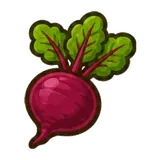
Beets, known for their vibrant color and sweetness, are often roasted or pickled.
Beets, or beetroot, are the swollen roots of a Mediterranean plant related to chard. They are sweet and deeply earthy, with a warm, mellow flavour and a dense, juicy texture; red beets bring that famous jewel colour, while golden and candy-striped ones are milder.
Cooks love them for their sweet-meets-earthy balance. Roast them until they caramelise, pickle them in vinegar, simmer them into borscht, or grate them raw into salads with feta and walnuts.
Flavor profile
Aroma: earthy, sweet
Good to know
Origin: Mediterranean
Forms: fresh, canned, pickled
Season: Beets are at their best from summer through autumn and store well into winter; they are available year-round.
Nutrition: A root vegetable that adds fibre and natural sweetness; red beets can harmlessly tint urine pink in some people.
Storage: Twist off the greens, leaving about 2–3 cm of stem, and store them separately; they last only 2–3 days. Keep unwashed beet roots in a bag in the fridge crisper for 2–3 weeks, or in a cool, dark place for about a week. Wrinkled, soft or mouldy beets should be discarded. Cooked beets keep for 5 days in the fridge, and cooked, peeled beets freeze well in slices or cubes for up to 8 months.
How to use beet
Sweet Caramelization
Roasting enhances beets' natural sweetness by caramelizing their sugars.
Color Guard
Quick steaming helps retain beet color and nutrients by preventing betalain leaching.
The science of beet
- The earthy, almost soil-like taste of beets comes from geosmin, a compound some people are very sensitive to. Acid such as vinegar or citrus helps soften that earthiness, which is why beets and vinegar are such a classic pair.
- Red beets get their colour from betalains, water-soluble pigments that bleed into cooking water and anything they touch. Roasting or steaming them whole, skin on, keeps more of the colour inside.
- Beets are naturally high in sugar, mostly sucrose (sugar beets are the same species). Roasting at around 200°C (400°F) concentrates and caramelises those sugars, deepening the sweetness.
- Betalains are heat-sensitive and fade with long cooking, and they shift colour with pH, staying redder in acidic dishes. A splash of vinegar keeps borscht vivid.
How to choose beet
Choose firm, heavy beets with smooth, unbroken skin and no soft spots. Small to medium beets are sweeter and more tender than large ones. If the greens are attached, they should look fresh and perky, a good sign the roots are recently picked.

Substitutes for beet
| Swap | Amount | What changes |
|---|---|---|
| Golden or candy-striped beets | 1:1 | Same texture and sweetness, milder earthiness, and they will not stain everything pink. |
| Carrot | 1:1 | Sweet and earthy with a lighter flavour; roasts and grates the same way. |
| Radish, roasted | 1:1 | Roasting mellows radishes into something juicy and beet-like, though less sweet. |
| Sweet potato | 1:1 for roasting | Sweeter and starchier; works as a roasted side or salad base. |
What goes with beet
- Orange. Orange acidity balances the earthy sweetness of beet, adding a bright contrast.
- Feta. Salty, tangy feta contrasts with beet's earthy sweetness.
- Sour Cream. Sour cream's tang and fat soften beet's earthy, sugary flavor, as in borscht.
- Vinegar. Vinegar's acid brightens beet's earthy sweetness in pickles.
- Walnut. Walnut's bitter, tannic crunch balances beet's earthy sweetness.
- Dill. Dill's bright aroma contrasts beet's dense earthiness.
- Balsamic Vinegar. Balsamic's sweet acid brightens beet's earthy, sugary flesh.
- Hazelnut. Toasted hazelnut adds nutty richness to beet's earthy sweetness.
- Yogurt. Cool, tangy yogurt balances beet's earthy sugar.
- Brie. Beet's earthy sugar and brie's creamy rind work, though neither leads.
Mistakes to avoid
- Peeling makes beets lose color and nutrients due to betalain exposure.
- Overcooking turns beets mushy by softening pectins.
Ideas for tonight
- Roast for a sweet, earthy side.
- Grate into salads for crunch and color.
- Blend into smoothies for natural sweetness.
Beet: questions
Why do beets taste like dirt?
That earthy taste comes from geosmin, the same compound behind the smell of rain on soil. Pair beets with vinegar, citrus or tangy cheese to balance it.
Do you need to peel beets?
Not before cooking. Roast or boil them whole with the skin on, then rub the skins off with a paper towel once they cool slightly. Young beets can be eaten skin and all.
How long do you roast beets?
Wrap whole medium beets in foil and roast at 200°C (400°F) for 45–60 minutes, until a knife slides in easily. Smaller beets or wedges cook faster.
Can you eat beet greens?
Yes. Beet greens taste like a cross between spinach and chard and can be sautéed, added to soups or wilted into pasta.
How do you get beet stains off your hands?
Rub your hands with lemon juice or vinegar and a little salt, then wash with soap. Wearing gloves or rubbing oil on your hands first helps prevent stains.
Is beetroot the same as beet?
Yes. Beetroot is the name used in the UK, Ireland and Australia; beet is the North American name for the same vegetable.
What does beet taste like?
Beets, known for their vibrant color and sweetness, are often roasted or pickled. Its strongest notes are sweet, earthy, with an aroma that is earthy, sweet.
What goes well with beet?
Beet pairs best with orange, feta, sour cream, vinegar, walnut. Orange acidity balances the earthy sweetness of beet, adding a bright contrast.
How do you use beet in cooking?
Sweet Caramelization: roasting enhances beets' natural sweetness by caramelizing their sugars.
How should you store beet?
Store beets in a cool, dark place or refrigerate for several weeks.
What is the most common mistake with beet?
Peeling makes beets lose color and nutrients due to betalain exposure.
 Feta
 Walnut
 Orange
 Vinegar
 Sour Cream
 Dill
 Carrot
 Radish
