
Hazelnut
Also called filbert
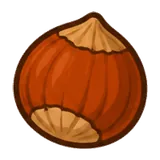
Hazelnuts bring a rich, toasted flavor to enhance sweet and savory dishes.
Hazelnuts, also called filberts, are the round nuts of the hazel tree, grown across Turkey, Italy, Spain and the Pacific Northwest. Raw, they taste mild, sweet and a little woody; roasted, they turn deeply toasty and warm, with a gentle earthiness and a faint bitter edge from their skins.
Cooks love hazelnuts because roasting transforms them. They are the soul of chocolate spreads, Italian gianduja and French praline, a crunchy finish for salads and green beans, and a natural partner for coffee, mushrooms and pears.
Flavor profile
Aroma: nutty, toasted
Good to know
Origin: Europe, Asia Minor
Forms: whole, shelled, ground, oil
Season: Harvested in late summer and early autumn, when new-crop nuts taste freshest; available year-round.
Nutrition: A source of fat and some protein; hazelnuts are a tree nut and a common allergen.
Storage: Keep hazelnuts in an airtight container in a cool, dark cupboard for a few months, or in the fridge for up to a year. They freeze well for longer, sealed tightly. Ground hazelnuts go stale fastest, so keep them cold and use them quickly. Rancid hazelnuts smell like stale oil and taste bitter. Toast frozen nuts straight from the freezer, adding a minute or two.
How to use hazelnut
Chocolate's Best Friend
Combine with chocolate. Nut fats enhance texture and balance out flavors.
Smooth Dressings
Ground hazelnuts emulsify dressings, with fats adding smoothness and flavor.
The science of hazelnut
- Much of a hazelnut's signature aroma comes from a compound called filbertone. Roasting multiplies it, which is why toasted hazelnuts smell so much stronger than raw ones.
- The papery skins hold bitter tannins. Roast at 175°C (350°F) for 10–15 minutes until the skins crack, then rub the warm nuts in a tea towel and most of the skin flakes away.
- Hazelnut fat and chocolate's cocoa butter are both rich and smooth, and roasted hazelnut and roasted cocoa share toasty, caramel-like Maillard aromas. Ground together, they make gianduja.
- Praline paste is caramelised sugar ground with roasted hazelnuts until the nut oil turns the mixture into a smooth, spreadable emulsion.
- Brown butter is called beurre noisette, or hazelnut butter, in French: browning milk solids triggers Maillard reactions that create a similar toasty, nutty aroma.
How to choose hazelnut
Choose plump, heavy nuts with no shrivelling, mould or dark spots. Blanched (skinned) hazelnuts save time for baking, while skin-on nuts are cheaper and keep slightly longer. In-shell hazelnuts should not rattle, which can mean the kernel has dried out.

Substitutes for hazelnut
| Swap | Amount | What changes |
|---|---|---|
| Almonds | 1:1 | Milder and sweeter; toast well to get closer to the hazelnut roastiness. |
| Pecans | 1:1 | Softer and more buttery; good in baking and salads. |
| Macadamia nuts | 1:1 | Rich and creamy with a similar round shape for desserts. |
What goes with hazelnut
- Cocoa. Hazelnut's toasted, buttery sweetness matches cocoa's bitter depth.
- Coffee. Coffee's bitterness contrasts with hazelnut's sweetness.
- Rosemary. Rosemary shares woody terpene aromas with hazelnuts.
- Butter. Butter's fat dissolves hazelnut aroma compounds, amplifying flavor.
- Beet. Toasted hazelnut adds nutty richness to beet's earthy sweetness.
- Cauliflower. Toasted hazelnut adds crunch and nutty sweetness to roasted cauliflower.
- Green Bean. Toasted hazelnut adds nutty crunch against green bean's snap.
- Honey. Honey sweetens toasted hazelnut and rounds out its slight bitterness.
- Mushroom. Toasted hazelnut and sauteed mushroom both carry roasted, earthy notes that echo each other.
- Maple Syrup. Maple's caramel sweetness complements hazelnut's toasty notes.
Mistakes to avoid
- Overheating increases bitter tannins, ruining taste.
- Leaving skins on can release tannins, harming flavor.
Ideas for tonight
- Add hazelnuts to a cheese platter.
- Mix into homemade granola.
- Incorporate into stuffing for a nutty flavor.
Hazelnut: questions
Is a filbert the same as a hazelnut?
Yes. Filbert is simply another name for the hazelnut, more common in parts of the US and UK. Cobnuts are a closely related British variety.
How do you remove hazelnut skins?
Roast them at 175°C (350°F) for 10–15 minutes until the skins crack, then wrap the hot nuts in a tea towel and rub hard. A few stubborn bits of skin are fine.
Why do hazelnuts and chocolate go so well together?
Both are rich in smooth fats and both gain toasty, caramel-like aromas when roasted. The nut's sweetness also softens chocolate's bitterness.
Can you freeze hazelnuts?
Yes. Stored airtight, they keep for a year or more. Use them straight from frozen for roasting, baking or grinding.
What can I use instead of hazelnuts?
Almonds are the most common swap, especially toasted. Pecans or macadamias also work in baking. For praline, almonds are the classic alternative.
Do you need to toast hazelnuts?
For most recipes, yes. Raw hazelnuts taste mild and woody, while roasting brings out their sweet, toasty flavour and makes the skins easy to remove.
What does hazelnut taste like?
Hazelnuts bring a rich, toasted flavor to enhance sweet and savory dishes., with an aroma that is nutty, toasted.
What goes well with hazelnut?
Hazelnut pairs best with cocoa, coffee, rosemary, butter, beet. Hazelnut's toasted, buttery sweetness matches cocoa's bitter depth.
How do you use hazelnut in cooking?
Chocolate's Best Friend: combine with chocolate. Nut fats enhance texture and balance out flavors.
How should you store hazelnut?
Store in a cool, dry place in an airtight container.
What is the most common mistake with hazelnut?
Overheating increases bitter tannins, ruining taste.
 Cocoa
 Coffee
 Pear
 Orange
 Mushroom
 Almond
 Vanilla
 Green Bean
