
Pear
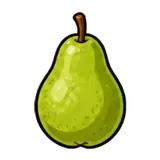
Pears offer a sweet, honeyed taste with floral notes, great for fresh salads or desserts.
Pears are tree fruit grown across Europe and Asia for thousands of years, from buttery European types to crisp, round Asian pears. A ripe pear tastes sweet and honeyed with a soft floral perfume and a gentle warmth, and its texture can range from crunchy to melting.
Cooks love pears because they are elegant with almost no effort. They shine on cheese boards with blue cheese, brie and walnuts, poach beautifully in red wine and spices, and bake into tarts and crumbles. They are a little more delicate than apples, with a sweeter, more perfumed flavour.
Flavor profile
Aroma: honeyed, floral, fresh
Good to know
Origin: Europe and Asia
Forms: whole, sliced, dried
Season: Pears are at their best from late summer through winter. Stored fruit and imports keep them available most of the year.
Nutrition: Pears provide fibre, especially in the skin, and are naturally low in fat.
Storage: Ripen firm pears at room temperature for 2–6 days, checking the neck daily. Once ripe, refrigerate them to hold them for another 3–5 days. Overripe pears turn brown and mushy at the core, often before it shows outside. Store them apart from strong-smelling foods, as they absorb odours. To freeze, peel, core and slice, then poach briefly or toss in lemon juice before freezing; use them in baking or sauce.
How to use pear
Roast Them Right
Roast to caramelize fructose, intensifying sweetness and giving a glazed finish.
Salad Stars
Add sliced pears. Malic acid boosts sweetness with savory nuts or cheese.
The science of pear
- European pears are picked mature but firm and ripen off the tree. Ripening runs from the inside out, so the core can turn mushy while the skin still feels firm.
- Pears contain stone cells, tiny clusters of hardened cells called sclereids. They give some varieties, especially Asian pears, a slightly gritty texture.
- A pear's signature smell comes largely from an ester called ethyl decadienoate, often nicknamed the pear ester, supported by floral and fruity notes.
- Like apples, cut pears brown through polyphenol oxidase. Lemon juice or a quick dip in acidulated water keeps slices pale.
- Poaching softens the pectin in pear cell walls while sugar in the syrup helps the fruit hold its shape. Red wine also lends colour from its anthocyanins.
How to choose pear
Check the neck: press gently near the stem and if it gives slightly, the pear is ripe. Choose unblemished fruit without soft, bruised patches. For poaching and baking, slightly underripe, firm varieties like Bosc hold their shape best.

Substitutes for pear
| Swap | Amount | What changes |
|---|---|---|
| Apple | 1:1 | Firmer and tarter but the most interchangeable fruit in baking. |
| Asian pear | 1:1 | Crisp and juicy; perfect raw in salads and slaws but less buttery. |
| Quince | 1:1, cooked | Must be cooked, but becomes perfumed and rosy in tarts and poaching. |
What goes with pear
- Walnut. Walnuts add crunch and earthiness to pear's sweet, soft texture.
- Brie. Pear's juicy sweetness and light acid cut through creamy brie.
- Cinnamon. Cinnamon's sweet spice complements pear's mild, floral sweetness.
- Red Wine. Pears poached in red wine take on its color and fruit, and their sweetness balances its tannin.
- Balsamic Vinegar. Balsamic vinegar balances pear's sweetness with its tangy acidity.
- Almond. Pear's mild sweetness and almond's marzipan notes sit together in classic tarts.
- Gruyere. Sweet juicy pear contrasts with gruyere's salty nuttiness.
- Honey. Honey's floral sweetness deepens pear's delicate juicy flavor.
- Oats. Pear's juicy sweetness softens oats' chew in crisps.
- Vanilla. Vanilla's sweet perfume enhances pear's delicate flavor.
Mistakes to avoid
- Unripe pears lack ethylene, resulting in a starchy texture.
- Too much cooking releases pectin, compromising structure.
Ideas for tonight
- Pear and gorgonzola flatbread with walnuts
- Grilled pear and prosciutto salad with balsamic reduction
- Poached pears in red wine with spices
Pear: questions
How do you tell when a pear is ripe?
Press gently at the neck near the stem. If it yields slightly, it is ready. Don't wait until the body feels soft, since pears ripen from the inside out and may be mushy by then.
How do you ripen pears quickly?
Put them in a paper bag with a banana or apple at room temperature. The ethylene gas speeds ripening, often within a day or two.
What are the best pears for poaching?
Firm varieties such as Bosc and Anjou hold their shape well. Use them just shy of ripe so they don't fall apart in the syrup.
Can you freeze pears?
Yes, but they soften. Peel, core and slice, then toss with lemon juice or lightly poach before freezing. Use them later in baking, smoothies or sauce.
Why are some pears gritty?
That grit comes from stone cells, small clusters of hardened cells in the flesh. Some varieties and Asian pears have more of them.
What cheese goes best with pear?
Blue cheese, brie and gruyère are all classics. The pear's sweet juice balances salty, creamy or nutty cheeses.
What does pear taste like?
Pears offer a sweet, honeyed taste with floral notes, great for fresh salads or desserts. Its strongest notes are sweet, floral, with an aroma that is honeyed, floral, fresh.
What goes well with pear?
Pear pairs best with walnut, brie, cinnamon, red wine, balsamic vinegar. Walnuts add crunch and earthiness to pear's sweet, soft texture.
How do you use pear in cooking?
Roast Them Right: roast to caramelize fructose, intensifying sweetness and giving a glazed finish.
How should you store pear?
Store at room temperature until ripe, then refrigerate to slow down further ripening.
What is the most common mistake with pear?
Unripe pears lack ethylene, resulting in a starchy texture.
 Brie
 Walnut
 Red Wine
 Cinnamon
 Gruyere
 Honey
 Apple
 Vanilla
