
Balsamic Vinegar
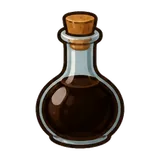
Balsamic vinegar provides a complex mix of acidity and sweetness.
Balsamic vinegar comes from Modena and Reggio Emilia in Italy, made from cooked grape must. It is dark, glossy and both sweet and tart, with warm notes of dried fruit, caramel and wood, and a gentle acidity that is far softer than most vinegars.
Cooks love balsamic because it does two jobs at once: it sweetens and sharpens. It is perfect in vinaigrettes, drizzled over strawberries or Parmesan, splashed into mushroom pan sauces and reduced into a sticky glaze for roasted vegetables, tomatoes and burrata.
Flavor profile
Aroma: sweet, tart, complex
Good to know
Origin: Italy
Forms: traditional, reduced, infused
Season: Available year-round; a pantry staple.
Nutrition: Used in small amounts, so it adds flavour more than nutrition; it does contain some natural sugar.
Storage: Store balsamic tightly sealed in a cool, dark cupboard away from the stove; it doesn't need the fridge. Its acidity keeps it safe for years, and quality is best within 3–5 years of opening. Over time it may thicken or form sediment, which is harmless. Homemade balsamic reduction keeps in the fridge for a few weeks. Throw out any vinegar that smells musty or grows mould.
How to use balsamic vinegar
Caprese Drizzle
Balsamic's acidity and sweetness complement mozzarella.
Rich Reduction
Evaporate to concentrate flavors for a meat glaze.
The science of balsamic vinegar
- Traditional balsamic starts with grape must cooked down to concentrate its sugars, which are then fermented and slowly turned into acetic acid by bacteria while aged in wooden barrels.
- Its dark colour and caramel notes come from the Maillard reaction and caramelisation during cooking and long ageing, which also create rich, raisin-like aromas.
- Everyday 'balsamic vinegar of Modena' blends wine vinegar with grape must and sometimes caramel colour, so it is sharper and thinner than the aged traditional kind.
- Simmering balsamic evaporates water and some acetic acid while concentrating sugar, turning it into a thick, sweet glaze. Too much heat burns those sugars and turns it bitter.
- Its mix of sugar and acid lifts sweet fruit and savoury umami foods alike, so it can sit happily on strawberries and on aged cheese.
How to choose balsamic vinegar
Traditional balsamic (Aceto Balsamico Tradizionale DOP) is aged at least 12 years, costly and meant for drops on cheese or fruit. For everyday cooking, choose 'Aceto Balsamico di Modena IGP' and check that grape must is listed first. Thicker, sweeter bottles are best for drizzling; thinner, sharper ones suit vinaigrettes.

Substitutes for balsamic vinegar
| Swap | Amount | What changes |
|---|---|---|
| Red wine vinegar + a little honey | 1 tbsp vinegar + 1/2 tsp honey per 1 tbsp balsamic | Matches the sweet-sour balance in dressings and sauces. |
| Apple cider vinegar + brown sugar | 1 tbsp vinegar + 1/2 tsp sugar per 1 tbsp | Fruity and caramel-ish; good for marinades. |
| Pomegranate molasses | use half as much | Thick, tangy-sweet; a great stand-in for balsamic glaze. |
| Sherry vinegar | 1:1, plus a pinch of sugar | Nutty and complex, but sharper. |
What goes with balsamic vinegar
- Strawberry. Balsamic vinegar's acidity highlights strawberry's sweetness.
- Onion. Balsamic's sweetness and acidity tame onion's bite.
- Olive oil. Olive oil mutes balsamic vinegar’s sharp acidity.
- Rosemary. Rosemary shares a woody aroma compound, camphor, with balsamic vinegar.
- Mozzarella. Balsamic vinegar's sweetness balances mozzarella's subtle creaminess.
- Peach. Balsamic vinegar's acidity intensifies peach sweetness.
- Pear. Balsamic vinegar balances pear's sweetness with its tangy acidity.
- Basil. Basil's clove-like notes lift balsamic's sweet depth in tomato salads.
- Beet. Balsamic's sweet acid brightens beet's earthy, sugary flesh.
- Mushroom. Balsamic's sweetness and acid brighten mushroom's earthy umami when deglazing.
Mistakes to avoid
- Too much acetic acid throws off the flavor balance.
- Overheating brings out bitter caramelization.
Ideas for tonight
- Balsamic glazed chicken
- Caprese salad
- Strawberries with balsamic reduction
Balsamic Vinegar: questions
What does balsamic vinegar taste like?
Sweet and tart at once, with notes of dried fruit, caramel and wood. It is much softer and rounder than red or white wine vinegar.
How do you make balsamic glaze?
Simmer 1 cup of balsamic vinegar gently for 10–15 minutes until it reduces by about half and coats a spoon. It thickens more as it cools, so take it off the heat while it still looks slightly loose.
Does balsamic vinegar go bad?
It is very stable thanks to its acidity, so it stays safe for years. Its flavour is best within a few years of opening, and harmless sediment can form.
What is the difference between traditional and regular balsamic?
Traditional balsamic is made only from cooked grape must and aged for 12 years or more; it is thick, sweet and expensive. Regular balsamic of Modena mixes wine vinegar with grape must and is younger, thinner and sharper.
What goes well with balsamic vinegar?
Strawberries, tomatoes, basil, mozzarella, Parmesan, mushrooms, beets, pears and onions are all classic. It also works brilliantly with olive oil in a simple vinaigrette.
Can I use balsamic instead of red wine vinegar?
Yes, but it is sweeter, so use a little less and reduce any sugar in the recipe. It will also darken the dish.
How do you use balsamic vinegar in cooking?
Caprese Drizzle: balsamic's acidity and sweetness complement mozzarella.
How should you store balsamic vinegar?
Store in a cool, dark place to maintain its depth of flavor.
What is the most common mistake with balsamic vinegar?
Too much acetic acid throws off the flavor balance.
 Vinegar
 Strawberry
 Basil
 Mozzarella
 Parmesan
 Mushroom
 Olive oil
 Tomato
