Mozzarella
Also called mozzarella cheese
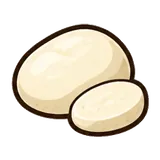
Mozzarella is a soft cheese praised for its mild flavor and melting talent, perfect for pizzas and baked goods.
Mozzarella is a fresh Italian pasta filata, or stretched-curd, cheese made from cow's milk or water buffalo milk. Fresh balls taste mild, milky and faintly sweet with a soft, bouncy bite, while low-moisture blocks are firmer, saltier and made for melting.
Cooks love mozzarella because it is the great stretcher. It melts into those long, glossy strings on pizza and baked pasta, and its gentle flavour lets bright partners like tomato, basil and good olive oil shine.
Flavor profile
Aroma: mild, milky
Good to know
Origin: Italy
Forms: fresh, low moisture, smoked
Season: Available year-round; fresh mozzarella shines in summer alongside ripe tomatoes and peaches.
Nutrition: A source of protein and calcium; fresh mozzarella is lower in salt than most aged cheeses. Contains dairy.
Storage: Keep fresh mozzarella in its liquid in the fridge and eat it within 2–3 days of opening, ideally the same day. If you lose the liquid, store it in lightly salted cold water. Low-moisture blocks last 2–3 weeks once opened if wrapped tightly. A sour smell, slimy surface or yellowing means it is past it. Low-moisture mozzarella freezes well grated for up to 3 months; fresh mozzarella does not, as it turns watery.
How to use mozzarella
Preserve Freshness
Keep mozzarella in its liquid or use soon after opening to maintain moisture and taste.
Create Stretchable Cheese Strings
Get stringy textures by using mozzarella on pizzas due to its meltability.
The science of mozzarella
- Mozzarella curds are dipped in hot water and kneaded until the casein proteins line up into long, parallel fibres. Those aligned fibres are what give melted mozzarella its famous stretch.
- Fresh mozzarella holds a lot of water, so on a hot pizza it releases steam and liquid. Low-moisture mozzarella has less water and browns and blisters instead of pooling.
- Browning spots on baked mozzarella come from the Maillard reaction between its proteins and small amounts of lactose sugar, helped by its fat.
- Freezing forms ice crystals that tear the protein fibres, so frozen fresh mozzarella turns crumbly and watery and loses much of its stretch.
How to choose mozzarella
For salads and caprese, buy fresh mozzarella or buffalo mozzarella in liquid, and check it smells sweet and milky with no sourness. For pizza and lasagne, choose whole-milk, low-moisture mozzarella in a block and grate it yourself. Burrata, a mozzarella shell filled with cream, is a great treat for eating raw.

Substitutes for mozzarella
| Swap | Amount | What changes |
|---|---|---|
| Provolone | 1:1 | Melts and stretches well with a little more tang; good on pizza. |
| Burrata | 1:1 | Even creamier for salads and serving raw; not for baking. |
| Monterey Jack | 1:1 | Mild and melty for bakes and quesadillas, with less stretch. |
| Paneer or halloumi | 1:1 | For grilling or frying only, since they hold their shape rather than melt. |
What goes with mozzarella
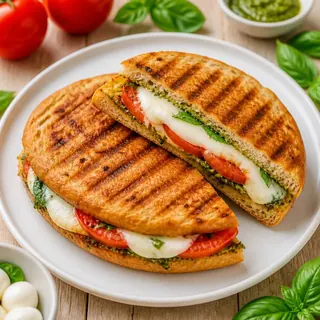
- Basil. Basil adds a peppery brightness to mozzarella's mild creaminess.
- Tomato. Tomato's acidity cuts through mozzarella's mild creaminess, adding brightness.
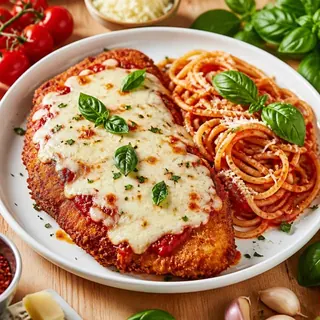
- Eggplant. Melting mozzarella adds creamy richness to eggplant's soft, bland flesh, as in parmigiana.
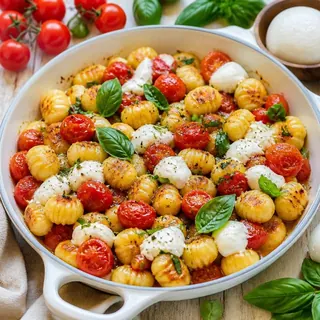
- Pasta. Melting mozzarella gives stretch and mild creaminess to baked pasta.
- Oregano. Oregano shares a green aroma family with mozzarella, making it less bland.
- Balsamic Vinegar. Balsamic vinegar's sweetness balances mozzarella's subtle creaminess.
- Artichoke. Mild, milky mozzarella melts around artichoke's earthy flavor without covering it.
- Bread. Bread's crisp crust contrasts with mozzarella's soft, milky melt.
- Olive oil. Olive oil adds fruity richness to mozzarella's mild milky flavor.
- Gochujang. Melted mozzarella tones down gochujang's heat, as in Korean fire chicken with cheese.
Mistakes to avoid
- Freezing alters texture and harms melting ability.
- Too much moisture makes dishes soggy.
Ideas for tonight
- Layer on a margarita pizza.
- Add to Caprese salad for creaminess.
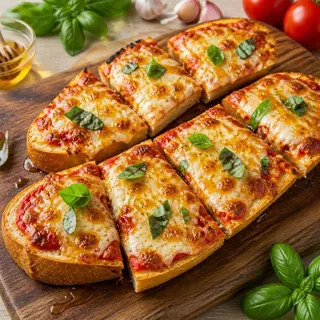
- Melt over garlic bread.
Mozzarella: questions
What is the difference between fresh and low-moisture mozzarella?
Fresh mozzarella is soft, wet and mild, best raw or added late. Low-moisture mozzarella is drier, saltier and firmer, so it melts and browns on pizza without making it soggy.
Why is my pizza soggy with fresh mozzarella?
Fresh mozzarella releases lots of water as it heats. Tear it, pat it dry with kitchen paper and let it drain for 15–30 minutes before baking, or add it halfway through cooking.
Can you freeze mozzarella?
Low-moisture mozzarella freezes well, grated, for up to 3 months. Fresh mozzarella turns watery and crumbly, so only freeze it if you plan to cook it into a sauce or bake.
What does mozzarella taste like?
Mild, milky and slightly sweet, with a little salt. Buffalo mozzarella is richer and tangier than cow's-milk versions.
Why does mozzarella stretch?
Its curds are heated and kneaded so the proteins line up into long fibres. When melted, those fibres slide past each other and pull into strings.
Is burrata the same as mozzarella?
Burrata is a pouch of mozzarella filled with cream and soft curds called stracciatella. It is richer and much softer, so it is best eaten fresh rather than baked.
What goes well with mozzarella?
Mozzarella pairs best with basil, tomato, eggplant, pasta, oregano. Basil adds a peppery brightness to mozzarella's mild creaminess.
How do you use mozzarella in cooking?
Preserve Freshness: keep mozzarella in its liquid or use soon after opening to maintain moisture and taste.
How should you store mozzarella?
Store fresh mozzarella in its brine in the refrigerator, using it quickly to enjoy its delicate flavor.
What is the most common mistake with mozzarella?
Freezing alters texture and harms melting ability.
 Tomato
 Basil
 Olive oil
 Eggplant
 Pasta
 Bread
 Balsamic Vinegar
 Ricotta