Bread
Also called loaf, bread loaf
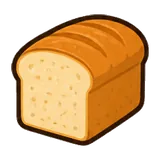
Bread is a staple made from flour and water, wildly diverse in texture and taste.
Bread is one of the oldest cooked foods there is: flour, water, salt and usually yeast, kneaded, risen and baked. Its flavour runs from mild and milky in a soft sandwich loaf to tangy and deeply toasty in a dark-crusted sourdough, with yeasty, wheaty notes in the crumb and caramel-like bitterness in the crust.
Cooks love bread because it is a carrier. It soaks up olive oil, melts butter into its pores, holds a sandwich together and turns into croutons, breadcrumbs and puddings when it starts to go stale. Learn how it ages and you will waste far less of it.
Flavor profile
Aroma: yeasty, toasty
Good to know
Origin: Middle East
Forms: sliced, whole loaf, baguette
Season: Available year-round; bake or buy fresh often, and freeze what you won't eat in a couple of days.
Nutrition: Mostly carbohydrate; wheat bread contains gluten, and wholemeal loaves bring more fibre than white.
Storage: Keep bread at room temperature, cut side down on a board or in a bread box or paper bag, and eat crusty loaves within 2–3 days. Avoid the fridge, which speeds staling. For longer storage, slice the loaf, wrap it tightly and freeze it for up to 3 months; toast slices straight from frozen. Throw away soft bread that shows any mould, since the threads can spread well beyond the visible spots.
How to use bread
Maintain Freshness
Wrap it up to limit staling; less air means less moisture loss.
Complex Crust
Light toasting triggers Maillard reactions, creating a more complex crust.
The science of bread
- When flour is mixed with water, two proteins, glutenin and gliadin, link into gluten. Kneading organises that network into a stretchy web that traps the carbon dioxide made by yeast, which is how a loaf rises and why bread flour (more protein) gives a chewier crumb.
- Yeast and bacteria ferment sugars into carbon dioxide, alcohol and dozens of aroma compounds. A long, cool rise or a sourdough starter adds lactic and acetic acids, which is why slow-fermented bread tastes tangier and more complex than a quick loaf.
- In the oven, starch gelatinises and sets the crumb while the dry surface browns through the Maillard reaction and caramelisation. That browning is where the nutty, toasty notes of crust and toast come from.
- Staling is mostly starch retrogradation, not just drying out: gelatinised starch slowly recrystallises and turns firm. It happens fastest at fridge temperatures, which is why chilled bread goes stale sooner, and gently reheating stale bread partly reverses it.
- Stale bread has a firmer, more open structure that soaks up liquid without turning to mush, which makes it better than fresh bread for panzanella, bread pudding, stuffing and breadcrumbs.
How to choose bread
Pick loaves that feel light for their size, with a crust that crackles when squeezed and an even, golden-to-dark colour. Check the ingredient list on supermarket bread; a short list usually means better flavour. For toast and sandwiches through the week, a sourdough or a loaf with a little fat in the dough stays fresh longer than a lean baguette.

Substitutes for bread
| Swap | Amount | What changes |
|---|---|---|
| Tortillas or flatbreads | 1 wrap per 2 slices | Good for sandwiches and wraps; warm them first so they fold without cracking. |
| Panko or crushed crackers | 1:1 for breadcrumbs | Use for crunchy toppings and coatings; crackers add extra salt, so season lightly. |
| Rolled oats | 1:1 for fresh breadcrumbs | Binds meatballs and burgers well and soaks up juices the same way. |
| Lettuce leaves | 2 large leaves per slice | A crisp, fresh wrap for burgers and fillings when you want something lighter. |
What goes with bread
- Butter. Butter melts into bread, creating a crispy, flavorful crust when toasted.
- Avocado. Creamy avocado fat contrasts with crisp toast, and salt and acid finish it.
- Olive oil. Bread soaks up olive oil's fruity, peppery flavor, carrying it to the palate.
- Tomato. Tomato's acidity contrasts with bread's carb heaviness, adding freshness.
- Garlic. Garlic's intense aroma diffuses into the bread pores.
- Mushroom. Mushrooms provide earthy umami that deepens bread's blandness.
- Milk. Milk soaks into bread and softens it into a tender crumb for puddings and panade.
- Mozzarella. Bread's crisp crust contrasts with mozzarella's soft, milky melt.
- Nutritional Yeast. Nutritional yeast adds savory flavor to breadcrumb toppings.
- Za'atar. Za'atar and olive oil on flatbread make Lebanese manakish.
Mistakes to avoid
- Refrigeration speeds starch retrogradation, staling bread faster.
- Slicing early exposes more surface area, speeding up drying.
Ideas for tonight
- Toast slices for a crunchy snack.
- Make a sandwich.
- Cube for salad croutons.
Bread: questions
Why does bread go stale faster in the fridge?
Staling is caused by starch recrystallising, a process called retrogradation, and it runs fastest at fridge temperatures. A loaf can stale several times quicker in the fridge than on the counter. Keep it at room temperature for a few days, or freeze it.
Can you freeze bread?
Yes, and it is the best way to keep it longer than a few days. Slice it first, wrap it well to stop freezer burn, and freeze for up to 3 months. Toast slices straight from frozen, or thaw a whole loaf at room temperature.
How do you revive stale bread?
Splash a crusty loaf with water and warm it in a 180°C (350°F) oven for 5–10 minutes. The heat re-softens the starch and crisps the crust. It will stale again quickly, so eat it soon after.
Can you cut mould off bread and eat the rest?
No. Bread is soft and porous, so mould threads spread far beyond the spots you can see. Throw away the whole loaf or bag once mould appears.
How do you know when homemade bread is baked?
The crust should be well browned and the loaf should sound hollow when tapped underneath. For certainty, check the middle with a thermometer: lean loaves are done at about 93–99°C (200–210°F).
What is the difference between sourdough and regular bread?
Sourdough rises with a wild culture of yeast and lactic acid bacteria instead of packet yeast. The slow fermentation makes acids that give it a tangy taste, a chewier crumb and a loaf that stays fresh a little longer.
What can I make with stale bread?
Stale bread is perfect for croutons, breadcrumbs, French toast, bread pudding, stuffing, panzanella and Spanish migas. Its dry, firm structure soaks up liquid without collapsing into mush.
What does bread taste like?
Bread is a staple made from flour and water, wildly diverse in texture and taste., with an aroma that is yeasty, toasty.
What goes well with bread?
Bread pairs best with butter, avocado, olive oil, tomato, garlic. Butter melts into bread, creating a crispy, flavorful crust when toasted.
How do you use bread in cooking?
Maintain Freshness: wrap it up to limit staling; less air means less moisture loss.
How should you store bread?
Store at room temperature in a breadbox or airtight container to prevent drying out.
What is the most common mistake with bread?
Refrigeration speeds starch retrogradation, staling bread faster.
 Butter
 Olive oil
 Avocado
 Tomato
 Garlic
 Flour
 Mozzarella