
Flour
Also called all-purpose flour
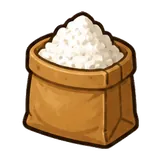
Flour's gluten traps air, structuring baked goods.
Flour is finely ground grain, most often wheat, and it is the backbone of bread, cakes, pastry, pasta and sauces. On its own it tastes neutral and faintly sweet and nutty, with whole wheat flour bringing a deeper, earthy flavour.
Cooks love flour because it builds structure. Mix it with water and it forms stretchy gluten for chewy bread; keep it tender with butter and sugar and you get flaky pastry and soft cakes; cook it in milk or butter and it thickens sauces and gravies.
Flavor profile
Aroma: neutral, nutty
Good to know
Origin: Global
Forms: all-purpose, whole wheat, cake, bread
Season: Available year-round as a pantry staple.
Nutrition: Mainly starchy carbohydrate; whole wheat flour keeps more fibre. Wheat flour contains gluten.
Storage: Keep white flour in an airtight container in a cool, dry cupboard, where it lasts 6–12 months. Whole wheat and other whole grain flours contain oils from the germ, so they go rancid in about 3 months at room temperature; keep them in the fridge or freezer for 6 months or more. A sour, musty or bitter smell means it has turned. Freezing for a few days also kills any pantry moth eggs. Raw flour is not ready to eat, so do not taste raw dough or batter.
How to use flour
Baking Bread
Gluten proteins align during kneading, forming an elastic network for rising.
Thickening Sauces
Starch granules swell and gelatinize in heat, thickening sauces.
The science of flour
- Wheat flour contains two proteins, glutenin and gliadin. When you add water and knead, they link up into gluten, an elastic network that traps gas and lets bread rise.
- Different flours have different protein levels: bread flour is high (around 12–14%) for chewy loaves, cake flour is low (around 7–9%) for tender crumbs, and all-purpose sits in between.
- Fat and sugar get in the way of gluten. Butter coats proteins and sugar holds on to water, which is why shortbread and cakes stay tender rather than chewy.
- Flour's starch granules swell and gelatinise when heated in liquid, thickening sauces. Cooking a roux first also toasts the flour, removing its raw taste and adding a nutty flavour.
- Heat drives the Maillard reaction and caramelisation on the surface of doughs, turning crusts golden and giving bread its toasty aroma.
How to choose flour
Pick flour by job: bread flour for yeasted loaves and pizza, all-purpose for most everyday baking, cake or pastry flour for soft sponges and tender pastry, and whole wheat for nuttier flavour. Unbleached flour has a slightly creamier colour and a little more flavour. Check the date, especially on whole grain flours.

Substitutes for flour
| Swap | Amount | What changes |
|---|---|---|
| All-purpose flour + cornflour (for cake flour) | remove 2 tbsp flour per cup, add 2 tbsp cornflour | Lowers protein for a softer sponge. |
| Whole wheat flour | swap up to half the white flour | Nuttier and denser; add a splash more liquid. |
| Gluten-free flour blend | 1:1 | Choose a blend with xanthan gum for baking structure. |
| Cornflour (for thickening) | use half as much | Gives a glossier, clearer sauce; mix with cold water first. |
What goes with flour
- Butter. Butter enriches flour with fat, creating tender pastries.
- Sugar. Sugar tenderizes flour's gluten, softening baked goods.
- Egg. Egg provides structure and richness to flour in cakes.
- Milk. Flour cooked in milk thickens it as the starch swells and gels, the base of white sauce.
- Salt. Salt tightens gluten and flavors dough, giving bread structure and taste.
- Honey. Honey browns flour doughs faster and keeps them moist.
- Oats. Oats add chewy texture to flour doughs and cookies.
- Vanilla. Flour's neutral taste lets vanilla's aroma show in cakes and cookies.
Mistakes to avoid
- Overmixing creates tough dough by overstretching gluten.
- Rancid old flour affects both texture and flavor.
Ideas for tonight
- Homemade bread
- Pancakes
- Breading for frying
Flour: questions
What is the difference between all-purpose and bread flour?
Protein. Bread flour has more, so it forms more gluten and gives chewy, high-rising loaves. All-purpose has a little less and works for most cakes, biscuits and sauces.
Does flour go bad?
Yes. White flour keeps 6–12 months in an airtight container; whole wheat flour about 3 months unless chilled or frozen. A sour, stale or bitter smell is the sign it has gone off.
Is it safe to eat raw flour?
No. Raw flour can carry bacteria like E. coli, so do not eat raw dough or batter. Baking, boiling or heat-treating flour to 74°C (165°F) makes it safe.
How do you measure flour correctly?
Weighing is most accurate. If using cups, spoon flour into the cup and level it with a knife; scooping straight from the bag packs it down and can add 20% extra.
Why is my dough tough?
Too much mixing or kneading for that recipe, or too much flour. For cakes, muffins and pastry, mix just until combined so gluten stays weak.
Can I use plain flour instead of self-raising?
Yes. Add about 2 teaspoons of baking powder and a pinch of salt per cup of plain flour, then whisk well.
What does flour taste like?
Flour's gluten traps air, structuring baked goods., with an aroma that is neutral, nutty.
What goes well with flour?
Flour pairs best with butter, sugar, egg, milk, salt. Butter enriches flour with fat, creating tender pastries.
How do you use flour in cooking?
Baking Bread: gluten proteins align during kneading, forming an elastic network for rising.
How should you store flour?
Store in a cool, dry place for up to a year.
What is the most common mistake with flour?
Overmixing creates tough dough by overstretching gluten.
 Butter
 Egg
 Sugar
 Milk
 Salt
 Oats
 Bread
 Pasta
