Egg
Also called chicken egg

Eggs thicken and bind when heated, thanks to protein coagulation.
The humble hen's egg is a tiny food-science lab: a protein-rich white wrapped around a fatty, golden yolk. It tastes rich, mild and gently savoury, with a faint sulphur note that grows stronger the longer it cooks.
Cooks love eggs because they do so many jobs. They bind meatballs, thicken custards, lift cakes, puff into meringue and hold mayonnaise together, and on their own they turn into breakfast, lunch or a quick dinner in minutes.
Flavor profile
Aroma: sulfur, rich, savory
Good to know
Forms: raw, boiled, poached, fried, scrambled
Season: Available year-round; hens lay more in spring and summer, but supply is steady.
Nutrition: A good source of protein. Eggs are a common allergen, so check before serving to guests.
Storage: In North America, eggs are washed before sale, so keep them in the fridge in their carton for 3–5 weeks. Store them in the body of the fridge rather than the door, where the temperature swings. To freeze, beat whole eggs or separate them and freeze in an airtight container for up to a year; whole eggs in the shell should never be frozen. Hard-boiled eggs keep about a week in the fridge. An egg that smells sulphurous or off when cracked should be thrown away.
How to use egg
Meatball Marvel
Heat the mix, and the ovalbumin and ovomucin proteins in eggs will work like culinary glue, holding everything together.
Meringue Mastery
Whipping disrupts egg proteins like ovalbumin, creating a foam that bakes into cloud-like peaks.
The science of egg
- Egg proteins unfold and link together as they heat, which is called coagulation. Whites begin to set around 62°C (144°F) and yolks around 65–70°C (149–158°F), so gentle heat gives soft, tender eggs while high heat squeezes out water and turns them rubbery.
- Whisking egg whites unfolds proteins such as ovalbumin, which then wrap around air bubbles and hold them in a foam. A trace of fat or yolk gets in the way, which is why meringue needs a spotless bowl.
- Yolks contain lecithin, a natural emulsifier with one end that likes water and one that likes fat. It lets oil and lemon juice or vinegar stay blended in mayonnaise and hollandaise.
- The green-grey ring on an overcooked hard-boiled egg is iron sulphide, formed when sulphur from the white meets iron in the yolk. Shorter cooking and a quick plunge into cold water prevents it.
- As an egg ages, carbon dioxide escapes through the shell and the white becomes more alkaline, which makes older eggs easier to peel after boiling but runnier for poaching.
How to choose egg
Check the best-before date and open the carton to make sure no shells are cracked or dirty. Very fresh eggs are best for poaching and frying because the whites hold together; eggs a week or two old peel more easily once boiled. Shell colour comes from the breed of hen and has nothing to do with taste.

Substitutes for egg
| Swap | Amount | What changes |
|---|---|---|
| Ground flaxseed + water | 1 tbsp flax + 3 tbsp water per egg | Rest 5 minutes until gel-like; good for binding muffins and pancakes, not for rise. |
| Aquafaba (chickpea liquid) | 3 tbsp per egg | Whips into meringue and binds well, thanks to dissolved proteins and starches. |
| Mashed banana | 60 g (¼ cup) per egg | Binds and adds moisture to sweet bakes, but brings its own flavour. |
| Silken tofu | 60 g (¼ cup) blended per egg | Works in quiches, dense cakes and creamy fillings. |
What goes with egg
- Cheddar. Melted cheddar's fat and sharpness enrich eggs' smooth texture.
- Asparagus. A runny yolk acts as a sauce for asparagus, coating its grassy flavor in richness.
- Butter. Butter's milk fat makes scrambled eggs and sauces silky.
- Cream. Cream and egg set into custard because yolk proteins thicken as they heat.
- Milk. Milk loosens egg into a soft custard or scramble.
- Black pepper. Black pepper's spice cuts through egg's inherent richness.
- Tomato. Moisture in tomatoes prevents eggs from drying out.
- Flour. Egg provides structure and richness to flour in cakes.
- Mayonnaise. Mayonnaise is an emulsion of egg yolk and oil, so egg's own lecithin holds it together.
- Gochujang. A runny yolk softens gochujang's heat and turns into sauce over rice.
Mistakes to avoid
- Overheated proteins turn rubbery. Avoid the texture of a super ball.
- If you skip the whisking, you'll miss that perfect, airy meringue foam.
Ideas for tonight
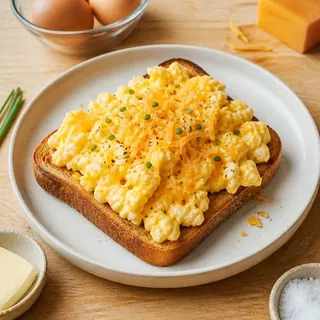
- Scrambled eggs with chives
- Egg drop soup
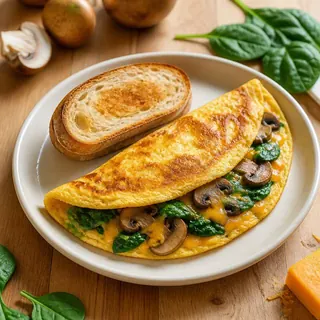
- Omelette with cheese
Egg: questions
How long should you boil an egg?
From boiling water, cook large eggs about 6–7 minutes for a jammy yolk and 9–10 minutes for hard-boiled. Plunge them into cold water straight away to stop the cooking and make peeling easier.
Do eggs need to be refrigerated?
Washed eggs, which is what supermarkets in Canada and the US sell, must be kept in the fridge. Washing removes the shell's natural protective coating, so they are more vulnerable to bacteria at room temperature.
How can you tell if an egg is bad?
Crack it into a separate bowl and smell it; a bad egg smells clearly sulphurous or sour. The float test only shows age, since older eggs float as their air pocket grows, not whether an egg is spoiled.
Is it safe to eat raw eggs?
Raw or runny eggs carry a small risk of salmonella. Pregnant people, young children, older adults and anyone with a weakened immune system should eat eggs cooked until firm, or use pasteurised eggs for raw recipes.
Why are my scrambled eggs rubbery?
The heat was too high or they cooked too long, so the proteins squeezed out their water. Cook them low and slow, stirring, and take them off the heat while they still look slightly wet.
Can you freeze eggs?
Yes, but not in the shell. Beat whole eggs with a pinch of salt or sugar, or freeze whites and yolks separately, and use them within a year.
Why are fresh eggs hard to peel?
In very fresh eggs, the white sticks tightly to the inner membrane. Eggs a week or two old, or eggs lowered straight into boiling water, peel far more cleanly.
What does egg taste like?
Eggs thicken and bind when heated, thanks to protein coagulation., with an aroma that is sulfur, rich, savory.
What goes well with egg?
Egg pairs best with cheddar, asparagus, butter, cream, milk. Melted cheddar's fat and sharpness enrich eggs' smooth texture.
How do you use egg in cooking?
Meatball Marvel: heat the mix, and the ovalbumin and ovomucin proteins in eggs will work like culinary glue, holding everything together.
How should you store egg?
Refrigerated unwashed eggs can last up to 3 weeks.
What is the most common mistake with egg?
Overheated proteins turn rubbery. Avoid the texture of a super ball.
 Butter
 Cream
 Milk
 Cheddar
 Asparagus
 Bacon
 Mayonnaise
 Flour