
Asparagus
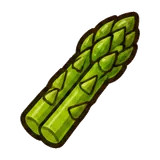
With an earthy note, asparagus works for roasting and steaming.
Asparagus is the young shoot of a perennial plant, cut just as it pushes up out of the soil each spring. Green spears taste fresh, grassy and gently sweet with a light earthy, nutty note; white asparagus, grown under soil to keep it from the light, is milder and more delicate; purple spears are a touch sweeter.
Cooks love asparagus because it marks the arrival of spring and needs almost nothing done to it. A few minutes of roasting, grilling or steaming, some butter or olive oil, a squeeze of lemon, perhaps an egg or some parmesan, and you have one of the best vegetable dishes of the year.
Flavor profile
Aroma: grassy
Good to know
Origin: Europe
Forms: fresh, frozen, canned
Season: Asparagus is a true spring vegetable, with local spears at their best from April to June in the Northern Hemisphere.
Nutrition: A green vegetable that adds fibre and folate to a meal, and is low in calories on its own.
Storage: Treat asparagus like a bunch of flowers: trim the ends, stand the spears upright in a jar with 2–3 cm of water, cover loosely with a bag and keep it in the fridge. It stays fresh for 3–5 days, though it is sweetest within a day or two. Slimy tips, a sour smell or very limp spears mean it is past its best. To freeze, blanch for 2–3 minutes, chill in iced water, dry well and freeze flat for up to 8 months; cook it from frozen in soups, pasta and frittatas.
How to use asparagus
Roast for Deeper Flavors
Roasting causes Maillard reactions, adding deep flavors and some caramelization.
Steam for Tenderness
Steaming keeps it green, softens fibers, and maintains a mild taste.
The science of asparagus
- Asparagus spears get tougher from the base up as the plant lays down lignin, a woody polymer that heat cannot soften. Bending a spear until it snaps roughly finds the line where tender flesh meets woody stem.
- Its bright green comes from chlorophyll. Short cooking keeps it vivid, but long cooking, or adding lemon too early, swaps the magnesium at the centre of chlorophyll for hydrogen and turns the spears olive drab. Add acid at the end.
- Roasting at 220°C (425°F) drives off surface moisture so the tips and edges brown through the Maillard reaction and caramelisation, giving a deeper, nuttier flavour than steaming.
- Asparagus sugars start converting into fibre soon after harvest, so spears lose sweetness and get tougher the longer they sit. Fresh, local asparagus really does taste sweeter.
- That famous smell after eating asparagus comes from asparagusic acid, which the body breaks down into sulphur compounds. Not everyone produces it, and not everyone can smell it.
How to choose asparagus
Look for firm, straight spears with tight, compact tips and a fresh, moist base. The spears should snap rather than bend. Thickness is personal taste: thin spears cook fast and suit stir-fries, while thick ones are juicy and meaty for roasting and grilling. Avoid spears with open, mushy or slimy tips or wrinkled, dry stems.

Substitutes for asparagus
| Swap | Amount | What changes |
|---|---|---|
| Green beans | 1:1 | Similar grassy, green flavour and cooking time; great roasted or blanched. |
| Broccolini (tenderstem broccoli) | 1:1 | Long, tender stalks that roast and grill like asparagus, with a mild brassica note. |
| Leeks | 1:1, cut into batons | Softer and sweeter; good in tarts, risotto and gratins. |
| Fine green beans + a few peas | 1:1 | Works well in spring pasta and risotto where asparagus would be chopped. |
What goes with asparagus
- Egg. A runny yolk acts as a sauce for asparagus, coating its grassy flavor in richness.
- Lemon. Lemon's acidity heightens asparagus's green flavors.
- Salmon. Asparagus's green, fresh flavor cuts the oiliness of roasted salmon.
- Butter. Butter's fat coats and highlights asparagus's crisp texture.
- Parmesan. Parmesan's umami contrasts with asparagus's green notes.
- Olive oil. Olive oil's fat carries asparagus's aroma compounds.
- Sesame Seed. Toasted sesame adds nutty crunch to steamed or blanched asparagus.
- Shallot. Shallot's mild sweetness suits asparagus without overpowering it.
- Scotch Bonnet. Scotch bonnet's heat bulldozes asparagus's subtle green flavor.
Mistakes to avoid
- Overheating makes it mushy by degrading cellulose.
- Tough ends from leaving lignin.
Ideas for tonight
- Grill with lemon and garlic.
- Add to pasta with parmesan.
- Serve steamed with hollandaise sauce.
Asparagus: questions
How do you trim asparagus?
Hold a spear near each end and bend it until it snaps; it will usually break where the woody part starts. Use that one as a guide to cut the rest of the bunch, or peel the lower third of thick spears instead of snapping.
How long do you roast asparagus?
Toss spears in oil and salt and roast at 220°C (425°F). Thin spears take 7–10 minutes; thick ones 12–15 minutes. They are done when tender at the base with lightly browned tips.
How do you know when asparagus is cooked?
A knife should slip into the thickest part with just a little resistance, and the spears should bend slightly when lifted but not flop. They should still be bright green.
Is white asparagus the same as green?
It is the same plant, grown covered with soil so it never makes chlorophyll. White asparagus is milder and more delicate, with a tougher skin that should always be peeled.
Can you freeze asparagus?
Yes, but blanch it first for 2–3 minutes and cool it quickly in iced water. Frozen asparagus will be softer, so it is best in soups, quiches and pasta.
Can you eat asparagus raw?
Yes. Shave it into thin ribbons with a vegetable peeler and dress it with lemon, olive oil and parmesan. Fresh, thin spears are tender and sweet raw.
Why does asparagus make your pee smell?
Asparagus contains asparagusic acid, which the body breaks down into smelly sulphur compounds. It is harmless, and many people either do not produce the smell or cannot detect it.
What does asparagus taste like?
With an earthy note, asparagus works for roasting and steaming., with an aroma that is grassy.
What goes well with asparagus?
Asparagus pairs best with egg, lemon, salmon, butter, parmesan. A runny yolk acts as a sauce for asparagus, coating its grassy flavor in richness.
How do you use asparagus in cooking?
Roast for Deeper Flavors: roasting causes Maillard reactions, adding deep flavors and some caramelization.
How should you store asparagus?
Keep in refrigerated in a loose plastic bag or standing in water for better hydration.
What is the most common mistake with asparagus?
Overheating makes it mushy by degrading cellulose.
 Egg
 Lemon
 Parmesan
 Butter
 Salmon
 Shallot
 Green Bean
 Olive oil
