Olive oil
Also called extra virgin olive oil
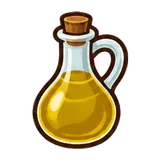
Extra virgin olive oil has a fruity aroma that lasts with gentle heat but not with frying.
Olive oil is the juice of pressed olives, and extra virgin is the best grade: pressed mechanically without heat or chemicals and judged on taste. It is the everyday fat of the Mediterranean, used for everything from frying eggs to finishing soup.
Good extra virgin oil tastes grassy and fruity, with a gentle bitterness and a peppery catch at the back of the throat. Cooks love it because it does two jobs: a mild bottle handles sautéing and roasting, while a fresh, punchy bottle drizzled at the end can make plain beans, bread or tomatoes taste special.
Flavor profile
Aroma: grassy, fruity, peppery
Good to know
Origin: Mediterranean
Forms: extra virgin, refined
Season: Available year-round. New-season oils from the Northern Hemisphere arrive in late autumn and winter, when they taste their greenest and most peppery.
Nutrition: Mostly monounsaturated fat; like all oils it is calorie-dense, so a generous drizzle goes a long way.
Storage: Light, heat and air are olive oil's enemies, so keep it in a cool, dark cupboard away from the stove, with the cap tightly on. Unopened, it keeps for 18–24 months from bottling; once opened, aim to use it within 2–3 months for the best flavour. Rancid oil smells like crayons, putty or stale nuts and tastes greasy rather than fruity. You can refrigerate it, but it will turn cloudy and thick; that is just fats crystallising, and it clears at room temperature. Decant a big tin into a small bottle for daily use so the rest stays sealed.
How to use olive oil
Finish raw
Drizzle over finished food to preserve its fresh aroma.
Cook with a mild one
Use cheaper or refined oil for high-heat searing, and save the good bottle for finishing.
The science of olive oil
- Olive oil is mostly oleic acid, a monounsaturated fat. It is more stable under heat than many seed oils that are high in polyunsaturated fats, so it holds up well to everyday sautéing and roasting.
- The peppery throat sting and bitterness come from polyphenols, including oleocanthal. Fresh, early-harvest oils have the most, and these compounds fade as the oil ages, so a mild, flat-tasting oil is often an old one.
- The green, grassy aroma comes from volatile compounds formed the moment olives are crushed. They are delicate and evaporate with heat, which is why the best extra virgin oil shines raw or added at the end.
- Extra virgin olive oil starts to smoke at roughly 190–210°C (375–410°F), while refined olive oil goes higher, around 230°C (445°F). Past the smoke point, fats break down into acrid compounds that make food taste harsh.
- Oil and vinegar don't mix on their own, but whisking breaks the oil into tiny droplets that stay suspended for a while. Mustard or honey help stabilise the dressing so it stays creamy longer.
How to choose olive oil
Buy extra virgin olive oil in dark glass or tins, and look for a harvest date within the last year or so rather than just a best-before date. Pick a mild, buttery oil for everyday cooking and a grassy, peppery one for finishing. Avoid bottles that have sat in a bright shop window.

Substitutes for olive oil
| Swap | Amount | What changes |
|---|---|---|
| Avocado oil | 1:1 | Mild and buttery with a high smoke point, so it works for cooking and dressings, though it lacks olive oil's peppery bite. |
| Neutral vegetable or sunflower oil | 1:1 | Fine for frying and baking. In dressings, add a little extra seasoning since you lose the fruity flavour. |
| Melted butter | 1:1 | Works for sautéing at medium heat and in baking, bringing a rich dairy flavour instead of a grassy one. |
What goes with olive oil
- Garlic. Garlic's flavor compounds dissolve in oil, so gentle frying spreads them everywhere.
- Vinegar. Acidic vinegar prevents olive oil from feeling greasy in salads.
- Anchovy. Olive oil carries anchovy's umami punch through the dish.
- Bread. Bread soaks up olive oil's fruity, peppery flavor, carrying it to the palate.
- Tomato. Tomato's flavor compounds are fat-soluble, so oil carries and rounds out its acidity.
- Basil. Olive oil's fat carries basil's volatile oils to coat your palate in flavor.
- Lemon. Olive oil smooths lemon's sharp acidity in dressings.
- Rosemary. Olive oil captures rosemary's volatile oils for a fragrant experience.
- Black pepper. Olive oil disperses pepper's piquant heat evenly.
- Paprika. Olive oil spreads paprika’s color and flavor evenly across a dish.
Mistakes to avoid
- Letting it smoke in the pan, which makes food taste harsh.
- Storing it next to the stove, where heat and light spoil it.
Ideas for tonight
- Drizzle over a bowl of white beans.
- Whisk with lemon and salt for a dressing.
- Warm with garlic as a dip for bread.
Olive oil: questions
Can you fry with extra virgin olive oil?
Yes. Extra virgin olive oil handles sautéing, roasting and shallow frying well, with a smoke point of roughly 190–210°C (375–410°F). For very high-heat searing or deep frying, a refined olive oil or neutral oil is cheaper and smokes less.
What is the difference between olive oil and extra virgin olive oil?
Extra virgin is unrefined oil that passes strict taste and acidity tests. Bottles labelled simply olive oil or light olive oil are mostly refined oil blended with a little virgin oil, so they taste milder and handle higher heat.
Why does olive oil taste peppery?
That throat-tickling burn comes from polyphenols such as oleocanthal. It is a sign of fresh, high-quality oil, and it softens as the oil ages.
Does olive oil go bad?
Yes, it slowly oxidises and turns rancid. If it smells like crayons or stale nuts, or tastes greasy and flat, it is past its best. It won't usually make you ill, but it will make food taste off.
Why does olive oil go cloudy in the fridge?
Some of its fats and natural waxes solidify in the cold. It is harmless, and the oil turns clear and runny again once it warms to room temperature.
Can you bake with olive oil?
Yes. Olive oil makes moist, tender cakes, especially citrus, almond and chocolate ones. Use a mild oil if you don't want a grassy flavour, and swap it 1:1 for other oils or about three-quarters of the amount of melted butter.
What does olive oil taste like?
Extra virgin olive oil has a fruity aroma that lasts with gentle heat but not with frying., with an aroma that is grassy, fruity, peppery.
What goes well with olive oil?
Olive oil pairs best with garlic, vinegar, anchovy, bread, tomato. Garlic's flavor compounds dissolve in oil, so gentle frying spreads them everywhere.
How do you use olive oil in cooking?
Finish raw: drizzle over finished food to preserve its fresh aroma.
How should you store olive oil?
Keep in a dark bottle away from heat and light, and use within a few months of opening.
What is the most common mistake with olive oil?
Letting it smoke in the pan, which makes food taste harsh.
 Garlic
 Bread
 Vinegar
 Tomato
 Basil
 Lemon
 Anchovy
 Balsamic Vinegar