Paprika
Also called pimentón
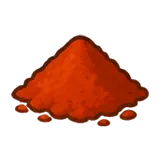
Paprika is powdered dried peppers; its flavor and color dissolve best in fat.
Paprika is a powder made from dried red peppers, ranging from sweet and mild to properly hot. Good sweet paprika tastes like concentrated roasted red pepper: fruity, earthy and gently sweet, with a faint smoky edge and a colour that turns any oil brick-red.
Cooks love it for both taste and looks. It is the heart of Hungarian goulash and chicken paprikash, the dusting on devilled eggs, and a quick way to make roast potatoes, prawns or chicken thighs look and taste more golden.
Flavor profile
Aroma: sweet pepper, smoky, earthy
Good to know
Origin: Central America via Spain and Hungary
Forms: sweet, smoked, hot
Season: Available year-round; new-season paprika from the late summer pepper harvest reaches shops in autumn and is at its most vibrant then.
Nutrition: Used in small amounts, so it adds flavour and colour more than nutrition.
Storage: Keep paprika in a sealed tin or dark jar, away from light, heat and steam. It is at its best for about 6 months and noticeably dull after a year. Some cooks keep it in the fridge or freezer to slow fading, which works if the container is airtight and you let it come to room temperature before opening so no condensation gets in. If it looks brown or smells of nothing, replace it.
How to use paprika
Bloom in fat
Stir into warm oil for 10 to 15 seconds. The colorful compounds are fat-soluble and spread through the dish.
Pick the type
Sweet for color, smoked for a bacon-like depth, hot for heat.
The science of paprika
- The red colour comes from carotenoids such as capsanthin and capsorubin. They are fat-soluble, so blooming paprika in oil or butter spreads colour and flavour evenly, while stirring it into water leaves it gritty and pale.
- Paprika is rich in natural sugars, which is why it scorches so easily. In oil hotter than a gentle sizzle, those sugars burn within seconds and turn the spice brown and bitter.
- Hot paprika gets its kick from capsaicin, which lives mainly in the pepper's ribs and seeds. Sweet paprika is made from peppers with those parts removed or from mild varieties.
- Light and air break down the carotenoids over time, so old paprika fades from vivid red to rusty brown and loses its fruity aroma.
How to choose paprika
Look for a bright, vivid red with no brown tinge, and a sweet, peppery smell. Hungarian and Spanish paprikas are usually labelled by type: sweet (édesnemes or dulce), hot (csípős or picante) or smoked (pimentón). Buy small tins and use them up rather than keeping one jar for years.

Substitutes for paprika
| Swap | Amount | What changes |
|---|---|---|
| Smoked paprika | use half as much | Same base, but the smoke is strong and will change the dish's character. |
| Ancho chilli powder | 1:1 | Fruity and mildly hot with a darker, raisin-like note. |
| Cayenne pepper | use a tenth as much | Gives the heat of hot paprika but none of the sweetness or colour. |
| Aleppo pepper | 1:1 | Fruity, gently hot and slightly oily; lovely as a finishing sprinkle. |
What goes with paprika
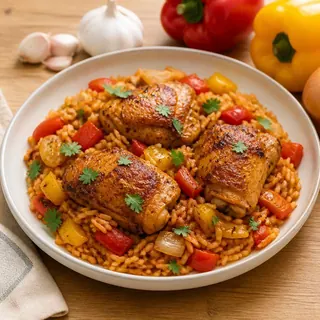
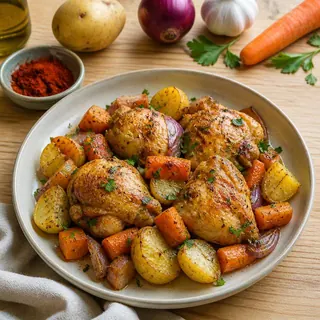
- Chicken thigh. Paprika's fat-soluble color and sweet-smoky flavor spread through chicken fat.
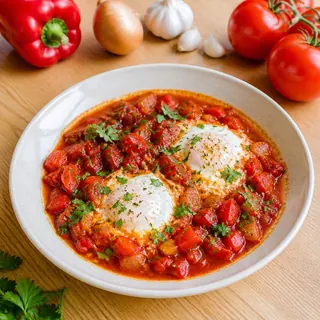
- Tomato. Tomato's acidity balances paprika's rich, sweetly heated flavor.
- Garlic. Garlic's intensity amplifies paprika's aromatic spices.
- Olive oil. Olive oil spreads paprika’s color and flavor evenly across a dish.
- Shrimp. Paprika's smokiness contrasts shrimp's sweetness.
- Crab. Paprika adds smokiness, amplifying crab's sweet, briny taste.
- Bell Pepper. Paprika is dried ground sweet pepper, so it deepens fresh bell pepper's own sweet flavor.
- Onion. Paprika's mild sweetness and color pair with sweet cooked onion in goulash.
- Pork Shoulder. Paprika's mild sweet heat colors and seasons pork in rubs.
- Potato. Paprika's mild sweet heat seasons roasted potato.
Mistakes to avoid
- Scorching it in hot oil, which turns it acrid and brown.
- Using old, dull paprika and expecting flavor.
Ideas for tonight
- Rub smoked paprika on chicken thighs.
- Stir into scrambled eggs with butter.
- Dust over roasted potatoes with olive oil.
Paprika: questions
What does paprika taste like?
Sweet paprika tastes like dried roasted red pepper: fruity, earthy and mildly sweet. Hot paprika adds chilli heat, and smoked paprika adds a strong wood-smoke note.
Is paprika spicy?
Sweet paprika is not spicy at all. Hot paprika has a noticeable kick, but it is still milder than cayenne.
What is the difference between paprika and smoked paprika?
Both are ground dried peppers. Smoked paprika, or pimentón, is dried over oak smoke before grinding, which gives it a deep, bacon-like flavour.
How do I stop paprika from burning?
Take the pan off the heat or lower it before adding paprika, stir for 10–15 seconds, then add liquid or other ingredients. It burns fast because of its natural sugars.
Is paprika the same as chilli powder?
No. Paprika is made from one type of pepper. Chilli powder is often a blend that includes cumin, garlic and oregano, and is usually hotter.
Does paprika go off?
It does not become unsafe, but it fades fast. Once it turns brownish and loses its smell, it adds little more than dust.
What goes well with paprika?
Paprika pairs best with chicken thigh, tomato, garlic, olive oil, shrimp. Paprika's fat-soluble color and sweet-smoky flavor spread through chicken fat.
How do you use paprika in cooking?
Bloom in fat: stir into warm oil for 10 to 15 seconds. The colorful compounds are fat-soluble and spread through the dish.
How should you store paprika?
Keep in a sealed tin away from light and heat; it fades to dull red in about 6 months.
What is the most common mistake with paprika?
Scorching it in hot oil, which turns it acrid and brown.
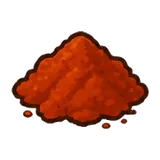 Smoked Paprika
 Chicken thigh
 Bell Pepper
 Onion
 Potato
 Sour Cream
 Garlic
 Cumin