
Smoked Paprika
Also called pimentón
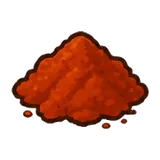
Smoked paprika brings a deep, smoky flavor to meats and vegetables.
Smoked paprika, or pimentón, is made from red peppers that are slowly dried over smouldering oak wood before being ground. The most famous comes from La Vera in western Spain. It tastes deeply smoky, earthy and warm, with the sweet, fruity body of roasted red pepper underneath.
Cooks love it because it adds a barbecue-like depth without a barbecue. A spoonful gives chorizo its character, transforms patatas bravas, beans and lentils, and makes vegetarian dishes taste almost bacony.
Flavor profile
Aroma: smoky, sweet
Good to know
Origin: Spain
Forms: ground
Season: Available year-round; the La Vera peppers are harvested and smoke-dried in autumn.
Nutrition: Used in small amounts, so it adds flavour and colour more than nutrition.
Storage: Keep smoked paprika in its tin or an airtight, dark jar in a cool cupboard away from the hob. It is at its best for about 6–12 months; after that it fades in colour and the smoke softens. If it smells more dusty than smoky, it is time to replace it. You can store it in the fridge to slow fading, but let it come to room temperature before opening to avoid condensation.
How to use smoked paprika
Smoking Out Meats
Paprika's wood-smoking process infuses a smoke flavor into your meats.
Deepening Stews
Smoked elements add more complexity to your stews.
The science of smoked paprika
- During the slow smoke-drying, the peppers absorb phenolic compounds from the wood smoke, such as guaiacol and syringol. These give the deep, bacon-like smoky aroma.
- Like regular paprika, its red colour comes from carotenoids such as capsanthin, which are fat-soluble. Blooming it in warm oil spreads both colour and smoke through a dish.
- Paprika is high in natural sugars, so it scorches quickly. Hot oil above a gentle sizzle can turn it bitter and acrid in seconds, so add it off the heat or with liquid soon after.
- Hot pimentón (picante) contains more capsaicin from the pepper ribs and seeds; bittersweet (agridulce) sits in the middle; sweet (dulce) has almost none.
How to choose smoked paprika
Look for Pimentón de la Vera with a protected designation, usually sold in small tins labelled dulce (sweet), agridulce (bittersweet) or picante (hot). The colour should be a rich, deep brick red and the smell should hit you with smoke as soon as you open the tin. Dull brown powder with little smell is old.

Substitutes for smoked paprika
| Swap | Amount | What changes |
|---|---|---|
| Sweet paprika + a pinch of chipotle | 1:1 | Gets the smoke and colour, with a little extra heat from the chipotle. |
| Chipotle powder | use half as much | Smoky and much hotter; great in chilli and rubs. |
| Sweet paprika + a drop of liquid smoke | 1:1 | Use liquid smoke sparingly; it is very strong. |
| Ancho chilli powder | 1:1 | Fruity and mildly smoky; a gentler swap. |
What goes with smoked paprika
- Garlic. Garlic bolsters the savory, smoky essence of smoked paprika.
- Chicken thigh. Smoked paprika brings out the umami in chicken thighs.
- Lime. The acidity in lime contrasts and lifts the smoky notes of paprika.
- Olive oil. Fat in olive oil helps carry the smoky flavor of paprika into dishes.
- Tomato. Tomato's acidity brightens the smoky-sweet flavor of paprika.
- Chickpea. Smoked paprika adds smoky, sweet depth to mild chickpeas.
- Cumin. Cumin's earthiness and smoked paprika's smoke form a common rub base.
- Molasses. Molasses's dark sweetness pairs with smoked paprika in barbecue rubs.
- Pork Shoulder. Smoked paprika's smoky sweetness is a classic rub for pork shoulder.
- Potato. Smoked paprika coats potato in smoky sweetness, as in patatas bravas.
Mistakes to avoid
- Overuse leads to overpowering smokiness.
- High heat changes certain flavor nuances.
Ideas for tonight
- Sprinkle over roasted potatoes.
- Mix into chili or sauces.
- Incorporate into a rub for grilled chicken.
Smoked Paprika: questions
What does smoked paprika taste like?
It tastes smoky, earthy and warm, like roasted red pepper cooked over a wood fire. Sweet versions are mild, while hot versions have a real chilli kick.
Is smoked paprika spicy?
Sweet smoked paprika is not spicy. Bittersweet is mildly warm, and hot (picante) has a noticeable kick. Check the label.
Can I use smoked paprika instead of paprika?
Yes, but use about half as much and expect a smoky flavour. It will change the character of delicate dishes like paprikash.
What is smoked paprika good on?
It is brilliant on roast potatoes, chickpeas, beans, eggs, prawns, chicken thighs, pork and in tomato-based stews. It also adds meaty depth to vegetarian chilli.
Why does my smoked paprika taste bitter?
It was probably fried in oil that was too hot. Add it to warm, not smoking, oil for 10–15 seconds, then add liquid.
What is pimentón?
Pimentón is the Spanish word for paprika. Pimentón de la Vera specifically means peppers smoke-dried over oak in the La Vera region.
What goes well with smoked paprika?
Smoked Paprika pairs best with garlic, chicken thigh, lime, olive oil, tomato. Garlic bolsters the savory, smoky essence of smoked paprika.
How do you use smoked paprika in cooking?
Smoking Out Meats: paprika's wood-smoking process infuses a smoke flavor into your meats.
How should you store smoked paprika?
Store in a cool, dark place in an airtight container.
What is the most common mistake with smoked paprika?
Overuse leads to overpowering smokiness.
 Paprika
 Cumin
 Chickpea
 Potato
 Pork Shoulder
 Garlic
 Chicken thigh
