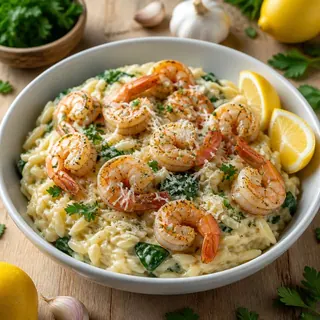
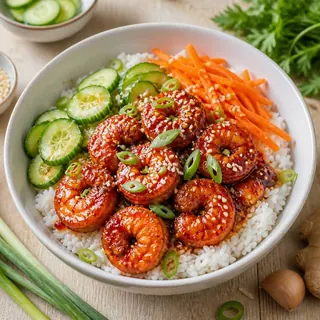
Shrimp

Shrimp cooks fast, with proteins firming quickly for a unique texture.
Shrimp are small crustaceans caught and farmed in salt and fresh water all over the world, sold raw or cooked, shell-on or peeled, and very often frozen. They taste sweet and briny with a clean ocean aroma and a gentle warmth that deepens when seared.
Cooks love shrimp because they are fast. They go from raw to perfect in two or three minutes, pick up garlic, chilli and citrus instantly, and slide into tacos, pasta, curries, stir-fries and salads with almost no prep.
Flavor profile
Aroma: briny, sweet, oceanic
Good to know
Origin: Found in both freshwater and saltwater globally
Forms: raw, cooked, frozen
Season: Available year-round, mostly frozen; local wild shrimp seasons vary by region.
Nutrition: A good source of lean protein. Shellfish is a major allergen, so always check with guests.
Storage: Keep fresh raw shrimp in the coldest part of the fridge and cook within 1–2 days. Frozen shrimp keep 6–12 months in the freezer. Thaw them overnight in the fridge, or in a sealed bag under cold running water for about 15 minutes, never at room temperature. Cooked shrimp keep 3–4 days chilled. An ammonia smell, slimy texture or soft, mushy flesh means they should be thrown away.
How to use shrimp
Speedy Sauté
Blast on high heat to firm actomyosin. Juicy shrimp, rapid results.
Citrus Ceviche
Acid from citrus 'cooks' the shrimp as sure as heat would.
The science of shrimp
- Raw shrimp look grey because their red pigment, astaxanthin, is bound up with a protein. Heat unfolds that protein and releases the pigment, which is why shrimp turn pink and orange as they cook.
- Shrimp muscle has very little connective tissue and its proteins set quickly at low temperatures. Past about 60°C (140°F) inside they start to squeeze out water and turn rubbery, so timing matters more than heat.
- A short brine of salt, or salt with a pinch of baking soda, loosens the muscle proteins so they hold more water. The baking soda also raises the surface pH, which helps shrimp brown faster in a hot pan.
- Shrimp shells are packed with flavour. Simmering them in water or frying them in butter extracts proteins and aroma compounds for quick stocks and bisques.
- Shrimp contain enzymes that break down their own muscle soon after harvest, which is why most are frozen at sea. Very long acidic marinades also start to cook and soften the flesh.
How to choose shrimp
Frozen shrimp are usually the freshest choice, since most thawed shrimp at the counter were frozen anyway. Look for firm, translucent flesh with no black spots and a mild sea smell; avoid any whiff of ammonia. Check the label for added sodium tripolyphosphate if you want pure shrimp, and note the count per pound or kilo, since lower numbers mean bigger shrimp.

Substitutes for shrimp
| Swap | Amount | What changes |
|---|---|---|
| Prawns | 1:1 | Cooks the same way; the names are used almost interchangeably in shops. |
| Scallops | 1:1 by weight | Sweet and quick-cooking; sear hard and pull them while the centres are still translucent. |
| Firm white fish (cod or halibut) | 1:1 | Cut into chunks for curries, tacos and stews; handle gently so it doesn't flake apart. |
| Extra-firm tofu | 1:1 | A shellfish-free option for stir-fries and curries; press and brown it first. |
What goes with shrimp
- Garlic. Garlic aroma intensifies quickly, matching shrimp's fast cook time.
- Lime. Lime's acidity cuts shrimp's sweetness and keeps it bright.
- Avocado. Cool, buttery avocado softens the sweet snap of shrimp.
- Coconut Milk. Coconut milk's sweet fat balances shrimp's brininess in curries.
- Lemon. Lemon's acid brightens shrimp's sweet flavor.
- Tortilla. Quick-seared shrimp make fast, tasty tacos.
- Paprika. Paprika's smokiness contrasts shrimp's sweetness.
- Cilantro. Cilantro's fresh notes add contrast to shrimp.
- Chili Flake. Chili flakes add heat that contrasts shrimp's sweetness.
- Grapefruit. Shrimp's slight sweetness works against grapefruit’s tart bite.
Mistakes to avoid
- Overcook, and your shrimp's texture rivals rubber bands.
- Ignore the vein, and you might get some grit with your flavor.
Ideas for tonight
- Garlic shrimp pasta
- Shrimp tacos with lime
- Coconut shrimp
Shrimp: questions
How do you know when shrimp is cooked?
Cooked shrimp turn pink and opaque all the way through and curl into a loose C shape. A tight O shape usually means they are overcooked. They are done at about 60°C (140°F) inside.
How long does it take to cook shrimp?
Medium to large shrimp take about 1–2 minutes per side in a hot pan, or 2–3 minutes in boiling water. In a 200°C (400°F) oven they need around 6–8 minutes.
Do you have to devein shrimp?
The dark vein is the digestive tract, and it is safe to eat. Removing it is mostly about texture and appearance, especially in large shrimp where it can feel gritty.
What is the difference between shrimp and prawns?
Biologically they are different animals with slightly different body structures, but in cooking they taste and behave much the same. Shop labels often use the words based on size or region rather than species.
Can you cook shrimp from frozen?
Yes. Rinse off any ice glaze and add a minute or two to the cooking time. They brown better if thawed and patted dry first, though.
Should you cook shrimp with the shell on?
Shell-on shrimp stay juicier and taste sweeter on the grill or in a boil, because the shell protects the flesh. Peeled shrimp are easier to eat and soak up sauce better in pastas and stir-fries.
What does shrimp taste like?
Shrimp cooks fast, with proteins firming quickly for a unique texture., with an aroma that is briny, sweet, oceanic.
What goes well with shrimp?
Shrimp pairs best with garlic, lime, avocado, coconut milk, lemon. Garlic aroma intensifies quickly, matching shrimp's fast cook time.
How do you use shrimp in cooking?
Speedy Sauté: blast on high heat to firm actomyosin. Juicy shrimp, rapid results.
How should you store shrimp?
Keep refrigerated for up to 2 days or frozen for longer storage.
What is the most common mistake with shrimp?
Overcook, and your shrimp's texture rivals rubber bands.
 Garlic
 Lime
 Lemon
 Avocado
 Coconut Milk
 Scallop
 Crab