Chili Flake
Also called red pepper flakes, crushed red pepper
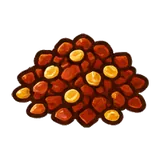
Chili flakes add sharp heat while keeping the dish's core flavors intact.
Chili flakes (also sold as red pepper flakes or crushed red pepper) are dried red chillies crushed into rough flakes, seeds and all. They bring sharp, warm heat with a light peppery, slightly earthy edge and just a whisper of fruity sweetness.
Cooks love them because they are the easiest heat in the kitchen: a pinch wakes up pizza, pasta, eggs and greens without changing the dish's character. Bloom them in oil and the whole pan glows with gentle, even warmth.
Flavor profile
Aroma: hot, peppery
Good to know
Origin: Americas
Forms: crushed
Season: Available year-round as a dried pantry spice; fresh-crop flakes from late-summer chilli harvests have the brightest colour.
Nutrition: Used in pinches, so it adds flavour and heat rather than meaningful nutrition.
Storage: Keep chili flakes in an airtight jar in a cool, dark cupboard, away from the stove's heat and steam. They stay at their best for about 6 months and are still usable for a year or more, though they slowly fade. Signs they are past it: a brownish colour, no smell when crushed between your fingers, or any clumping from moisture. You can freeze them in a sealed bag to keep the colour bright longer, but let the bag come to room temperature before opening so condensation does not form.
How to use chili flake
Managing Spice
Adding later lets you control the capsaicin heat and avoids flavor loss.
Layering Heat
Fat helps spread capsaicin evenly, preventing hot spots in your sauce.
The science of chili flake
- The burn comes from capsaicin, which binds to TRPV1 receptors on your tongue, the same sensors that detect real heat. Your brain reads it as burning even though nothing is hot.
- Capsaicin is very heat-stable, so long cooking does not reduce the burn much. If a dish is too hot, you have to dilute it with more base rather than simmer it away.
- Capsaicin dissolves in fat and alcohol but barely in water. Warming flakes in oil spreads the heat evenly through a sauce, and dairy or fatty foods calm the burn far better than a glass of water.
- The seeds and pale inner ribs carry most of the capsaicin, which is why flakes with lots of seeds taste hotter. Toasting the flakes briefly also triggers Maillard browning on the dried flesh, adding a roasty depth.
- Dried chilli loses its volatile aroma compounds and red pigments (carotenoids) over time through oxidation. Old flakes turn brownish and taste dusty, even though the capsaicin heat lingers.
How to choose chili flake
Look for flakes that are bright red rather than dull brown, with a fresh, fruity smell when you open the jar. Flakes from a named chilli (Aleppo, Urfa, Korean gochugaru, Calabrian) each have their own character, from mild and oily to smoky and fierce. Buy small jars you will use within a few months.

Substitutes for chili flake
| Swap | Amount | What changes |
|---|---|---|
| Cayenne pepper | use half as much | Finely ground and usually hotter, so it disappears into the dish rather than showing as flecks. |
| Fresh chilli, finely chopped | 1 small chilli per 1/2 tsp flakes | Adds a greener, fresher heat; heat varies a lot by chilli, so taste as you go. |
| Chilli oil or chilli crisp | 1 tsp per 1/2 tsp flakes | The heat is already dissolved in fat, so it spreads evenly and works well as a finishing drizzle. |
| Gochugaru | use 1.5 times as much | Korean chilli flakes are milder, sweeter and slightly smoky, with a vivid red colour. |
What goes with chili flake
- Garlic. Garlic and chili flakes together add heat and pungency.
- Coriander Seed. Coriander seed adds subtle warmth to balance the heat of chili flakes.
- Olive oil. Chili flakes infuse olive oil with capsaicin, adding heat to dishes.
- Lime. Lime's acidity moderates the heat from chili flakes in dressings.
- Cumin. Cumin and chili flakes share earthy, warm aromas great in stews.
- Soy Sauce. Soy sauce's umami mellows the sharp heat of chili flakes in marinades.
- Shrimp. Chili flakes add heat that contrasts shrimp's sweetness.
- Mango. Chili flakes add heat to contrast with mango's natural sweetness.
- Coconut Milk. Chili flakes bring heat that cuts through coconut milk's richness.
- Fish Sauce. Chili flakes' heat contrasts fish sauce's salty umami.
Mistakes to avoid
- Too much capsaicin overwhelms.
- Adding early doesn't reduce capsaicin much, as it's heat stable.
Ideas for tonight
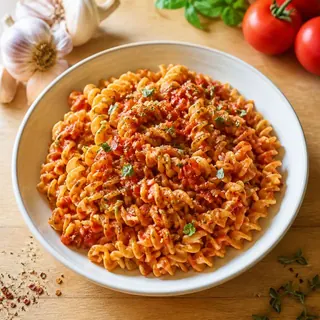
- Garnish pizzas for a spicy kick.
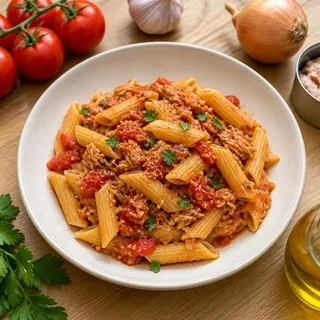
- Incorporate into pasta sauces.
- Sprinkle over roasted vegetables for added heat.
Chili Flake: questions
Are chili flakes the same as red pepper flakes?
Yes. Chili flakes, red pepper flakes and crushed red pepper are all names for dried, crushed red chillies with their seeds. The exact chilli varies by brand, so heat levels can differ.
How do I make a dish less spicy if I added too many chili flakes?
Capsaicin does not cook out, so dilute instead: add more of the base (tomatoes, stock, pasta), or stir in something fatty or creamy such as butter, cream, yogurt or coconut milk. A little sugar or acid also helps distract from the burn.
When should I add chili flakes to a dish?
For deep, even warmth, bloom them in oil at the start for 20–30 seconds over medium heat. For a sharper hit and visible flecks, sprinkle them on at the end. Either way, do not let them darken, or they turn bitter.
Are chili flakes hotter than cayenne?
Usually not. Typical red pepper flakes are a little milder than cayenne powder, and because they are coarse they release heat more slowly. A spoonful of cayenne will taste noticeably hotter than the same spoonful of flakes.
Do chili flakes go off?
They do not spoil in a dangerous way, but they lose colour and aroma over months. If they look brown and smell of nothing, replace them for better flavour.
Can I make my own chili flakes?
Yes. Dry whole red chillies in a low oven at about 80°C (175°F) until brittle, then pulse briefly in a spice grinder or crush in a bag with a rolling pin. Wear gloves and avoid breathing in the dust.
What does chili flake taste like?
Chili flakes add sharp heat while keeping the dish's core flavors intact. Its strongest notes are warm, pungent, with an aroma that is hot, peppery.
What goes well with chili flake?
Chili Flake pairs best with garlic, coriander seed, olive oil, lime, cumin. Garlic and chili flakes together add heat and pungency.
How do you use chili flake in cooking?
Managing Spice: adding later lets you control the capsaicin heat and avoids flavor loss.
How should you store chili flake?
Store in a cool, dark place in an airtight container.
What is the most common mistake with chili flake?
Too much capsaicin overwhelms.
 Garlic
 Olive oil
 Smoked Paprika
 Paprika
 Cumin
 Oregano
 Jalapeño