Oregano
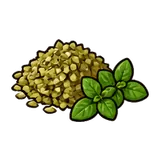
Oregano's earthy flavor is key in Mediterranean cooking.
Oregano is a hardy Mediterranean herb from the mint family. It tastes earthy, peppery and slightly bitter, with a warm, almost minty sharpness that can make your tongue tingle a little.
Cooks love oregano because it is the smell of pizza, Greek salad and souvlaki. It brings warmth to tomato sauces, roast lamb, grilled chicken and beans, and it is one of the few herbs that is often better dried than fresh.
Flavor profile
Aroma: minty, earthy
Good to know
Origin: Mediterranean
Forms: fresh, dried
Season: Dried oregano is available year-round; fresh oregano is at its best in summer, just before it flowers.
Nutrition: Used in small amounts, so it adds flavour more than nutrition.
Storage: Keep dried oregano in an airtight jar in a cool, dark cupboard for up to a year, and replace it once it no longer smells strongly when rubbed. Wrap fresh oregano in damp paper towel and refrigerate for about a week. You can freeze fresh leaves in olive oil in ice-cube trays for up to 6 months, or hang sprigs to air-dry. Discard fresh oregano that turns slimy or black.
How to use oregano
Finishing Sauces
Add oregano at the end; heat breaks down thymol and carvacrol, dulling aroma.
Flavoring Meats
Sprinkle after cooking; volatile oils stand out on meat.
The science of oregano
- Oregano's punch comes from carvacrol, with smaller amounts of thymol. These warm, slightly medicinal phenols are what make oregano taste peppery and almost numbing on the tongue.
- Oregano's sturdy leaves keep much of their oil when dried, and drying concentrates it. That is why dried oregano is the classic choice for pizza, Greek salads and rubs.
- Rubbing dried oregano between your palms before adding it crushes the leaf and releases the oils, so you get more aroma from less herb.
- The compounds are fat-soluble and fairly heat-stable, so dried oregano can be bloomed in oil or simmered in tomato sauce. Fresh oregano's greener notes are more fragile and shine when added near the end.
- Mexican oregano comes from a different plant (Lippia graveolens). It is more citrusy and grassy, with less of the minty bite, which suits chillies, beans and salsas.
How to choose oregano
For dried oregano, look for whole or loosely crumbled green leaves that smell strong when crushed; dull, brown, dusty oregano is past its best. Greek oregano, often sold on the branch, is especially pungent. Fresh oregano should have firm, green leaves without wilting or black spots.

Substitutes for oregano
| Swap | Amount | What changes |
|---|---|---|
| Marjoram | use 1.5 times as much | A close, sweeter, gentler cousin; great in tomato sauces and with chicken. |
| Thyme | 1:1 | Shares thymol and works in roasts, stews and beans. |
| Italian seasoning | 1:1 | Usually contains oregano plus basil and thyme; ideal for pasta sauce and pizza. |
| Fresh oregano for dried | 1 tbsp fresh per 1 tsp dried | Fresh is milder and greener; add it later in cooking. |
What goes with oregano
- Feta. Oregano’s bitter notes emphasize feta’s tangy brine.
- Lamb Shoulder. Oregano's pungent oils stand up to lamb in Greek roasts.
- Tomato. The herby and slightly bitter taste of oregano cuts through tomato’s sweetness.
- Olive oil. Oregano's aroma shares a terpene with olive oil, creating harmony.
- Garlic. Oregano's herbal notes and garlic's pungency create a pizza base.
- Lemon. Lemon's acidity amplifies oregano's brightness in salads.
- Mozzarella. Oregano shares a green aroma family with mozzarella, making it less bland.
- Tomato Paste. Oregano's volatile oils add herbal complexity to tomato paste.
- Chicken thigh. Oregano's earthy, peppery oils flavor rich chicken thigh in Mediterranean cooking.
- Chili Flake. Oregano's earthy, peppery notes suit chili's heat in pizza and pasta.
Mistakes to avoid
- Adding early changes flavor profile due to heat.
- Too much can overpower masking other ingredients.
Ideas for tonight
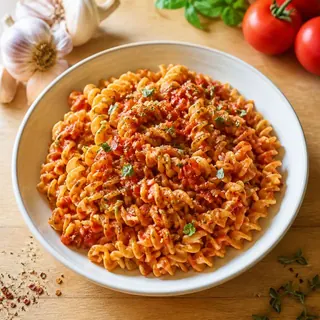
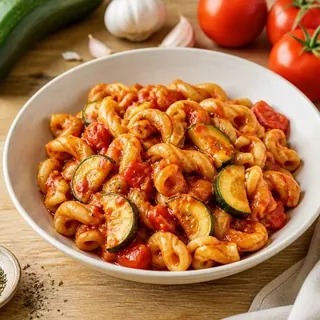
- Stir into pasta sauces.
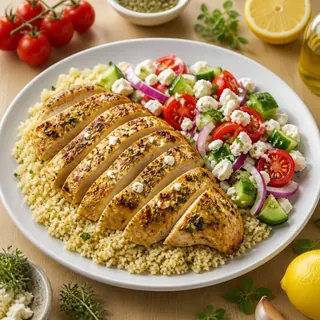
- Sprinkle on roasted chicken.
- Use in salad dressings for Mediterranean touch.
Oregano: questions
What does oregano taste like?
Oregano tastes earthy, peppery and slightly bitter, with a warm, minty edge. Greek oregano is especially bold, while Mexican oregano is more citrusy and grassy.
Is dried oregano better than fresh?
For many dishes, yes. Oregano's oils survive drying well and become more concentrated, so dried oregano is the classic choice for pizza, tomato sauce and Greek salad. Fresh oregano is milder and greener, nice scattered over grilled meat or vegetables.
What is the difference between oregano and marjoram?
They are close relatives. Marjoram is sweeter, softer and more floral, while oregano is sharper and more peppery. You can swap them, using a bit more marjoram than oregano.
Is Mexican oregano the same as regular oregano?
No. Mexican oregano comes from a different plant with a citrusy, grassy taste. It suits chilli, beans and salsas, while Mediterranean oregano suits tomato sauces, lamb and feta.
When should I add oregano to a dish?
Dried oregano can go in early, bloomed in oil or simmered in a sauce. Fresh oregano is best added near the end or scattered over finished food, since its fresher notes fade with long cooking.
What can I use instead of oregano?
Marjoram is the closest match. Thyme, Italian seasoning or a mix of basil and thyme also work in tomato dishes and roasts.
What goes well with oregano?
Oregano pairs best with feta, lamb shoulder, tomato, olive oil, garlic. Oregano’s bitter notes emphasize feta’s tangy brine.
How do you use oregano in cooking?
Finishing Sauces: add oregano at the end; heat breaks down thymol and carvacrol, dulling aroma.
How should you store oregano?
Store dried oregano in an airtight container in a cool, dry place; fresh can be refrigerated.
What is the most common mistake with oregano?
Adding early changes flavor profile due to heat.
 Tomato
 Feta
 Olive
 Lamb Shoulder
 Garlic
 Thyme
 Basil
 Mozzarella